
Vibepedia

DJing: The Art of the Mix | Vibepedia

Cultural Cornerstone Technological Innovator Live Performance
DJing: The Art of the Mix | Vibepedia

DJing is the practice of playing recorded music for an audience, a craft that has evolved dramatically since its inception. At its core, it's about selecting…

Contents

  1. 🎧 What is DJing: The Art of the Mix?
  2. 📍 Who is DJing For?
  3. ✨ The Core Elements of a Mix
  4. 🎛️ Essential Gear & Technology
  5. 🎶 Genres and Styles
  6. 📈 The Evolution of DJing
  7. 🏆 Notable DJs & Pioneers
  8. 🗣️ Debates in the DJ World
  9. 💡 Tips for Aspiring DJs
  10. 🌐 Where to Experience Live DJ Sets
  11. 🚀 The Future of DJing
  12. Frequently Asked Questions
  13. Related Topics

Overview

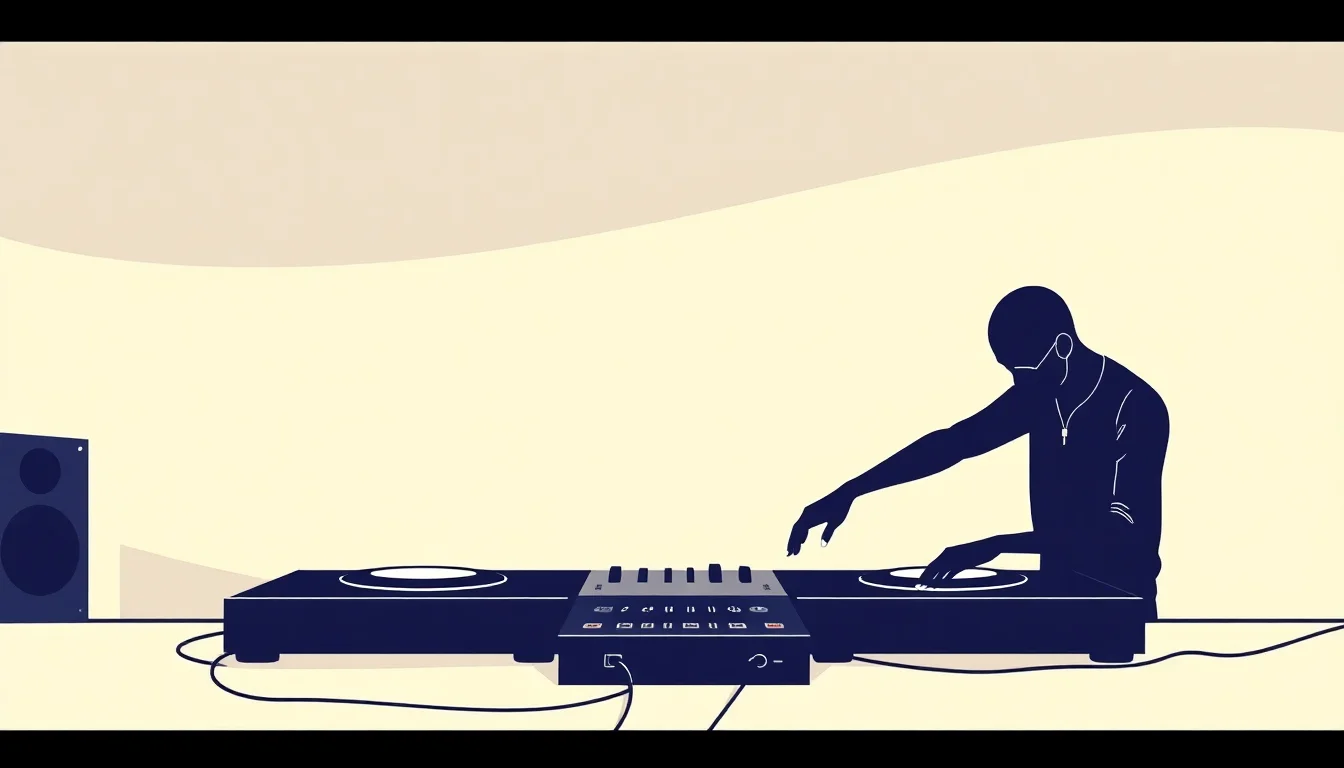
DJing, at its heart, is the art of selecting and playing recorded music for an audience, but the true magic lies in the 'mix.' This isn't just about hitting play; it's about seamlessly blending tracks, creating a continuous flow of sound that evokes emotion and drives energy. From the earliest radio DJs spinning vinyl to today's digital maestros orchestrating complex sets with controllers and laptops, the core mission remains: to curate a sonic journey. Whether you're a radio jockey broadcasting to millions or a club disc jockey commanding a dancefloor, the ability to read a crowd and deliver the right vibe is paramount. The term 'disc jockey' itself, originating from the days of vinyl DJing, now encompasses a vast spectrum of technologies and performance styles.

📍 Who is DJing For?

DJing is for anyone with a passion for music and a desire to share it. It's for the party starter who thrives on seeing people dance, the music curator who loves digging for hidden gems, and the technical innovator who enjoys mastering complex equipment. Aspiring DJs can range from hobbyists creating mixes for friends to professionals aiming for international fame. The barrier to entry has never been lower, thanks to accessible digital tools, but achieving mastery requires dedication, a deep understanding of music theory, and an innate sense of rhythm. It's a path for the dedicated, the curious, and the rhythmically inclined.

✨ The Core Elements of a Mix

The essence of a compelling DJ mix lies in several key elements. beatmatching is the foundational skill, ensuring tracks align rhythmically so transitions are smooth. phrasing involves aligning musical structures (like intros, verses, and choruses) for natural-sounding blends. EQing and gain staging are crucial for managing frequencies and volume levels, preventing clashes and ensuring clarity. Beyond technical prowess, track selection is king; a DJ must possess an encyclopedic knowledge of music and the intuition to choose tracks that build energy, tell a story, or evoke a specific mood. The ultimate goal is to create a cohesive sonic experience that transcends individual songs.

🎛️ Essential Gear & Technology

The technology behind DJing has undergone a dramatic transformation. While turntablists still champion the tactile control of vinyl records and CDJs, digital DJing now dominates. DJ controllers, which connect to laptops running DJ software like Serato DJ Pro or Rekordbox, offer a vast array of features for mixing, effects, and track management. Standalone media players and even smartphones can now be used for DJing. For those starting out, a basic controller and a laptop are often sufficient, but as skills advance, DJs might invest in more sophisticated setups, including mixers, effects units, and multi-track recorders.

🎶 Genres and Styles

The beauty of DJing is its adaptability across virtually every musical genre. From the pulsating beats of techno and house music in underground clubs to the chart-topping hits spun by mobile DJs at weddings, the principles remain. Hip-hop DJs are renowned for their scratching and turntablism techniques, while open-format DJs seamlessly blend disparate styles. Whether you're drawn to the intricate rhythms of drum and bass, the soulful melodies of disco, or the raw energy of rock music, there's a DJing approach that fits. Understanding genre conventions and audience expectations is key to crafting an effective set.

📈 The Evolution of DJing

DJing's journey began with radio broadcasters like Al Jarvis and Martin Block in the 1930s, who were among the first to use the term 'disc jockey.' The post-war era saw the rise of mobile DJs catering to private parties, while the 1970s birthed the club DJ culture in New York, with pioneers like Francis Grasso developing beatmatching techniques. The advent of hip-hop in the Bronx saw DJ Kool Herc and Grandmaster Flash revolutionize the art with turntablism and sampling. The digital revolution of the late 20th and early 21st centuries, with the introduction of CDJs and DJ software, democratized the craft, making it more accessible than ever before.

🏆 Notable DJs & Pioneers

The pantheon of influential DJs is vast and varied. Francis Grasso, often hailed as the 'father of the modern DJ,' pioneered beatmatching and smooth transitions in the late 1960s and early 70s. DJ Kool Herc is widely credited with originating hip-hop music in the Bronx, using two turntables to extend breaks. Grandmaster Flash refined turntablism techniques, developing the 'quick mix theory.' In the electronic music scene, figures like Carl Cox and Sasha & John Digweed have achieved legendary status for their marathon sets and innovative mixing. Each has left an indelible mark on the culture and technology of DJing.

🗣️ Debates in the DJ World

The DJing world is rife with ongoing debates. A significant one revolves around the authenticity of digital DJing versus vinyl DJing. While some purists argue that vinyl offers a superior tactile experience and sonic quality, digital setups provide unparalleled flexibility and control. Another point of contention is the role of DJ software and sync buttons; critics argue they can diminish the skill required for beatmatching, while proponents highlight how they allow DJs to focus more on track selection and performance. The debate over whether DJs should be seen as musicians or curators also continues, with many arguing for a blend of both.

💡 Tips for Aspiring DJs

For aspiring DJs, the journey begins with immersion. Listen critically to mixes from DJs you admire, paying attention to their track selection, transitions, and energy flow. Invest in a beginner-friendly DJ controller and DJ software – many offer free trials. Practice consistently, focusing on mastering beatmatching and phrasing manually before relying on sync. Build a diverse music library across genres you love. Start playing for friends, at house parties, or even online via streaming platforms. Don't be afraid to experiment and develop your unique style. Networking with other DJs and attending DJ workshops can also provide invaluable insights and connections.

🌐 Where to Experience Live DJ Sets

Experiencing live DJ sets is crucial for any aspiring or seasoned DJ. Major cities worldwide host vibrant club scenes, from the legendary warehouses of Berlin to the intimate lounges of London. Look for residencies at local clubs, as these often showcase talented DJs honing their craft. Festivals like Tomorrowland, Glastonbury, and Ultra Music Festival feature massive lineups across various genres. Many DJs also host online radio shows or stream live sets on platforms like Twitch and YouTube, offering accessible ways to witness their artistry. Attending DJ battles can also provide a raw, competitive glimpse into high-level performance.

🚀 The Future of DJing

The future of DJing is likely to be shaped by further technological integration and evolving performance art. Expect more AI-assisted tools that can help with track selection, harmonic mixing, and even real-time remixing, though the debate over their role will intensify. Augmented reality (AR) and virtual reality (VR) could offer entirely new ways to experience DJ sets, both for performers and audiences. We might also see a resurgence of more experimental, hardware-focused approaches as a counter-movement to pure digital control. Ultimately, the DJ's role as a storyteller and vibe curator will remain, adapting to whatever new tools and platforms emerge, ensuring the art of the mix continues to evolve.

Key Facts

Year
1943
Origin
United States
Category
Music & Performance
Type
Activity

Frequently Asked Questions

What's the difference between a DJ and a producer?

A DJ primarily selects and plays pre-recorded music for an audience, focusing on mixing and curation. A music producer, on the other hand, creates original music, often involving composition, arrangement, recording, and mixing in a studio. While many DJs are also producers, and vice versa, their core functions are distinct. A DJ's performance is live and reactive to the audience, whereas production is typically a studio-based creative process.

Is it still necessary to learn beatmatching by ear?

While sync buttons on DJ software can automatically match beats, learning beatmatching by ear is still highly recommended. It provides a deeper understanding of rhythm and timing, which is crucial for developing advanced mixing techniques and musicality. Many experienced DJs advocate for mastering manual beatmatching first, as it builds a stronger foundation and allows for more creative control, even when using sync features.

What's the best DJ software for beginners?

For beginners, Serato DJ Lite, Rekordbox (which comes with Pioneer DJ hardware), and VirtualDJ are excellent starting points. Serato DJ Lite and VirtualDJ often come bundled with entry-level controllers and offer robust features for learning the basics. Rekordbox is particularly valuable if you plan to use Pioneer DJ equipment, as it's their proprietary software and allows for seamless library management and performance.

How important is track selection in DJing?

Track selection is arguably the most critical element of DJing. A DJ can have perfect technical skills, but if they choose the wrong songs, the mix will fail. Great DJs possess an extensive music library and the intuition to select tracks that fit the mood, energy level, and audience. It's about telling a story through music, building anticipation, and creating memorable moments for listeners.

Can I DJ with just a laptop and no controller?

Yes, it's possible to DJ with just a laptop and DJ software, especially for casual mixing or practicing. However, a dedicated DJ controller significantly enhances the experience by providing physical controls like jog wheels, faders, and buttons that mimic traditional DJ hardware. This tactile feedback is essential for developing proper mixing technique and performing live sets effectively.

What is the difference between a club DJ and a mobile DJ?

Club DJs typically specialize in a specific genre (like house or techno) and perform in nightclubs, focusing on creating a continuous, high-energy atmosphere for dancing. Mobile DJs, on the other hand, cater to private events like weddings, parties, and corporate functions. They often play a wider variety of music genres to suit diverse crowds and must be adept at MCing and managing different event dynamics.