
Songwriting | Vibepedia
Songwriting is the intricate process of crafting lyrics, melodies, and harmonies to create songs that resonate emotionally and culturally. It involves various…
Contents
Overview
Songwriting is the intricate process of crafting lyrics, melodies, and harmonies to create songs that resonate emotionally and culturally. It involves various techniques, from lyrical storytelling to melodic development, and can be influenced by genres, personal experiences, and cultural contexts. Notable songwriters like Bob Dylan and Taylor Swift have shaped the landscape of music with their unique styles and storytelling abilities. The evolution of songwriting reflects broader trends in society, technology, and the music industry, raising questions about authenticity, collaboration, and the future of musical expression.
🎵 What is Songwriting?
Songwriting is the art and craft of creating original songs, encompassing both the musical composition and the lyrical content. It's the engine room of the music industry, where ideas are transformed into sonic experiences that resonate with millions. Whether you're a solo artist pouring your heart out or part of a team crafting the next chart-topper, songwriting is about building emotional connections through sound and words. It's a discipline that demands creativity, technical skill, and a keen understanding of human emotion, making it a cornerstone of popular music and beyond.
✍️ The Craft: Lyrics vs. Melody
At its core, songwriting often bifurcates into two primary domains: lyricism and melody. A lyricist focuses on the narrative, imagery, and emotional arc of a song, crafting words that tell a story or evoke a feeling. Conversely, a composer or melody writer builds the musical framework – the chords, harmonies, and vocal lines that give the lyrics their sonic life. While some songwriters excel at both, the distinction highlights the specialized skills involved, from the poetic sensibilities of a wordsmith to the harmonic intuition of a musician. Understanding this division is key to appreciating the diverse talents within the songwriting world.
🤝 Collaboration: The Modern Hit Factory
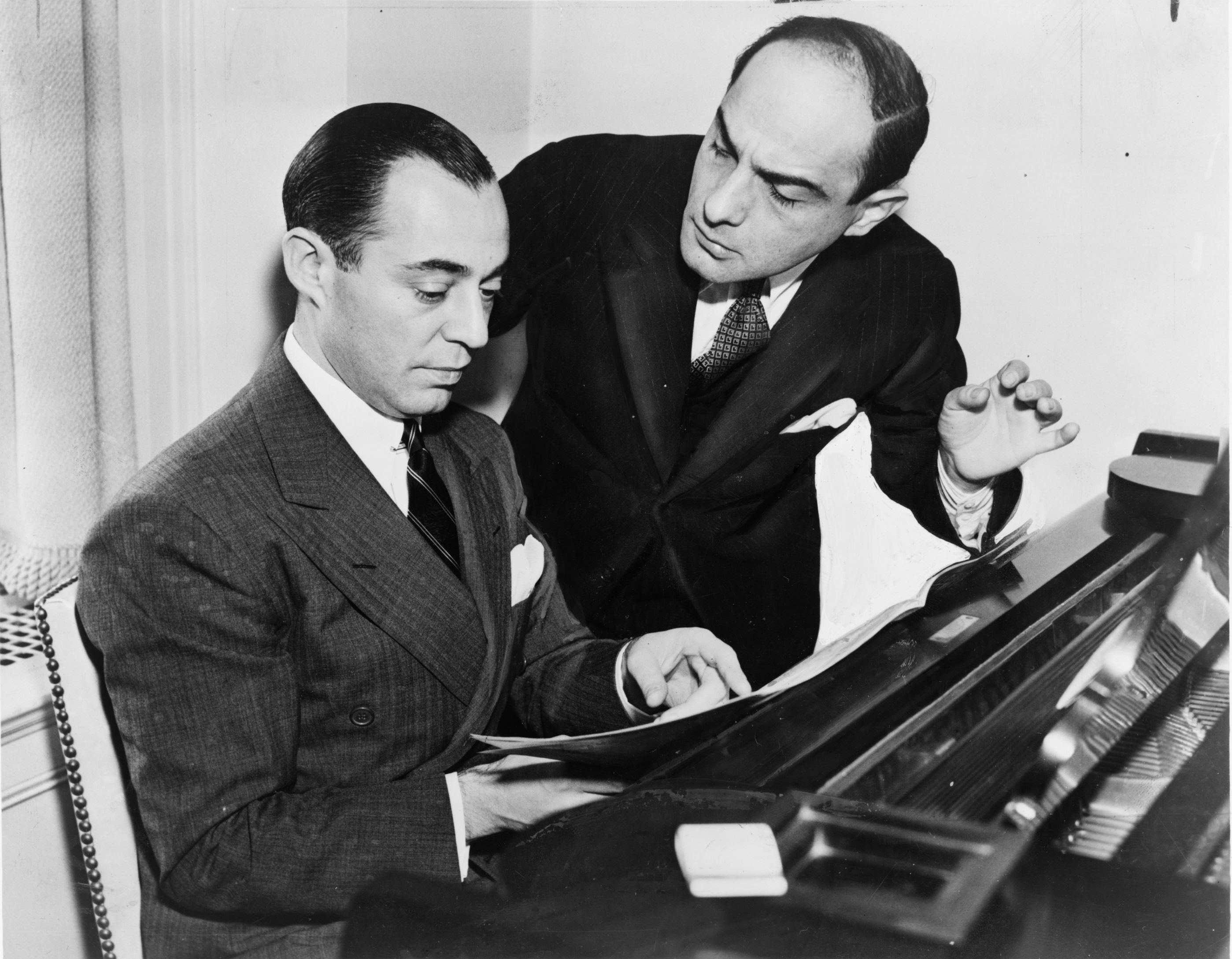
The modern music industry, particularly in pop music, often thrives on collaboration. It's common for songwriters to team up, leveraging individual strengths to create a more potent final product. A lyricist might partner with a composer who specializes in infectious melodies, or a producer might bring in a team to flesh out a demo. This collaborative model, exemplified by the legendary Brill Building songwriters of the 1960s, allows for a rapid iteration of ideas and a broader range of creative input. It’s a testament to the idea that multiple minds can often forge a stronger artistic vision.
📈 Commercial Pressures & The Hit Machine
The relentless pursuit of hits in the commercial music sphere introduces significant pressures. Songwriters, especially those employed by music publishers, are often tasked with creating commercially viable tracks that appeal to a broad audience. This can lead to formulaic approaches, where established patterns and trends are prioritized over radical innovation. The demand for constant output means that songwriting can become a factory-like process, with songwriters working under tight deadlines to deliver songs that might chart. This dynamic raises questions about artistic integrity versus commercial success, a perennial debate in the industry.
📚 Historical Roots & Evolution
The history of songwriting is as old as music itself, evolving from oral traditions and folk ballads to the complex studio productions of today. Early songwriters were often anonymous storytellers, their songs passed down through generations. The advent of sheet music and later, recording technology, transformed songwriting into a profession. Figures like Robert Johnson in the blues or the Tin Pan Alley composers of the early 20th century laid the groundwork for modern songwriting practices. The evolution reflects broader societal and technological shifts, from the rise of the singer-songwriter movement to the digital sampling techniques of hip-hop.
💡 Tools of the Trade
While inspiration can strike anywhere, songwriters utilize a range of tools to capture and refine their ideas. These can include simple notebooks and voice recorders for capturing fleeting lyrical or melodic fragments, to sophisticated digital audio workstations (DAWs) like Ableton Live or Logic Pro for arranging and producing full tracks. Instruments like guitars and pianos are fundamental for developing chord progressions and melodies. Understanding these tools, from the analog to the digital, is crucial for any aspiring songwriter looking to bring their compositions to life.
🌟 Notable Songwriters & Their Impact
The pantheon of songwriting is vast, featuring individuals whose work has defined genres and shaped cultural landscapes. Carole King, a prolific writer from the Brill Building era, transitioned into a celebrated recording artist, her songs like 'You've Got a Friend' becoming timeless anthems. Paul McCartney and John Lennon of The Beatles, often cited as one of the most successful songwriting partnerships in history, demonstrated an unparalleled ability to craft diverse and enduring hits. More contemporary figures like Taylor Swift have also proven their mettle, not only as performers but as astute lyricists and composers who connect deeply with their audience.
🚀 The Future of Songwriting
The future of songwriting is likely to be shaped by advancements in artificial intelligence and evolving distribution platforms. AI tools are already being explored for generating musical ideas and even complete compositions, raising profound questions about authorship and creativity. Simultaneously, the rise of streaming services and new media formats like TikTok continues to influence song structure and lyrical themes, favoring shorter, more immediate content. Songwriters will need to adapt to these technological shifts and changing audience consumption habits, potentially leading to new forms of musical expression and collaboration.
Key Facts
- Year
- 2023
- Origin
- Global
- Category
- Music
- Type
- Concept
Frequently Asked Questions
What's the difference between a songwriter and a composer?
While the terms are often used interchangeably, a songwriter typically creates both lyrics and music for a song, especially in popular music genres. A composer more often refers to someone who writes instrumental music or the musical score for films and classical pieces. In practice, a songwriter who focuses primarily on the musical aspect might be called a composer, and a songwriter focused on words is a lyricist. The distinction is more about specialization than a strict rule.
How much do songwriters typically earn?
Earnings for songwriters vary wildly, depending on their success, whether they are signed to a publisher, and the revenue streams generated by their songs (royalties from sales, streaming, radio play, sync licenses). A successful songwriter can earn a comfortable living, while many struggle. Royalties are typically split between the songwriter, publisher, and any co-writers. Many songwriters supplement their income with live performance or by teaching.
Is it better to write lyrics first or music first?
There's no single 'right' way to write a song. Some songwriters find it easier to start with a lyrical idea, a story, or a phrase, and then build music around it. Others begin with a melody, a chord progression, or a rhythmic idea, and then find words that fit the mood and structure. The most effective approach often depends on the individual songwriter's strengths and the specific song's inspiration. Many successful songs come from a combination of both happening simultaneously.
How important is music theory for songwriting?
While you can write a hit song without formal music theory training, understanding its principles can significantly enhance your songwriting capabilities. Theory provides a framework for understanding harmony, melody, and structure, allowing you to make more informed creative choices and explore new possibilities. It helps in resolving harmonic tensions, crafting compelling melodies, and understanding why certain musical combinations sound pleasing. Many great songwriters have a strong intuitive grasp of theory, even if they can't name every chord.
What is a music publisher's role in songwriting?
A music publisher acts as a business partner for songwriters and composers. Their primary role is to administer the copyright of songs, ensuring songwriters get paid for the use of their work. This includes collecting royalties from various sources like radio play, streaming, public performances, and mechanical reproductions. Publishers also actively 'pitch' songs to artists, film/TV supervisors, and other potential users, aiming to secure placements and maximize the song's exposure and revenue. They often provide advances and development support to their writers.
Can I copyright my song?
Yes, in most countries, copyright protection is automatic the moment you create an original work of authorship, including a song. However, formally registering your copyright with the relevant government office (like the U.S. Copyright Office) provides stronger legal standing and is often a prerequisite for filing an infringement lawsuit. Registration makes your ownership public and provides a certificate of registration, which is valuable evidence in legal disputes.