
Contents
- 🐚 What Exactly Are Abalone Shells?
- 🌍 Where Do Abalone Shells Come From?
- 💎 The Iridescent Appeal: Why the Shine?
- ⚖️ Legalities & Ethical Sourcing
- 🛠️ Uses: From Art to Industry
- 💰 Market Value & Collectors
- ⚠️ Potential Pitfalls & What to Watch For
- ✨ Abalone Shells in Culture & Spirituality
- Frequently Asked Questions
- Related Topics
Overview
Abalone shells, the iridescent exoskeletons of marine gastropod mollusks, are prized for their striking beauty and diverse applications. Historically, they've been used by Indigenous peoples for tools, adornments, and ceremonial objects, reflecting a deep spiritual and practical connection to the ocean. Today, their vibrant nacre, or mother-of-pearl, makes them highly sought after in jewelry, inlay work, and decorative arts, commanding significant market value. Beyond aesthetics, abalone meat is a delicacy in many cultures, though overfishing has led to conservation concerns and strict regulations in various regions. Understanding the provenance and sustainability of abalone shells is crucial for both consumers and collectors.
🐚 What Exactly Are Abalone Shells?
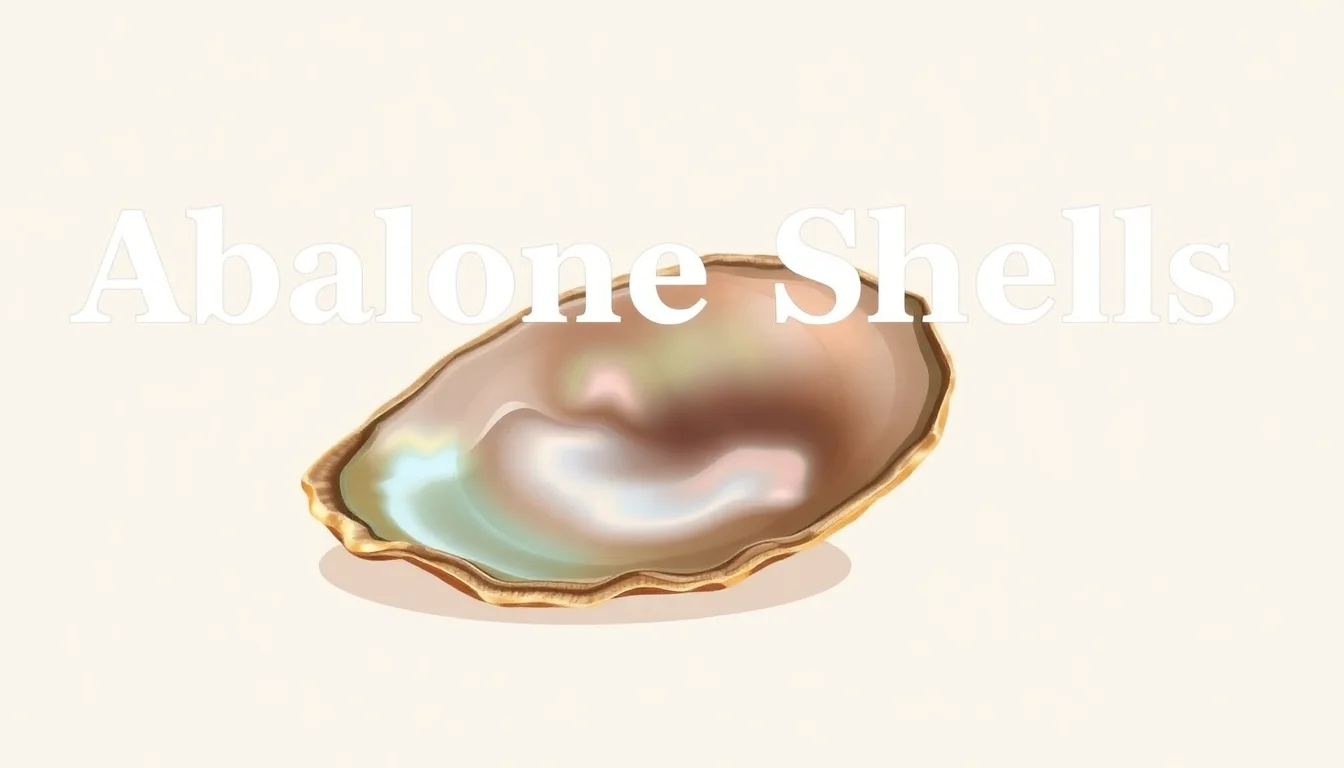
Abalone shells are the external coverings of marine gastropod mollusks belonging to the family Haliotidae. These aren't your average seashells; they are renowned for their striking, iridescent inner surfaces, a characteristic that has captivated humans for millennia. Each shell is a unique masterpiece of natural engineering, providing protection for the soft-bodied abalone while simultaneously creating a dazzling display of color. Understanding the biology behind these creatures is key to appreciating the shells they leave behind, forming a vital link in marine ecosystems.
🌍 Where Do Abalone Shells Come From?
The primary source of abalone shells is the Haliotis genus, found in temperate coastal waters worldwide. Major commercial harvesting areas include the coasts of California, Mexico, Australia, South Africa, and parts of Asia. Different species yield shells with varying colorations and patterns, influencing their desirability for specific applications. The distribution of these mollusks is intrinsically linked to oceanographic conditions, making them sensitive indicators of environmental health.
💎 The Iridescent Appeal: Why the Shine?
The mesmerizing iridescence, known as nacre or mother-of-pearl, is a result of microscopic layers of calcium carbonate crystals deposited by the abalone. These layers diffract light, creating the shimmering, rainbow-like effect. The specific hues and intensity of the iridescence depend on the abalone species, its diet, and water temperature. This natural phenomenon is so remarkable that it has inspired countless artistic creations and jewelry designs.
⚖️ Legalities & Ethical Sourcing
The harvesting and trade of abalone shells are heavily regulated due to overfishing and conservation concerns. Many regions have strict quotas, licensing requirements, and seasonal closures. It's crucial to be aware of these regulations to ensure legal and ethical sourcing. Purchasing shells from reputable dealers who can verify their origin is paramount, especially when dealing with species listed under CITES (Convention on International Trade in Endangered Species of Wild Fauna and Flora).
🛠️ Uses: From Art to Industry
Historically and presently, abalone shells serve a multitude of purposes. They are extensively used in jewelry making, inlay work for musical instruments, decorative art, and as decorative elements in fashion and home decor. Industrially, the nacre has been explored for its potential in biomaterials research due to its strength and unique optical properties. Even the meat of the abalone is considered a delicacy in many cultures, though this listing focuses on the shell.
💰 Market Value & Collectors
The market value of abalone shells varies significantly based on size, quality, species, and the intensity of iridescence. High-grade, large shells with vibrant colors can command substantial prices, making them sought after by collectors and artisans. Rare species or shells with unusual patterns can fetch even higher amounts. Understanding these market dynamics is essential for anyone looking to buy or sell these natural treasures, with some specimens reaching hundreds of dollars on the open market.
⚠️ Potential Pitfalls & What to Watch For
When acquiring abalone shells, be wary of artificially enhanced or dyed shells that mimic natural iridescence. Poorly cleaned shells can retain unpleasant odors. Furthermore, ensure that any shell you purchase is legally obtained; possessing shells from protected species or those harvested illegally can lead to significant fines. Always inquire about the origin and species of the shell to avoid inadvertently supporting unsustainable practices or illegal wildlife trade.
✨ Abalone Shells in Culture & Spirituality
Across various cultures, abalone shells hold deep spiritual and symbolic meaning. Indigenous peoples in North America, for instance, have used them for centuries in ceremonial objects and as offerings. They are often associated with water, the moon, and feminine energy, believed to possess healing properties and promote emotional balance. Their use in smudging rituals, particularly by Native American tribes, is well-documented, symbolizing purification and connection to the divine.
Key Facts
- Year
- Prehistoric - Present
- Origin
- Global Coastal Regions
- Category
- Natural Resources & Cultural Artifacts
- Type
- Resource
Frequently Asked Questions
Are all abalone shells iridescent?
While all abalone shells possess nacre, the degree of iridescence varies greatly between species and even individual mollusks. Some shells exhibit a duller, more muted sheen, while others display vibrant, multi-colored displays. The intensity is influenced by genetics, diet, and environmental factors, making some shells far more prized for their visual appeal.
How can I tell if an abalone shell is real?
Real abalone shells have a distinctive, layered iridescence that shifts with the light. Artificial shells often have a painted or coated surface that looks flat or has a uniform, unnatural sheen. Gently touching the surface can also reveal differences; natural nacre has a unique texture that's hard to replicate. Reputable sellers will also provide details about the species and origin.
Are abalone shells endangered?
Several species of abalone are indeed endangered or threatened due to overfishing, pollution, and disease. For example, the Pinto abalone in the Pacific Northwest is critically endangered. This is why legal and ethical sourcing is so critical. Always check local and international regulations before purchasing or collecting shells.
Can I collect abalone shells on the beach?
Regulations vary widely by location. In many areas, collecting shells from living abalone is illegal and unethical. If collecting empty shells, be sure to check local laws regarding beachcombing and shell collecting. Some protected areas may prohibit any removal of natural items. It's always best to err on the side of caution and respect local ordinances.
What is the difference between abalone shell and mother-of-pearl?
Abalone shell is a specific type of mother-of-pearl. Mother-of-pearl is the common term for the iridescent inner layer of any mollusk shell, but abalone shells are particularly famous for their exceptionally vibrant and varied nacre. So, all abalone shells are mother-of-pearl, but not all mother-of-pearl comes from abalone.
How are abalone shells cleaned?
Empty abalone shells found naturally are often cleaned by soaking them in a mild bleach solution or a mixture of water and vinegar to remove any remaining organic matter and odors. Gentle scrubbing with a soft brush can then remove any remaining debris. For shells intended for jewelry or inlay, more meticulous cleaning and polishing might be required.