
Contents
Overview
The Duchess of Bedford began requesting a tray of tea, bread, butter, and cakes to be brought to her room in the late afternoon at Woburn Abbey, her country estate. This private indulgence soon evolved into a social gathering, with the Duchess inviting friends to join her. The practice quickly gained traction among the fashionable set, transforming from a personal remedy for hunger pangs into a fashionable social event. Early proponents like Isabella Beeton documented the evolving rituals in her influential The Book of Household Management, solidifying its place in domestic etiquette. This nascent tradition was a stark contrast to the more robust high tea, which was a more substantial meal enjoyed by the working classes.
⚙️ How It Works
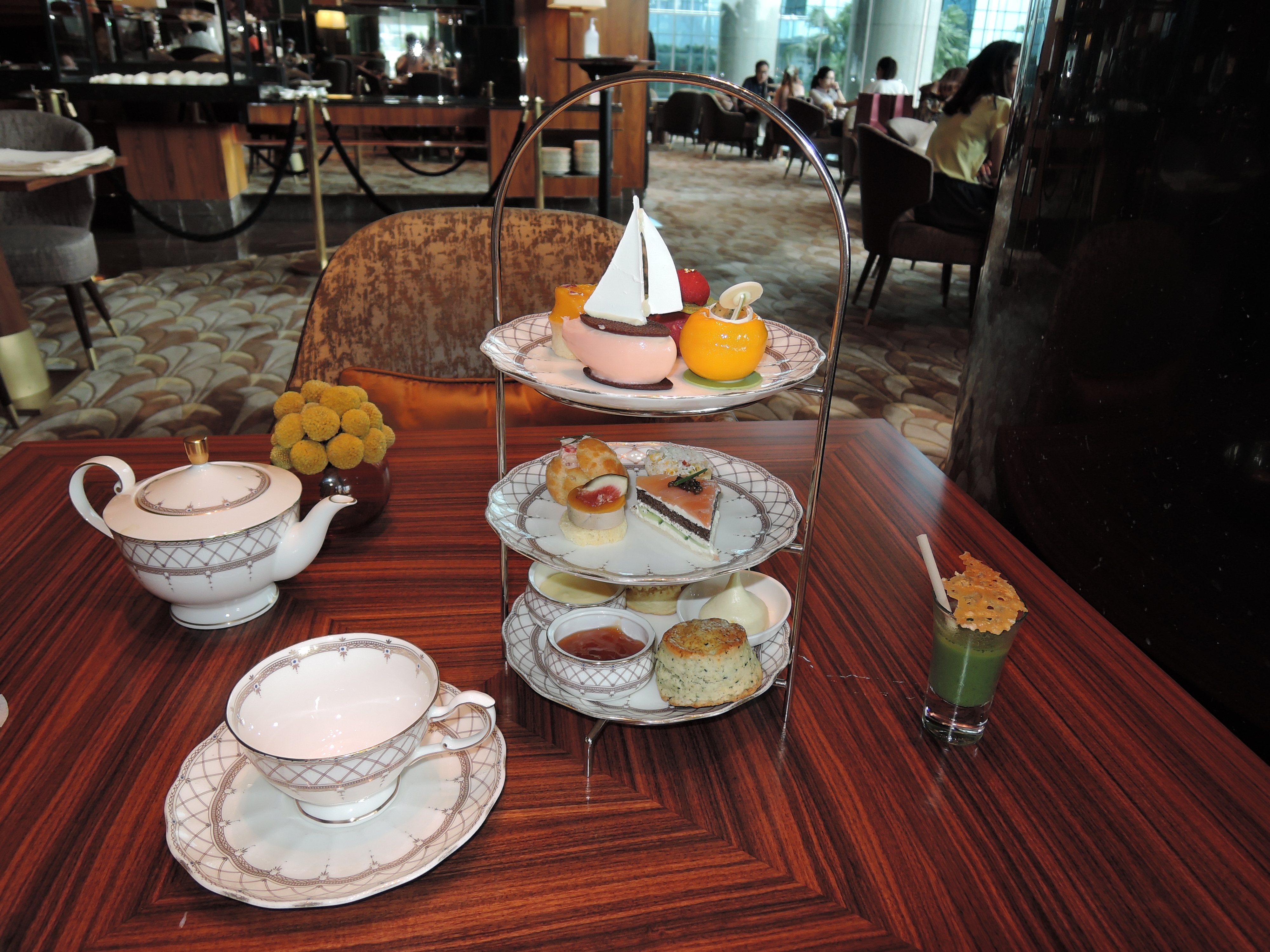
The mechanics of a traditional afternoon tea are meticulously orchestrated, centered around a three-tiered stand. The base layer is reserved for delicate finger sandwiches, typically with crusts removed, featuring fillings like cucumber, smoked salmon, egg mayonnaise, and coronation chicken. The middle tier showcases freshly baked scones, served warm with clotted cream and preserves – usually strawberry jam. The top tier is dedicated to a selection of miniature cakes, pastries, and tarts, offering a sweet finale. The entire ensemble is accompanied by a choice of fine teas, brewed to perfection and served with milk and sugar. The order of consumption is generally from bottom to top: sandwiches first, then scones, and finally the sweets, though this order is subject to personal preference and regional variations.
📊 Key Facts & Numbers
Globally, the afternoon tea market is substantial, with luxury hotels alone serving hundreds of thousands of covers annually. The average cost for a classic afternoon tea in a reputable London hotel can range from £50 to £90 per person, with premium packages including champagne pushing prices upwards of £100. Globally, the demand for this experience has seen a steady increase of approximately 5-7% year-over-year, particularly in markets like Asia and North America, where it's perceived as an authentic taste of British heritage. Over 10 million cups of tea are estimated to be consumed daily in the UK, a significant portion of which fuels the afternoon tea ritual.
👥 Key People & Organizations
Beyond the Duchess of Bedford, key figures in the popularization of afternoon tea include Isabella Beeton, whose comprehensive guides provided a blueprint for domestic life and entertaining in the Victorian era. The grand hotels of London, such as The Ritz London and Claridge's, became instrumental in elevating afternoon tea into a luxurious, accessible experience for a wider, albeit still affluent, audience. The East India Company, through its historical monopoly on tea importation, played a foundational role in making tea itself a staple beverage in Britain, thus enabling the very existence of afternoon tea. More recently, celebrity chefs and restaurateurs like Yannick Alléno and Heston Blumenthal have reinterpreted the classic offering, introducing innovative twists and experimental flavors, further cementing its relevance.
🌍 Cultural Impact & Influence
Afternoon tea has transcended its origins to become a global symbol of British culture and refinement. It has influenced hospitality trends worldwide, with many international hotels and restaurants adopting their own versions of the ritual. The visual appeal of a meticulously arranged tiered stand has made it a perennial favorite on social media platforms like Instagram, contributing to its enduring popularity and aspirational status. The tradition has been depicted in numerous films and television series, such as Downton Abbey, reinforcing its association with elegance and a bygone era. This cultural resonance has transformed afternoon tea from a mere meal into an experience, often sought for celebrations, tourist attractions, and as a form of leisurely escapism.
⚡ Current State & Latest Developments
In 2024 and 2025, afternoon tea continues to thrive, adapting to contemporary tastes while retaining its core identity. Many establishments are offering themed afternoon teas, catering to specific interests like literary characters, seasonal events, or even pop culture phenomena. Vegan and gluten-free options are now standard offerings in most venues, reflecting a broader dietary consciousness. The rise of 'DIY' afternoon tea kits, delivered to homes, has also surged, particularly following the COVID-19 pandemic. Furthermore, there's a growing trend towards more casual, 'express' afternoon teas, designed for those with less time or a lighter appetite, demonstrating the tradition's flexibility. The focus remains on high-quality ingredients and an immersive experience, whether in a grand hotel or a quaint tearoom.
🤔 Controversies & Debates
The primary debate surrounding afternoon tea centers on authenticity versus innovation. Purists argue that any deviation from the classic sandwich-scone-pastry formula, or the use of non-traditional ingredients, dilutes the essence of the ritual. Conversely, proponents of innovation contend that adapting the tradition to modern palates and dietary needs is crucial for its survival and relevance. Another point of contention is the social exclusivity often associated with it; while intended as a social ritual, the cost can render it inaccessible to many. Some also question the environmental impact of elaborate presentations and the sourcing of ingredients. The debate between 'afternoon tea' and 'high tea' also persists, with confusion over which term denotes the more substantial meal, often linked to class distinctions.
🔮 Future Outlook & Predictions
The future of afternoon tea appears robust, driven by its inherent appeal as an experience-based offering. We can anticipate further diversification in themes and dietary accommodations, with more establishments catering to niche interests and specific dietary requirements. The integration of technology, such as augmented reality menus or interactive elements, might emerge in high-end venues. There's also potential for a greater emphasis on sustainability, with a focus on locally sourced ingredients and reduced waste. The 'express' or 'mini' afternoon tea is likely to grow, appealing to time-pressed consumers. Ultimately, afternoon tea is poised to remain a cherished ritual, continually reinventing itself to stay relevant in a dynamic culinary landscape, with projections indicating continued growth in the experiential dining sector.
💡 Practical Applications
Afternoon tea's practical applications extend beyond mere sustenance. It serves as a popular choice for special occasions like birthdays, anniversaries, and bridal showers, offering a celebratory yet relaxed atmosphere. It's a favored method for business meetings where a more informal and convivial setting is desired than a traditional boardroom. For tourists, it's an iconic cultural experience and a tangible way to engage with British heritage. Furthermore, many hotels and restaurants utilize afternoon tea as a revenue stream, attracting customers who might not otherwise dine with them, thereby increasing footfall and brand visibility. It also functions as a training ground for hospitality staff, honing skills in presentation, service, and culinary execution.
Key Facts
- Category
- culture
- Type
- topic