
Contents
Overview
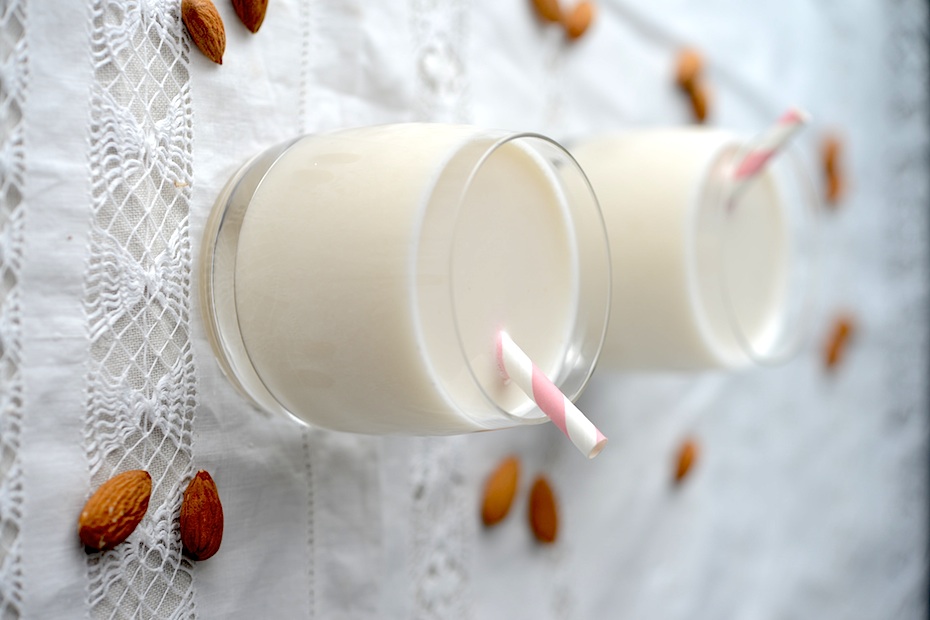
Almond milk is a plant-based beverage made from ground almonds and water, often fortified with vitamins and minerals. It has gained significant popularity as a dairy-free alternative to cow's milk, appealing to individuals with lactose intolerance, dairy allergies, or those following vegan or plant-based diets. The production process typically involves soaking almonds, blending them with water, and then straining the mixture to remove the pulp, resulting in a creamy, slightly nutty-flavored liquid. While it offers a lower calorie and fat content compared to whole milk, its nutritional profile can vary widely depending on the brand and whether it is sweetened or unsweetened, and if it's fortified. Its versatility in culinary applications, from smoothies and cereals to baking and cooking, has further cemented its place in modern kitchens. The growing demand for plant-based options has driven innovation in almond milk production, leading to a variety of flavors and formulations.
🌰 Origins and History
The history of almond milk is deeply rooted in the Middle East and Mediterranean regions, where almonds have been cultivated for millennia. Early forms of almond milk were likely created by simply grinding almonds with water, serving as a valuable source of nutrition and a dairy substitute, especially during religious fasting periods when animal products were forbidden. Monasteries in medieval Europe also played a role in preserving and spreading recipes for almond milk, often referring to it as 'butter of almonds.' Its use was primarily as a foodstuff and sometimes for medicinal purposes. The concept of almond milk as a widespread commercial beverage is a much more recent phenomenon, gaining traction in the late 20th and early 21st centuries with the rise of health consciousness and dietary alternatives.
🥛 Production Process
The commercial production of almond milk typically begins with high-quality almonds, which are soaked in water to soften them and facilitate blending. These softened almonds are then combined with fresh water in industrial blenders, creating a slurry. The mixture is then subjected to a filtration process, often using fine mesh screens or centrifuges, to separate the liquid almond milk from the almond pulp, also known as almond meal. This pulp can be repurposed for other food products. The resulting liquid is then pasteurized to ensure safety and extend shelf life. Finally, it is often fortified with vitamins and minerals, and sweeteners or flavorings may be added before packaging.
💪 Nutritional Profile
The nutritional content of almond milk can vary significantly between brands and formulations. Unsweetened almond milk is generally low in calories, often around 30-50 calories per cup, making it an attractive option for weight management. It is also typically low in carbohydrates and fat. However, it is naturally low in protein compared to cow's milk or soy milk. Many commercial almond milks are fortified with essential nutrients such as calcium, vitamin D, and vitamin E, which are crucial for bone health and immune function. Sweetened varieties will contain added sugars, increasing their calorie and carbohydrate count.
🍽️ Culinary Uses
Almond milk's mild, slightly nutty flavor and creamy texture make it incredibly versatile in the kitchen. It is a popular choice for breakfast cereals, oatmeal, and smoothies, providing a smooth base for blended fruits and vegetables. In baking, it can often be substituted for dairy milk in recipes for cakes, muffins, and pancakes, though the fat content may slightly alter the texture. It can also be used in savory dishes, such as creamy sauces, soups, and curries, adding a subtle richness without overpowering other flavors. Its ability to froth makes it a favored option for coffee beverages like lattes and cappuccinos.
🌱 Health Benefits and Considerations
For individuals who are lactose intolerant or have dairy allergies, almond milk offers a safe and palatable alternative. Its lower calorie and carbohydrate content can be beneficial for those managing diabetes or seeking to reduce their sugar intake, especially when choosing unsweetened versions. The presence of vitamin E, an antioxidant, is also a potential health benefit. However, it's important to note that almond milk is not a significant source of protein and may not be suitable as a primary milk substitute for infants or young children who require higher protein intake. Those with nut allergies should, of course, avoid it entirely.
🌍 Environmental Impact
The environmental footprint of almond milk production is a subject of ongoing discussion. Almond cultivation, particularly in regions like California, requires significant water resources, which can be a concern in drought-prone areas. However, when compared to the water usage and greenhouse gas emissions associated with dairy farming, almond milk often presents a more favorable environmental profile. Efforts are being made within the almond industry to adopt more sustainable farming practices, including water-efficient irrigation techniques and reduced pesticide use, to mitigate its environmental impact.
⚖️ Market Trends and Future
The market for plant-based milk alternatives, including almond milk, has experienced explosive growth in recent years, driven by increasing consumer awareness of health, environmental, and ethical concerns related to dairy. This has led to intense competition among brands and significant investment in product development. Future trends may include further innovation in flavor profiles, the development of almond milk with enhanced protein content, and a continued focus on sustainable sourcing and production methods. The demand for allergen-free options and specialized formulations is also expected to rise.
💡 Varieties and Flavors
Almond milk is available in a wide array of varieties to suit diverse preferences and dietary needs. The most common distinction is between sweetened and unsweetened versions, with unsweetened being the healthier choice for those monitoring sugar intake. Beyond that, consumers can find original, vanilla, chocolate, and even barista-style almond milks designed for optimal frothing. Some brands offer 'enhanced' versions fortified with additional vitamins and minerals, while others focus on organic or non-GMO ingredients. The choice often depends on the intended use and personal taste preferences.
Key Facts
- Year
- 2000
- Origin
- Middle East
- Category
- Food & Beverage
- Type
- topic
Frequently Asked Questions
Is almond milk good for weight loss?
Unsweetened almond milk is a low-calorie option, often containing fewer calories than cow's milk. This can make it a helpful choice for individuals aiming to reduce their calorie intake and manage their weight. However, it's important to choose unsweetened varieties, as sweetened versions can add significant sugar and calories to your diet.
Can people with nut allergies drink almond milk?
No, individuals with tree nut allergies, specifically to almonds, should strictly avoid almond milk. It is derived from almonds and can trigger severe allergic reactions. For those with nut allergies, other plant-based milk alternatives like soy milk, oat milk, or rice milk are generally safer options.
What is the difference between almond milk and dairy milk?
The primary difference lies in their origin: almond milk is plant-based, made from almonds and water, while dairy milk comes from cows. Nutritionally, dairy milk is typically higher in protein and fat, whereas unsweetened almond milk is lower in calories and carbohydrates. Almond milk is also naturally lactose-free and cholesterol-free.
How long does almond milk last?
Unopened, shelf-stable almond milk can last for several months, often past its 'best by' date, if stored in a cool, dry place. Once opened, it needs to be refrigerated and typically lasts for about 7-10 days. Always check the packaging for specific storage instructions and 'use by' dates.
Is almond milk a good source of protein?
Almond milk is generally not a significant source of protein. A typical serving contains only about 1 gram of protein, which is considerably less than cow's milk or soy milk. If you are looking for a plant-based milk alternative that is high in protein, soy milk or pea milk might be better choices.