
Contents
Overview
American classical music encompasses the art music traditions developed in the United States, distinct from its European origins yet deeply intertwined with global classical practices. It spans centuries, from early colonial adaptations of European forms to the bold experiments of the 20th and 21st centuries, reflecting the nation's diverse cultural landscape and historical shifts. Key figures like Charles Ives, Aaron Copland, and George Gershwin, alongside institutions such as the New York Philharmonic and The Juilliard School, have shaped its trajectory. While often characterized by formal structures and complex harmonies, American classical music has consistently absorbed influences from folk, jazz, and popular idioms, creating a unique and evolving sonic identity. Its impact resonates globally, influencing contemporary composers and performers worldwide, and continues to be a vibrant, debated, and evolving field.
🎵 Origins & History
American classical music's lineage traces back to the colonial era, where European settlers brought their musical traditions, primarily from Britain and Germany. The 19th century saw a greater influx of European-trained musicians and composers, who established more formal European conservatory models. However, the late 19th and early 20th centuries marked a crucial turning point, with composers like Charles Ives (1874-1954) daring to incorporate American vernacular music, jazz, and folk elements into complex, avant-garde compositions, challenging the very definition of classical music in the U.S. This period also saw the rise of composers like George Gershwin (1898-1937), who masterfully blended jazz and classical idioms in works such as "Rhapsody in Blue" (1924).
⚙️ How It Works
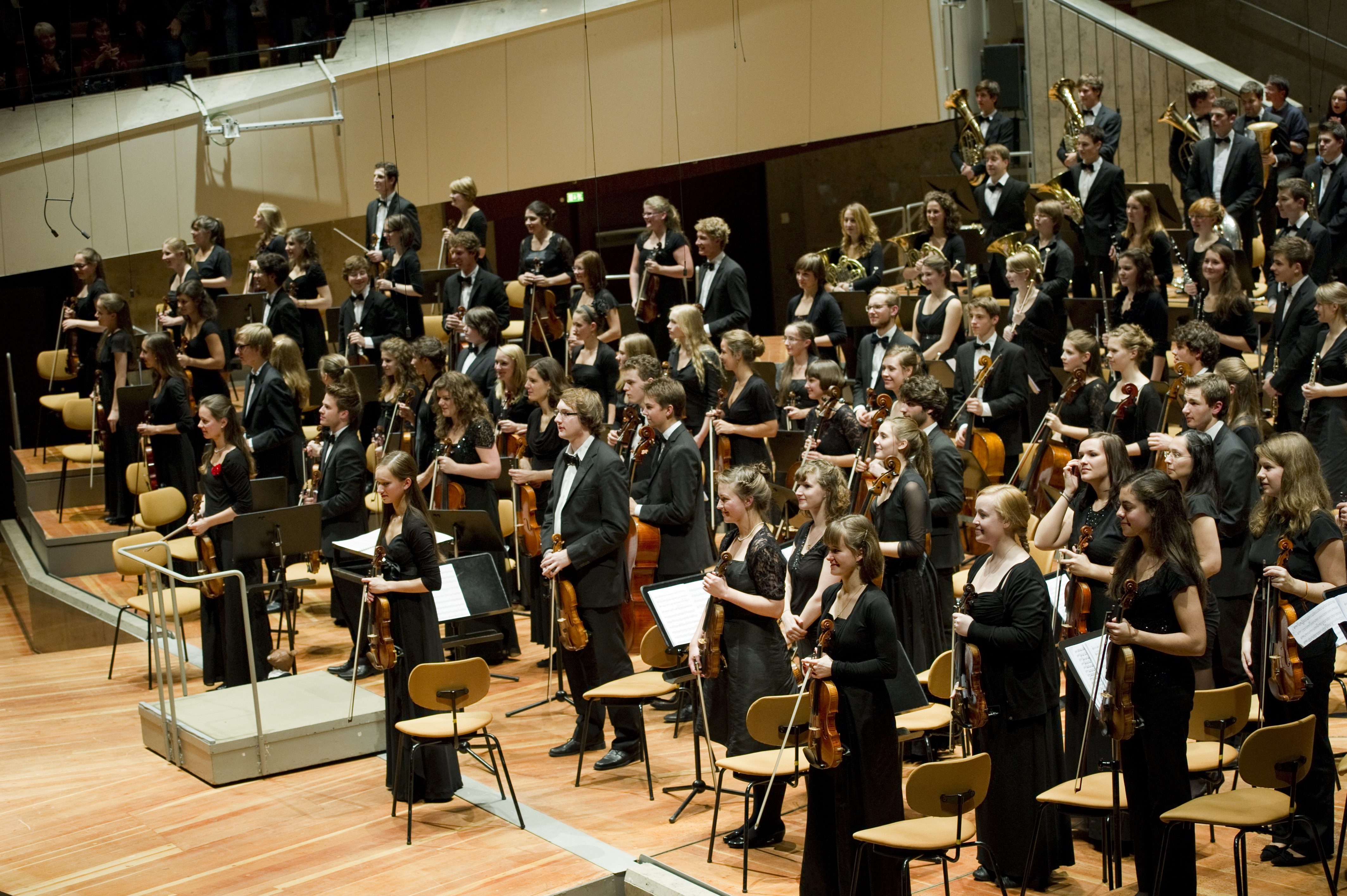
The "how it works" of American classical music isn't about a single mechanism but a dynamic interplay of compositional techniques, performance practices, and institutional support. Composers employ a vast array of tools, from traditional tonal harmony and counterpoint to serialism, aleatoric music, and electronic soundscapes, often drawing inspiration from American experiences. Performance relies on highly trained musicians, typically educated at institutions like The Juilliard School or Eastman School of Music, who interpret these scores with technical precision and artistic expression. The infrastructure supporting this music includes symphony orchestras like the Boston Symphony Orchestra, opera companies, chamber ensembles, and academic music departments that commission new works, foster talent, and preserve the repertoire. The dissemination of this music occurs through live concerts, recordings, radio broadcasts, and digital streaming platforms, reaching audiences both domestically and internationally.
📊 Key Facts & Numbers
The American classical music scene boasts impressive scale: Major concert halls, such as Lincoln Center in New York City, host thousands of performances annually, drawing millions of attendees. The market for classical music recordings, though smaller than popular genres, still generates hundreds of millions of dollars annually, with digital downloads and streaming accounting for a growing share. Approximately 25,000 students enroll in music performance programs at American universities each year, feeding a pipeline of talent. Over 500 professional symphony orchestras operate across the United States, with the top 20 orchestras alone reporting annual budgets exceeding $500 million collectively. The number of new classical compositions premiered each year is estimated to be in the thousands, reflecting a continuous output of new artistic material.
👥 Key People & Organizations
Key figures are central to the narrative of American classical music. Charles Ives experimented with polytonality and complex rhythms decades ahead of his European contemporaries. Aaron Copland (1900-1990) became the quintessential American voice, his accessible yet sophisticated works like "Appalachian Spring" (1944) embodying a national spirit. George Gershwin (1898-1937) bridged the gap between jazz and classical music with unparalleled success. Composers like Leonard Bernstein (1918-1990) excelled as both conductor and composer, leading the New York Philharmonic and creating iconic works like "West Side Story" (1957). Organizations such as the American Composers Orchestra are dedicated to commissioning and performing new American music, while the League of American Orchestras advocates for orchestral music nationwide.
🌍 Cultural Impact & Influence
The cultural impact of American classical music is profound, extending far beyond concert halls. Its influence is evident in film scores, where composers like John Williams have crafted iconic themes for blockbusters like "Star Wars" and "Indiana Jones". The integration of jazz and blues elements by composers like Scott Joplin and William Grant Still broadened the harmonic and rhythmic palette of classical music globally. American minimalist composers such as Steve Reich and Philip Glass have had a seismic impact on contemporary music worldwide, influencing genres from electronic dance music to ambient soundscapes. The very idea of a "national sound" in classical music, championed by figures like Copland, has inspired composers in other countries to explore their own cultural identities.
⚡ Current State & Latest Developments
The current state of American classical music is one of dynamic evolution and adaptation. Orchestras and institutions are actively seeking to diversify their programming, commissioning more works by women and composers of color, and engaging with new audiences through innovative outreach and digital strategies. The rise of streaming platforms like Spotify and Apple Music has made classical music more accessible than ever, though it also presents challenges for revenue generation. Composers are increasingly exploring interdisciplinary collaborations, integrating visual arts, technology, and social commentary into their work. The COVID-19 pandemic accelerated the adoption of virtual performances and digital content, forcing a reevaluation of traditional concert models and audience engagement strategies, with many institutions now maintaining hybrid models.
🤔 Controversies & Debates
Controversies swirl around the accessibility and relevance of American classical music. Critics argue that the genre remains elitist, with high ticket prices and a perceived lack of diversity in both repertoire and performers alienating potential audiences. Debates persist over the canon: should institutions prioritize established European masters, or champion contemporary American voices, particularly those from underrepresented communities? The financial sustainability of orchestras is a perennial concern, leading to discussions about business models, fundraising, and the role of public funding. Furthermore, the definition of "classical music" itself is contested, with some arguing that the term is outdated and exclusionary, preferring broader labels like "art music" or "new music."
🔮 Future Outlook & Predictions
The future of American classical music hinges on its ability to remain relevant and accessible. Expect a continued push for greater diversity and inclusion in programming and leadership, with a focus on commissioning and promoting works by a wider range of composers. Technology will play an increasingly significant role, not just in dissemination but also in composition and performance, with advancements in AI-assisted composition and immersive audio experiences. Institutions will likely continue to experiment with hybrid concert formats, blending live and digital elements to reach broader audiences. There's also a growing interest in "community-based" classical music, where ensembles engage directly with local neighborhoods, fostering a more organic connection between performers and listeners, potentially moving away from the traditional concert hall model.
💡 Practical Applications
American classical music finds practical applications far beyond the concert hall. Its principles of structure, harmony, and melody are foundational to film scoring, where composers create emotional landscapes for visual narratives. The techniques developed by American composers have influenced jazz and popular music, contributing to the rich tapestry of American sound. In education, classical music serves as a vital tool for developing discipline, critical listening skills, and creativity in students of all ages. Furthermore, the complex mathematical and structural elements within classical compositions have
Key Facts
- Category
- culture
- Type
- topic