
Contents
- 🛋️ What is Furniture Arrangement?
- 🎯 Who Needs This Skill?
- 📐 The Core Principles of Spatial Harmony
- ✨ Creating a Vibe: Beyond Functionality
- ⚖️ Balancing Aesthetics and Ergonomics
- 💡 Common Pitfalls to Avoid
- 🛠️ Tools and Techniques for Success
- 🚀 The Future of Furniture Arrangement
- Frequently Asked Questions
- Related Topics
Overview
Arranging furniture is more than just aesthetics; it's about optimizing flow, function, and the overall 'vibe' of a space. Historically, furniture placement served practical needs, but with the advent of interior design as a discipline, it evolved into an art form. Modern approaches range from the spiritual principles of Feng Shui, aiming to harmonize energy (Qi), to purely ergonomic considerations that prioritize comfort and usability. Understanding scale, proportion, and traffic patterns is crucial, whether you're furnishing a minimalist studio or a sprawling estate. The goal is to create an environment that feels both inviting and purposeful, reflecting the inhabitant's personality and lifestyle.
🛋️ What is Furniture Arrangement?
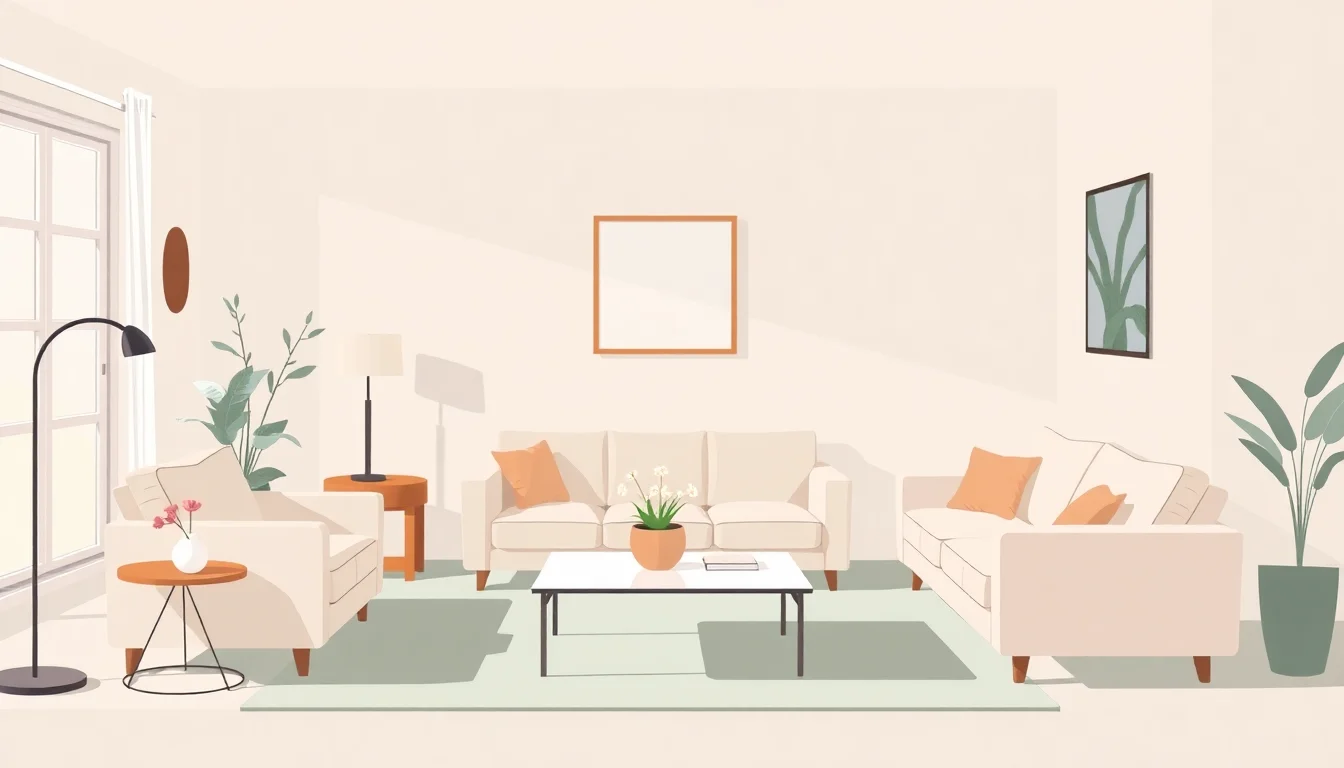
Furniture arrangement is more than just shoving sofas against walls; it's the deliberate orchestration of objects within a space to optimize flow, functionality, and emotional resonance. Think of it as interior design's kinetic component, where the placement of each piece dictates how you move, interact, and ultimately, feel within a room. This art form draws from principles of Feng Shui, Interior Design's golden ratio, and even the psychological impact of Color Theory on mood. It’s about transforming static objects into a dynamic, living environment that serves both practical needs and aesthetic desires.
🎯 Who Needs This Skill?
This skill is essential for anyone looking to maximize their living or working environment, from Apartment Living struggling with limited square footage to homeowners aiming to create distinct zones within open-plan layouts. It’s for the remote worker seeking a productive home office, the entertainer wanting to foster conversation in their living room, or even the minimalist who understands that intentional placement is key to decluttering. Essentially, if you occupy a physical space and want it to work for you, not against you, this is your domain. Understanding these principles can elevate a rental unit to feel like a custom-designed sanctuary.
📐 The Core Principles of Spatial Harmony
At its heart, effective furniture arrangement hinges on a few core principles. The first is Traffic Flow: ensuring clear, unobstructed pathways for movement. Imagine a dance floor; you need space for people to move freely without bumping into each other. Second is Focal Points: identifying or creating a central element that draws the eye, whether it's a fireplace, a piece of art, or a striking furniture arrangement itself. Finally, Scale and Proportion are crucial; furniture should feel appropriately sized for the room and for each other, avoiding the feeling of being either dwarfed or overwhelmed. These elements work in concert to create a sense of order and intentionality.
✨ Creating a Vibe: Beyond Functionality
Beyond mere utility, furniture arrangement is a powerful tool for crafting a specific Vibe Scores. Do you want a cozy, intimate atmosphere for reading? Cluster seating around a coffee table. Aiming for an energetic, social hub? Arrange seating to encourage conversation and eye contact. The placement of furniture can influence perceived room size, light distribution, and even acoustics. Consider how a strategically placed armchair can create a quiet reading nook, or how a sectional sofa can define a communal gathering space, directly impacting the room's overall Emotional Resonance.
⚖️ Balancing Aesthetics and Ergonomics
The true mastery lies in the delicate balance between how a space looks and how it functions. Ergonomics dictate that furniture should be placed at comfortable distances for interaction and use – think about the optimal distance between a sofa and a coffee table for placing drinks, or the legroom needed under a desk. Aesthetics, on the other hand, concern visual appeal, symmetry, and balance. A perfectly balanced arrangement might sacrifice a bit of traffic flow, while an ultra-functional layout could feel a bit sterile. The goal is to find that sweet spot where beauty and practicality coalesce, often through Iterative Design.
💡 Common Pitfalls to Avoid
Many fall into common traps, such as pushing all furniture against the walls, which can create a cavernous, uninviting center. Another frequent mistake is neglecting the importance of Area Rugs in defining zones and anchoring furniture groupings. Over-furnishing a space, leading to clutter and restricted movement, is also a common pitfall. Conversely, under-furnishing can leave a room feeling sparse and unfinished. Finally, failing to consider the room's primary purpose – for example, arranging a dining room for conversation rather than dining – can render the space dysfunctional, undermining the entire Purposeful Design effort.
🛠️ Tools and Techniques for Success
Getting started doesn't require a degree in architecture. Simple tools like Graph Paper and a pencil can help you sketch out layouts to scale, or you can utilize numerous Online Room Planners and 3D Visualization Software available today. Measuring your furniture and your room accurately is paramount. Don't underestimate the power of painter's tape to mark out furniture dimensions on your floor before you move anything heavy. Experimentation is key; don't be afraid to rearrange and see what feels best. Small adjustments can have a significant impact on the overall Spatial Experience.
🚀 The Future of Furniture Arrangement
The future of furniture arrangement is increasingly influenced by Smart Home Technology and modular, adaptable furniture systems. We're seeing a rise in pieces designed for multi-functionality and easy reconfiguration, catering to dynamic lifestyles and evolving spatial needs. Expect more integration of Biophilic Design principles, bringing natural elements into arrangements, and a continued emphasis on creating personalized, experience-driven spaces. The core principles will remain, but the tools and materials will undoubtedly evolve, pushing the boundaries of what's possible in home and office design, potentially leading to Dynamic Living Spaces.
Key Facts
- Year
- 2023
- Origin
- Vibepedia.wiki
- Category
- Home & Lifestyle
- Type
- Topic Guide
Frequently Asked Questions
How do I determine the best focal point for a room?
Identify existing architectural features like fireplaces, large windows with views, or built-in shelving. If none exist, you can create one with a striking piece of art, a bold accent wall, or a statement furniture item like a unique sofa or a grand piano. The focal point should be something that naturally draws the eye upon entering the room and serves as the anchor for your furniture arrangement. Consider the room's primary function when selecting or creating your focal point.
What's the ideal distance between furniture pieces?
There's no single 'ideal' distance, as it depends on the function and desired vibe. For conversation areas, seating pieces should be close enough for easy dialogue, typically within 8-10 feet of each other. For traffic flow, ensure at least 30-36 inches for main pathways. The distance between a sofa and coffee table is often around 14-18 inches, allowing legroom while keeping the table accessible. Always prioritize comfortable access and a sense of connection between seating elements.
How do I arrange furniture in a small apartment?
In small spaces, prioritize multi-functional furniture, such as ottomans with storage or sofa beds. Utilize vertical space with shelving units. Opt for furniture with visible legs to create a sense of openness. Arrange pieces to define distinct zones, even in a studio, using rugs or strategic placement. Avoid blocking windows or natural light, and ensure clear pathways. Floating furniture away from walls, even by a few inches, can make the room feel larger.
What is the role of area rugs in furniture arrangement?
Area rugs are crucial for defining zones and anchoring furniture groupings. In a living room, a rug should be large enough for at least the front legs of all major seating pieces to rest on it, visually connecting them. In a dining room, the rug should be large enough to accommodate the table and chairs even when they are pulled out. Rugs add warmth, texture, and color, contributing significantly to the overall vibe and cohesion of the arrangement.
How can I make a large room feel cozier?
To make a large room feel cozier, break it down into smaller, more intimate seating areas or 'zones.' Use area rugs to define these zones and anchor furniture groupings. Cluster furniture closer together than you might in a smaller room, encouraging conversation. Incorporate softer textures like plush rugs, upholstered furniture, and decorative pillows. Consider using taller furniture pieces or strategically placed lighting to create a sense of enclosure and warmth.
Is it ever okay to put furniture against the wall?
While often discouraged, placing furniture against the wall can be effective in specific situations. It's most useful in very small rooms where every inch counts, or when you need to maximize the central open space for a specific purpose, like a play area. However, even then, try to pull pieces slightly away from the wall to avoid a 'bowling alley' effect. In larger rooms, floating furniture away from the walls generally creates a more dynamic and inviting arrangement.