
Contents
Overview
The genesis of the Art Deco Historic District, often synonymous with Miami Beach's South Beach, traces back to the early 20th century's burgeoning tourism and real estate boom. While the area was incorporated as a city on March 26, 1915, its iconic architectural character solidified in the decades that followed, particularly during the 1930s and 1940s. This period saw an explosion of construction, fueled by developers seeking to capitalize on the region's appeal as a winter resort destination. The aftermath of the 1926 Miami hurricane and the subsequent Great Depression, paradoxically, spurred innovation in building techniques and design, leading to the distinctive styles that define the district today. Early pioneers like George Merrick, though more associated with Coral Gables, set a precedent for ambitious planned communities, while figures like Carl Fisher were instrumental in developing Miami Beach itself, laying the groundwork for the architectural flourishing that would follow. The district's designation as a U.S. historic district on May 14, 1979, by the National Park Service was a critical turning point, solidifying its status as a protected cultural asset.
⚙️ Architectural Hallmarks
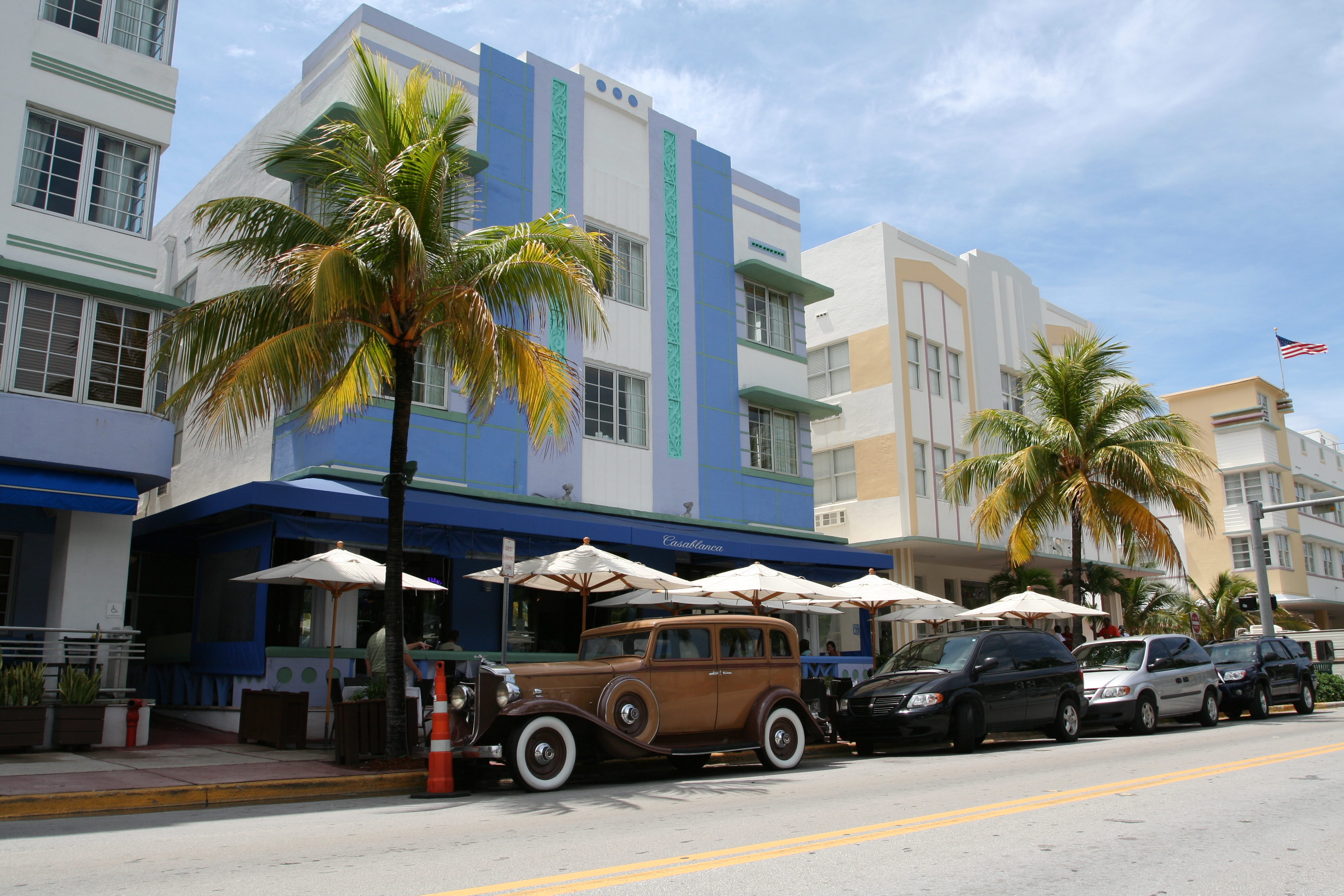
The architectural language of the Art Deco Historic District is a vibrant fusion of styles, primarily Art Deco, Streamline Moderne, and Mediterranean Revival, each contributing unique elements. Art Deco, with its emphasis on symmetry, geometric patterns, stylized ornamentation (like chevrons, sunbursts, and zigzags), and bold colors, is most evident in buildings constructed during the 1930s. Streamline Moderne, emerging in the late 1930s and early 1940s, introduced softer curves, horizontal lines, and nautical motifs, evoking speed and efficiency, often seen in buildings with rounded corners and cantilevered balconies. Mediterranean Revival, though predating the Art Deco boom, also features prominently, characterized by red tile roofs, arched windows, and stucco facades, reflecting the region's Spanish colonial influences. Common materials include concrete, stucco, glass blocks, and chrome, often painted in cheerful pastel palettes that complement the tropical environment. The district's design often incorporates elements like rooftop terraces, decorative spires, and elaborate lighting fixtures, creating a visually dynamic streetscape.
📊 Key Facts & Numbers
The Art Deco Historic District is a quantifiable marvel of preservation and tourism. Spanning approximately 5750 acres, it is home to around 960 historic buildings, with the majority dating from the 1930s and 1940s. The district's economic impact is substantial, generating an estimated $1 billion annually through tourism, according to some reports. Ocean Drive, perhaps the most famous street within the district, sees millions of visitors each year, contributing significantly to local businesses. The average hotel occupancy rate in the South Beach area hovers around 80-85% year-round, underscoring its perennial appeal. The cost of restoring and maintaining these historic structures can range from $200 to $500 per square foot, a significant investment that underscores the commitment to preservation. The district's density of historic structures is among the highest in the United States, making it a unique urban landscape.
👥 Key Figures & Developers
While no single architect or developer solely defined the Art Deco Historic District, several figures and firms were instrumental in shaping its character. The architectural firm Morris Lapidus is particularly renowned for his post-war designs, including the Eden Roc Hotel and the Fontainebleau Miami Beach, which, though slightly later, embody the flamboyant spirit that continued the district's legacy. Early developers like Carl Fisher were crucial in the initial development of Miami Beach, laying the infrastructure for future growth. Architects such as Henry Hohauser and Vladimir de Pols designed numerous iconic buildings in the 1930s and 1940s, including the Park Central Hotel and the Cardinal Hotel, respectively. The Miami Design Preservation League (MDPL), founded in 1976, has been a tireless advocate for the district's preservation, playing a pivotal role in its historic designation and ongoing protection.
🌍 Cultural Impact & Influence
The Art Deco Historic District's influence extends far beyond its geographical boundaries, permeating global culture and aesthetics. It has served as an iconic backdrop for countless films, television shows, and music videos, cementing its image as a symbol of glamour, hedonism, and retro cool. Movies like Scarface (1983) and The Birdcage (1996) prominently featured the district, while television series such as Miami Vice (1984-1989) defined a generation's visual understanding of South Beach. The district's distinctive style has also inspired fashion, interior design, and even product aesthetics worldwide. Its vibrant pastel colors and geometric motifs are frequently referenced in contemporary design, demonstrating a lasting legacy. The district's association with LGBTQ+ culture and its role as a vibrant nightlife hub have further amplified its cultural significance, making it a global beacon of inclusivity and celebration.
⚡ Current State & Preservation
Today, the Art Deco Historic District remains a dynamic and highly sought-after destination, though it faces ongoing challenges related to preservation and modernization. The Miami Design Preservation League continues its vigilant work, advocating for strict architectural guidelines and overseeing the restoration of historic structures. Many of the district's original hotels and apartment buildings have been meticulously renovated and repurposed as boutique hotels, luxury residences, and trendy restaurants, breathing new life into the historic fabric. However, the pressure for new development, particularly in the face of rising sea levels and increasing tourism demand, presents a constant tension. Balancing the need for economic growth with the imperative to protect the district's unique architectural heritage is a continuous endeavor, requiring careful planning and community engagement.
🤔 Controversies & Debates
The Art Deco Historic District is not without its controversies, primarily revolving around the delicate balance between preservation and development. Critics argue that strict preservation guidelines can stifle economic growth and prevent necessary upgrades, while proponents fear that any deviation from original design principles will irrevocably damage the district's historic character. Debates often arise concerning the appropriateness of modern additions to historic buildings, the use of certain materials, and the impact of large-scale events on the fragile architecture. The increasing popularity of short-term rental platforms like Airbnb has also raised concerns about potential misuse of historic properties and their impact on the residential character of certain areas. Furthermore, the ongoing threat of climate change, particularly rising sea levels and increased storm intensity, poses a significant long-term challenge to the district's preservation, prompting discussions about adaptive reuse and resilient design strategies.
🔮 Future Outlook
The future of the Art Deco Historic District hinges on its ability to adapt while remaining true to its historic roots. Experts predict a continued emphasis on sustainable tourism and eco-friendly preservation practices. Innovations in building materials and restoration techniques will likely play a crucial role in mitigating the impacts of climate change, such as sea-level rise and increased storm frequency. There's also a growing interest in exploring the district's less-celebrated architectural periods and styles, potentially broadening its historical narrative. The ongoing dialogue between preservationists, developers, and the community will be critical in shaping policies that ensure the district's long-term viability. As technology advances, virtual reality and augmented reality experiences may offer new ways for visitors to engage with and understand the district's history and architecture, potentially driving further interest and support for its preservation.
💡 Tourism & Experience
Visiting the Art Deco Historic District is an immersive experience, offering a tangible connection to a bygone era of glamour and optimism. The most popular way to explore is by walking tours, many led by guides from the Miami Design Preservation League, who provide in-depth historical context and architectural insights. Key landmarks include the Park Central Hotel, the Cardinal Hotel, the Colony Hotel, and the Palms Hotel, each showcasing distinct design elements. Ocean Drive, with its vibrant strip of hotels, restaurants, and bars, is the heart of the district, offering a lively atmosphere day and night. Lummus Park, running parallel to Ocean Drive, provides a green oasis and a prime spot for people-watching. Many of the historic hotels offer guided tours of their interiors, allowing visitors to appreciate the restored lobbies, ballrooms, and decorative details. The Art Deco Museum provides a comprehensive overview of the district's history and architectural significance.
Key Facts
- Year
- 1915 (incorporation), 1930s-1940s (architectural peak)
- Origin
- Miami Beach, Florida, United States
- Category
- aesthetics
- Type
- place
Frequently Asked Questions
What are the main architectural styles found in the Art Deco Historic District?
The district is primarily characterized by three architectural styles: Art Deco, with its geometric patterns and bold ornamentation; Streamline Moderne, featuring curved forms and horizontal lines evoking speed; and Mediterranean Revival, with its red tile roofs and arched windows. These styles often blend together, creating a unique visual vernacular that defines South Beach. Many buildings also incorporate elements of the Tropical Deco style, adapting Art Deco principles to the local climate and environment with features like decorative fins and vibrant color palettes.
Who was responsible for preserving the Art Deco Historic District?
The preservation of the Art Deco Historic District is largely credited to the tireless efforts of the Miami Design Preservation League (MDPL), founded in 1976. Its founder, Barbara Baer Capitman, was a fierce advocate who recognized the imminent threat to the district's unique architecture. The MDPL's work was instrumental in achieving the district's designation as a U.S. historic district in 1979, establishing protective guidelines and fostering public awareness that continues to this day.
What is the economic significance of the Art Deco Historic District?
The Art Deco Historic District is a major economic engine for Miami Beach, drawing millions of tourists annually who contribute significantly to the local economy. The district's vibrant nightlife, boutique hotels, and renowned restaurants generate substantial revenue, with some estimates placing the annual economic impact in the billions of dollars. The preservation of these historic structures also enhances property values and attracts investment, making it a crucial asset for the city's sustained prosperity and global appeal.
How has the Art Deco Historic District influenced popular culture?
The district's distinctive aesthetic has made it a global cultural icon, frequently appearing as a backdrop in films like Scarface and The Birdcage, and the television series Miami Vice. Its vibrant colors, geometric motifs, and glamorous atmosphere have inspired fashion, interior design, and graphic arts worldwide. The district is also recognized as a significant hub for LGBTQ+ culture and nightlife, contributing to its reputation as a symbol of freedom, expression, and retro-chic style that continues to captivate audiences.
What are the primary challenges facing the Art Deco Historic District today?
The district faces significant challenges, primarily the ongoing tension between preservation and development. The pressure to build new structures or extensively renovate historic ones can threaten architectural integrity. Climate change, particularly rising sea levels and increased storm intensity, poses a long-term existential threat to the low-lying coastal architecture, necessitating costly adaptation and resilience measures. Additionally, managing the impact of mass tourism and the proliferation of short-term rentals requires careful regulation to maintain the district's character and livability.
How can one best experience the Art Deco Historic District?
The most immersive way to experience the Art Deco Historic District is through guided walking tours, often led by members of the Miami Design Preservation League, which offer deep dives into the architecture and history. Exploring Ocean Drive, Lummus Park, and visiting iconic hotels like the Park Central Hotel or the Cardinal Hotel provides a firsthand feel for the district's atmosphere. Visiting the Art Deco Museum is also highly recommended for a comprehensive understanding of the area's significance and design evolution.
What is the future outlook for the Art Deco Historic District?
The future outlook for the Art Deco Historic District involves a continued focus on sustainable preservation and adaptive reuse. Experts anticipate greater integration of climate-resilient design strategies to combat sea-level rise and extreme weather. Technological advancements may offer new ways to engage with the district's history, such as virtual tours and digital archives. The ongoing collaboration between preservationists, city officials, and the community will be crucial in navigating development pressures and ensuring the district's unique architectural heritage thrives for generations to come.