
Contents
Overview
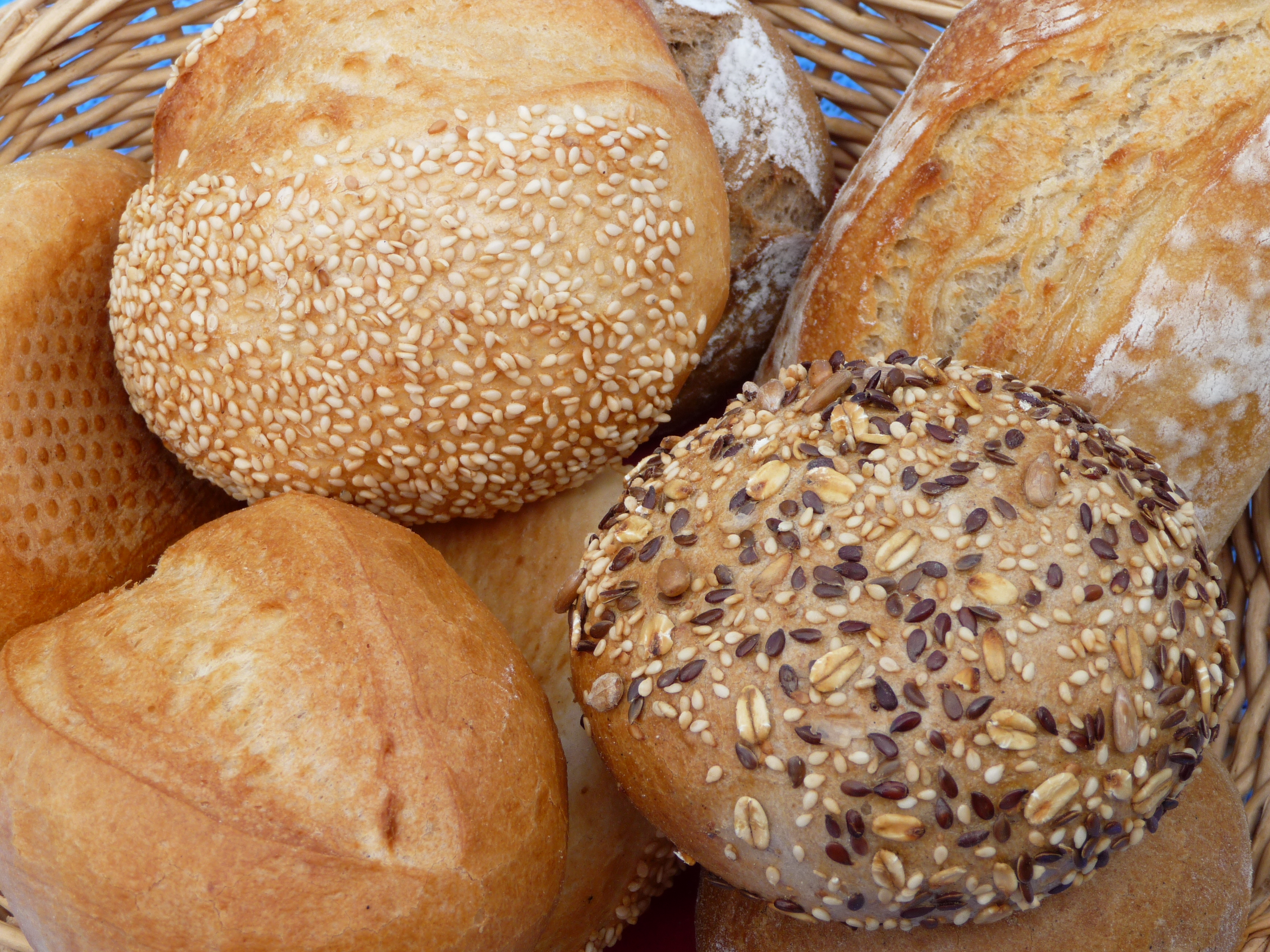
Artisan bread making is a culinary discipline focused on producing bread with superior flavor, texture, and aroma, often by hand or with minimal mechanization. It emphasizes traditional techniques, high-quality ingredients, and often long fermentation processes, such as sourdough or preferments like poolish and biga. Unlike mass-produced loaves, artisan bread typically features a distinct crust, an open crumb structure, and complex flavor profiles developed through slow fermentation and careful baking. This approach has seen a resurgence, driven by a desire for authentic, flavorful food and a connection to culinary heritage, with bakers like Chad Robertson and Jim Lahey becoming prominent figures in the modern movement. The global market for specialty and artisan baked goods is substantial, reflecting a growing consumer appreciation for quality and craftsmanship.
🎵 Origins & History
The roots of artisan bread making stretch back to the earliest days of baking, long before industrialization. The Romans further refined baking techniques, establishing bakeries and developing various bread types. For centuries, bread was a cornerstone of the diet, with local bakers often using traditional methods passed down through generations. The advent of the Industrial Revolution in the 18th and 19th centuries led to the rise of mass production, prioritizing speed and cost over traditional craftsmanship. This shift relegated true artisan baking to a niche, until a revival began in the late 20th century, reconnecting with ancient techniques and a focus on quality ingredients.
⚙️ How It Works
At its heart, artisan bread making is about controlling the variables of fermentation and baking to achieve specific textural and flavor outcomes. It begins with carefully selected flours, often unbleached and minimally processed, such as whole wheat, rye, or heritage grains like spelt. Hydration levels are critical, influencing dough extensibility and crumb structure. The leavening agent, whether sourdough starter (a symbiotic culture of wild yeast and bacteria) or commercial yeast, dictates the fermentation rate and flavor development. Techniques like autolyse (resting flour and water before adding salt and leavening) and stretch-and-folds develop gluten structure without aggressive kneading. Long, slow fermentation, often in a banneton or proofing basket, allows complex flavors to develop. Finally, baking in a hot oven, often with steam, creates the characteristic crisp crust and airy interior.
📊 Key Facts & Numbers
The global market for artisan bread is estimated to be worth billions, with significant growth projected. The average home baker might spend $2-$5 on ingredients for a single loaf, a stark contrast to the $1-$3 price of mass-produced supermarket bread. Studies by organizations like the American Bakers Association indicate that consumer demand for higher-quality, naturally leavened breads has increased by over 20% in the last decade.
👥 Key People & Organizations
Pioneers like Jim Lahey popularized the no-knead method, making artisan bread accessible to home bakers through his book 'My Bread'. Chad Robertson, co-founder of Tartine Bakery in San Francisco, is renowned for his mastery of sourdough, detailed in his book 'Tartine Bread'. Other influential figures include Peter Reinhart, an author and educator who has written extensively on bread making, and Claudia Fleming, whose bakery, The Greene, has garnered critical acclaim. Organizations like the Bread Bakers Guild of America play a crucial role in promoting education and standards within the industry, fostering a community of passionate bakers.
🌍 Cultural Impact & Influence
Artisan bread making has profoundly influenced modern food culture, shifting consumer perception from bread as a commodity to a gourmet item. It has spurred the growth of local bakeries, farmers' markets, and home baking communities. The aesthetic of a perfectly scored, blistered loaf has become iconic, frequently shared on platforms like Instagram and Pinterest, contributing to a 'foodie' culture that values authenticity and craftsmanship. This movement has also encouraged a broader appreciation for traditional foodways and the importance of heritage grains, influencing agricultural practices and the demand for more sustainable farming methods. The rise of artisan bread has, in turn, elevated the status of the baker from a mere tradesperson to a culinary artist.
⚡ Current State & Latest Developments
The current landscape of artisan bread making is marked by innovation and a continued focus on sustainability and health. Many bakeries are exploring ancient grains like emmer and khorasan for their unique flavors and nutritional profiles. The demand for gluten-free artisan options is also growing, with bakers experimenting with flours like rice, buckwheat, and almond flour. Online courses and virtual workshops have become increasingly popular, democratizing access to expert knowledge. Furthermore, a growing number of bakeries are investing in renewable energy sources and reducing waste, aligning with broader environmental concerns. The trend towards hyper-local sourcing of ingredients is also gaining traction, strengthening community ties.
🤔 Controversies & Debates
Debates within artisan bread making often center on definitions and authenticity. What constitutes 'artisan' bread is a point of contention. The use of commercial yeast versus sourdough starter is another recurring discussion, with purists favoring wild fermentation for its complex flavor and digestibility. Critics sometimes point to the higher price point of artisan bread as a barrier to accessibility, questioning whether the premium is always justified by the quality. There's also ongoing discussion about the environmental impact of grain sourcing and baking processes, with calls for greater transparency and sustainability from both producers and consumers.
🔮 Future Outlook & Predictions
The future of artisan bread making likely involves further integration of technology with traditional methods. Expect to see more advanced fermentation monitoring tools and precision baking equipment that enhance consistency without sacrificing artisanal quality. The exploration of novel flours, including those derived from insects or algae, might emerge as sustainable protein sources. Personalized nutrition will also play a role, with bakers potentially developing loaves tailored to specific dietary needs or preferences. Furthermore, the concept of 'terroir' in bread, much like in wine, will likely gain more traction, with an emphasis on the unique characteristics imparted by regional grains and local microflora. The line between home baking and professional production may also blur further with accessible, high-quality equipment.
💡 Practical Applications
Artisan bread making has direct practical applications in both commercial and domestic settings. For professional bakers, it forms the core of their business, supplying restaurants, cafes, and direct consumers with high-quality products. Home bakers utilize these techniques to create superior bread for their families, often finding it a rewarding and therapeutic hobby. The principles of artisan bread making are also applied in culinary education, teaching fundamental baking science and techniques. Furthermore, the focus on digestibility and natural fermentation has led to its adoption by individuals seeking healthier alternatives to conventional bread, particularly those with mild digestive sensitivities.
Key Facts
- Category
- culture
- Type
- concept