
Contents
Overview
Austerlitz, Netherlands, is a village with a curious name, not directly tied to the famous Napoleonic battle, but rather to a French general's vision. Established in 1804 by Auguste de Marmont, Duke of Ragusa, under the patronage of Louis Bonaparte, King of Holland, it was initially intended as a military camp and later a settlement for veterans. Today, it's a quiet community within the municipality of Zeist, a testament to a fleeting moment of French influence on Dutch soil, far removed from the cannon smoke of Moravia.
🎵 Origins & History
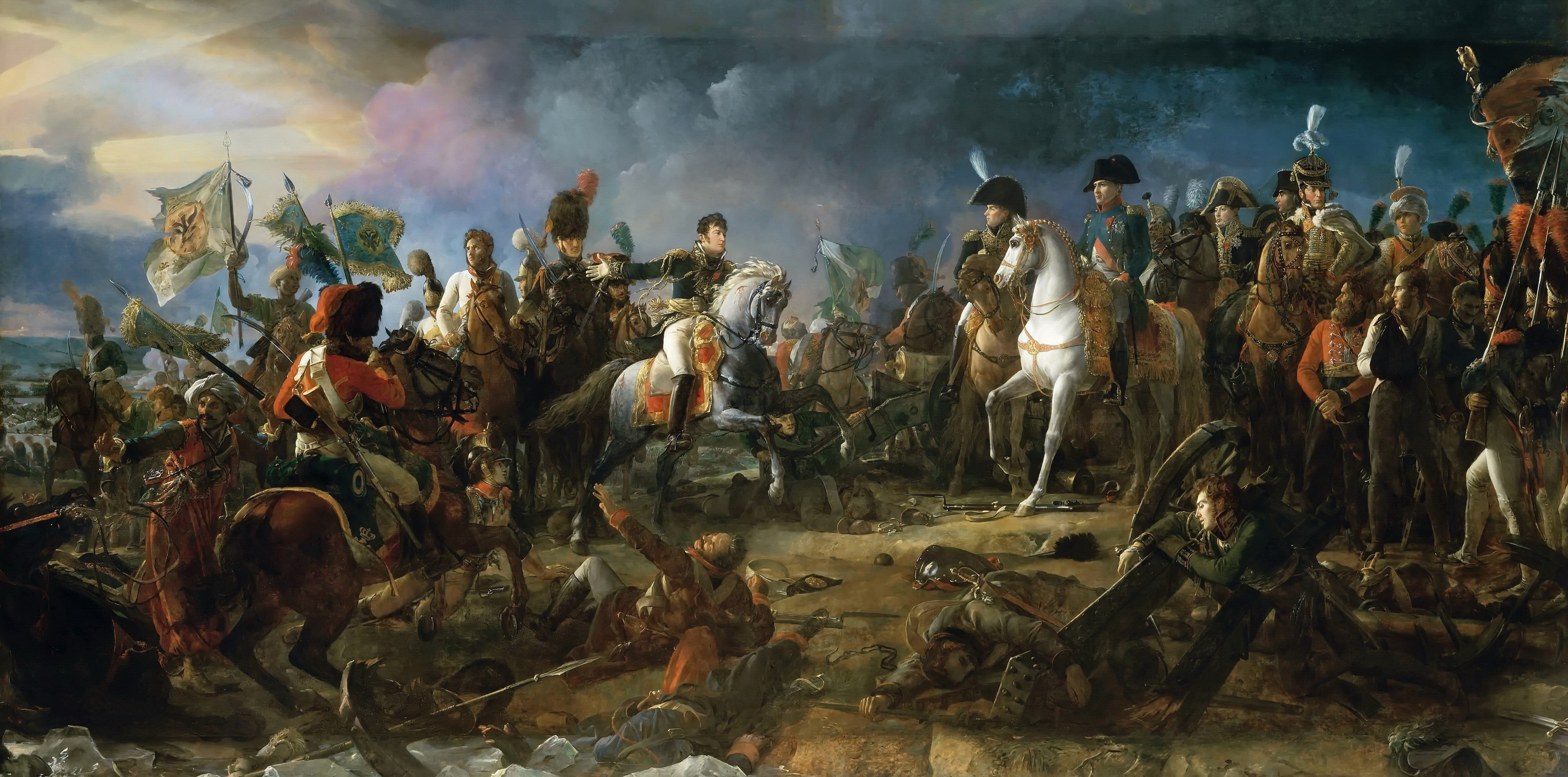
The village of Austerlitz in the Netherlands carries a historical echo, a colonial naming convention reflecting the imperial reach of France across Europe, even in peacetime. The Battle of Austerlitz was a tactical masterpiece by Napoleon that crushed the Third Coalition. This Dutch Austerlitz represents a different kind of legacy – one of planned development and a nod to imperial power.
⚙️ How It Works
Austerlitz, Netherlands, is a typical Dutch village. Its infrastructure was initially designed with military purposes in mind, though these have largely been repurposed or absorbed into the civilian landscape. The village's layout reflects its planned origins, with a more ordered street structure than many older Dutch settlements. Its primary role today is residential, serving as a community within the larger municipality of Zeist. The local governance falls under the Zeist municipal council, which oversees services like waste management, public transport, and local planning. The village's connection to its namesake battle is primarily symbolic, a historical footnote rather than an active operational link.
📊 Key Facts & Numbers
Austerlitz, Netherlands, is a relatively small settlement. Its proximity to Utrecht makes it a desirable residential area, contributing to its stable population figures.
👥 Key People & Organizations
The primary figures associated with Austerlitz, Netherlands, are Auguste de Marmont, the French Marshal who conceived the settlement, and Louis Bonaparte, Napoleon's brother and the King of Holland who officially sanctioned its development and naming. Louis Bonaparte's reign in Holland was brief and largely dictated by his brother's ambitions, but his decision to name the village Austerlitz cemented its historical connection to the Napoleonic era. The municipality of Zeist is the current administrative body overseeing the village.
🌍 Cultural Impact & Influence
The cultural impact of Austerlitz, Netherlands, is subtle but significant. Its very name is a direct cultural import, a linguistic echo of French imperial power on Dutch soil. It serves as a tangible reminder of the Napoleonic Wars' reach beyond the battlefield, influencing place names and settlement patterns. While the village itself doesn't host major cultural events directly related to the battle, its existence prompts reflection on Dutch history during the French period and the complex relationship between the Netherlands and Napoleonic France. The village's unique name distinguishes it within the Dutch landscape, often prompting curiosity about its origins, thus keeping a sliver of Napoleonic history alive in a peaceful, civilian context.
⚡ Current State & Latest Developments
As of 2024, Austerlitz, Netherlands, continues to function as a residential community within the municipality of Zeist. There are no major new developments or significant changes reported regarding its status or infrastructure. The village maintains its quiet character, with local life revolving around community activities and its integration into the broader Zeist region. Ongoing municipal planning by Zeist likely addresses local needs such as maintenance of public spaces and infrastructure upgrades, but no specific large-scale projects are currently announced for Austerlitz itself. Its historical significance remains a point of local pride and historical interest.
🤔 Controversies & Debates
The primary 'controversy' surrounding Austerlitz, Netherlands, is semantic rather than contentious: its name is often confused with the far more famous Battle of Austerlitz. This can lead to a disconnect where people assume a direct military historical link that doesn't exist. Some historical purists might also debate the appropriateness of a Dutch village being named after a French military triumph, though this is more a point of historical interpretation than active debate. The village's planned nature, while efficient, might also be contrasted with more organic, older Dutch settlements, though this is a matter of architectural and urban planning preference rather than controversy.
🔮 Future Outlook & Predictions
The future of Austerlitz, Netherlands, appears to be one of continued stability as a residential community. Its planned origins and integration into the Zeist municipality suggest a predictable trajectory. Future developments will likely be guided by municipal planning, focusing on maintaining quality of life for its residents. There's little indication of significant expansion or major shifts in its character. The village's historical naming convention will likely persist, continuing to serve as a quiet, albeit indirect, reminder of the Napoleonic era and the strategic ambitions of figures like Auguste de Marmont.
💡 Practical Applications
The primary practical application of Austerlitz, Netherlands, is as a residential location. Its planned infrastructure, originally for military purposes, now serves civilian needs, offering housing and community amenities. The village provides a peaceful environment for its residents, benefiting from the services and amenities of the larger Zeist municipality. For historians or enthusiasts of the Napoleonic era, the village serves as a unique case study in how military and political ambitions translated into tangible settlements, even in seemingly peripheral locations. Its existence is a testament to the lasting, albeit sometimes indirect, impact of historical figures like Louis Bonaparte on cartography and place names.
Key Facts
- Category
- place
- Type
- place