
Contents
Overview
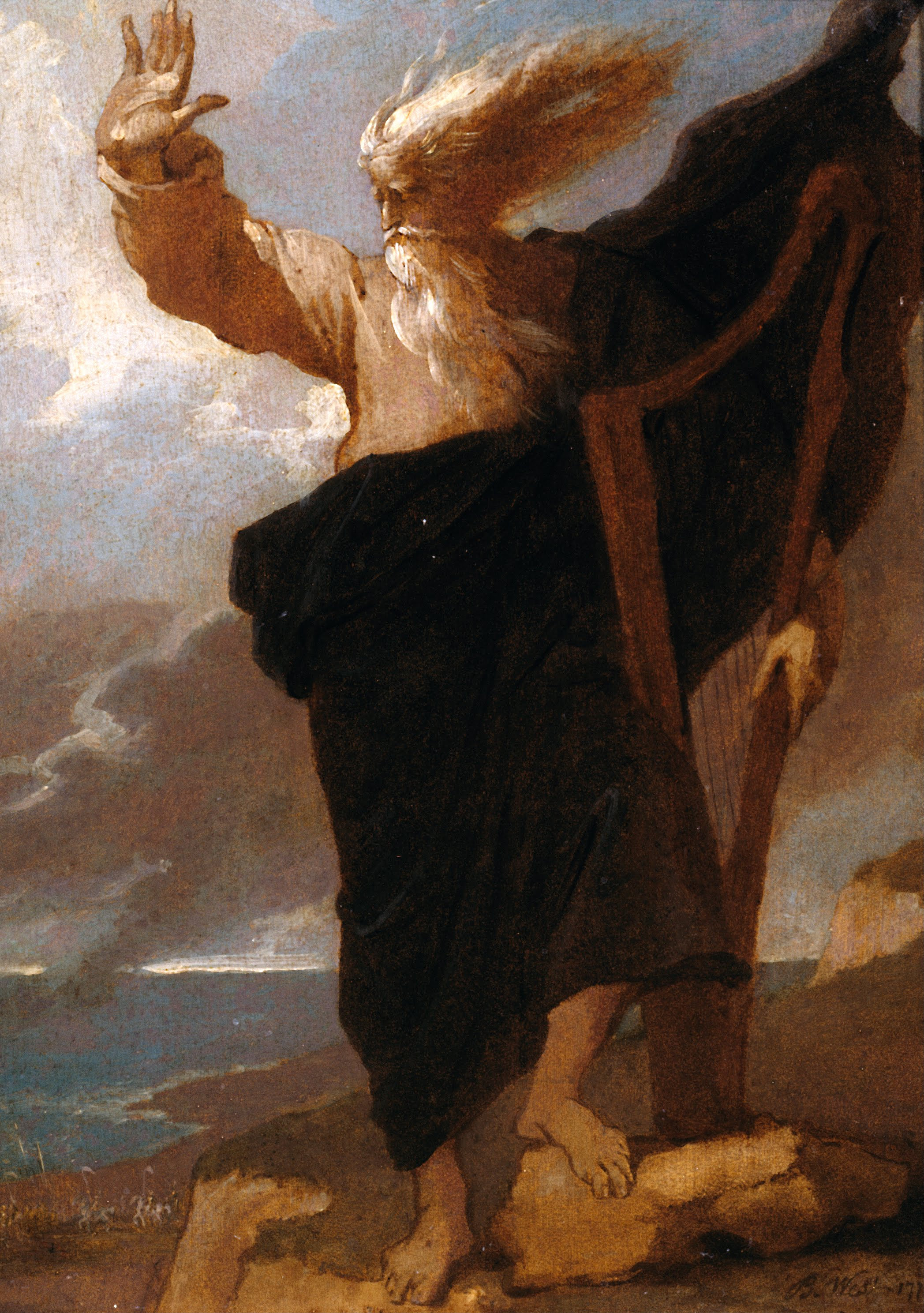
The bardic tradition encompasses the historical and cultural role of the bard, a professional poet, storyteller, musician, and oral historian. Originating in ancient Celtic societies, bards served as keepers of lore, genealogists, and propagandists, often employed by chieftains and monarchs to preserve history, celebrate achievements, and maintain social order. Their performances were central to courtly life, blending verse, music, and recitation to entertain, educate, and inspire. While the formal, patron-dependent bardic system waned with the rise of literacy and changing political structures, the spirit of the bard has endured, evolving into modern concepts of the minstrel, the poet laureate, and the influential singer-songwriter. Figures like William Shakespeare and Rabindranath Tagore have been posthumously honored with the title 'Bard,' signifying their profound impact on literature and culture, demonstrating the enduring resonance of this ancient art form.
🎵 Origins & History
These early bards were not mere entertainers but esteemed members of the court, functioning as living libraries and cultural custodians. Their training was rigorous, often spanning years of apprenticeship under master bards, where they learned intricate poetic forms, genealogies, historical sagas, and musical accompaniment. Figures like Taliesin in Welsh lore and Amergin Glúingel in Irish mythology represent archetypal bardic figures. These traditions were crucial for maintaining social cohesion, legitimizing rulers, and preserving a collective memory before widespread literacy.
⚙️ How It Works
At its core, the bardic tradition relies on the mastery of oral performance. Bards were trained in a complex system of poetic meters and rhetorical devices, enabling them to compose and recite epics, elegies, satires, and panegyrics. Music was an integral component, with the harp being the most iconic instrument associated with bards, though other instruments like the crwth (a Welsh stringed instrument) were also common. The bard's role was multifaceted: they were historians, preserving tribal and royal genealogies and recounting heroic deeds; they were legal advisors, knowledgeable in ancient laws and customs; and they were diplomats, capable of mediating disputes through their eloquence. Their performances were not static recitations but dynamic interactions with their audience, adapting verses and narratives to suit the occasion and the patron's desires. The patron-client relationship was paramount, with bards receiving land, gifts, and sustenance in exchange for their services, ensuring their loyalty and the perpetuation of their patron's legacy.
📊 Key Facts & Numbers
The Bardic Schools in Ireland, which operated until the 17th century, trained poets for up to 12 years. The economic value of a bard was considerable; a high-ranking bard could command gifts equivalent to the value of a small estate.
👥 Key People & Organizations
While the historical bards were often part of a structured guild system, specific individuals stand out. Organizations like the Gorsedd of the Bards of Wales continue to uphold aspects of the bardic tradition, promoting Welsh language and culture through poetry and ceremony.
🌍 Cultural Impact & Influence
The influence of the bardic tradition extends far beyond its Celtic origins. The concept of the bard as a poet-patronized by royalty or the state evolved into the role of the poet laureate in many European courts. Bob Dylan has been nominated for the Nobel Prize in Literature for his poetic lyrics. The bardic emphasis on storytelling and the preservation of cultural memory continues to resonate in contemporary media, from historical dramas to narrative-driven video games.
⚡ Current State & Latest Developments
Many universities and cultural institutions offer programs in creative writing and performance poetry, fostering new generations of storytellers and verse-makers. The rise of spoken word poetry slams, particularly in urban centers like New York City and London, showcases a vibrant, accessible form of contemporary bardic expression, often tackling social and political issues with the same urgency as their ancient predecessors. Digital platforms like YouTube and TikTok have become modern stages, allowing poets and musicians to reach global audiences instantaneously, bypassing traditional patronage systems. The National Eisteddfod of Wales remains a significant annual event celebrating Welsh poetry and music, continuing a tradition that dates back centuries.
🤔 Controversies & Debates
One of the primary controversies surrounding the bardic tradition involves its historical accuracy and the romanticization of its practitioners. Critics argue that the historical bards, while skilled poets, also served as propagandists for their patrons, potentially embellishing histories or demonizing enemies to suit political agendas. The romantic image, particularly as popularized by Sir Walter Scott in the 19th century, often downplayed the rigorous training and the sometimes mercenary nature of the bardic profession, presenting them instead as purely artistic figures. Furthermore, the decline of the tradition is sometimes linked to colonial policies that actively suppressed indigenous languages and cultural practices, leading to debates about cultural loss and reclamation. The modern use of the term 'bard' for figures like Shakespeare also sparks discussion about whether it accurately reflects the historical role of the Celtic bard or simply appropriates the title for literary prestige.
🔮 Future Outlook & Predictions
The future of the bardic tradition lies in its adaptability and continued relevance in new media. We can anticipate further integration of performance poetry and musical storytelling into digital platforms, potentially leading to new forms of interactive narrative. The emphasis on cultural preservation and identity, central to historical bardic roles, will likely see renewed importance in a globalized world, with bards emerging as champions of local languages and traditions. The potential for AI-generated poetry and music also presents a fascinating, albeit complex, future trajectory, raising questions about authorship, authenticity, and the very definition of artistic creation. As societies grapple with rapid change and information overload, the bard's role as a weaver of meaning and a keeper of collective memory may prove more vital than ever.
💡 Practical Applications
The practical applications of the bardic tradition are surprisingly diverse in the modern era. In education, the principles of oral storytelling and mnemonic devices used by bards can enhance learning and memory retention. In marketing and branding, the art of crafting compelling narratives and memorable slogans echoes the bard's ability to create lasting impressions. T
Key Facts
- Category
- culture
- Type
- topic