Basil Davidson | Vibepedia
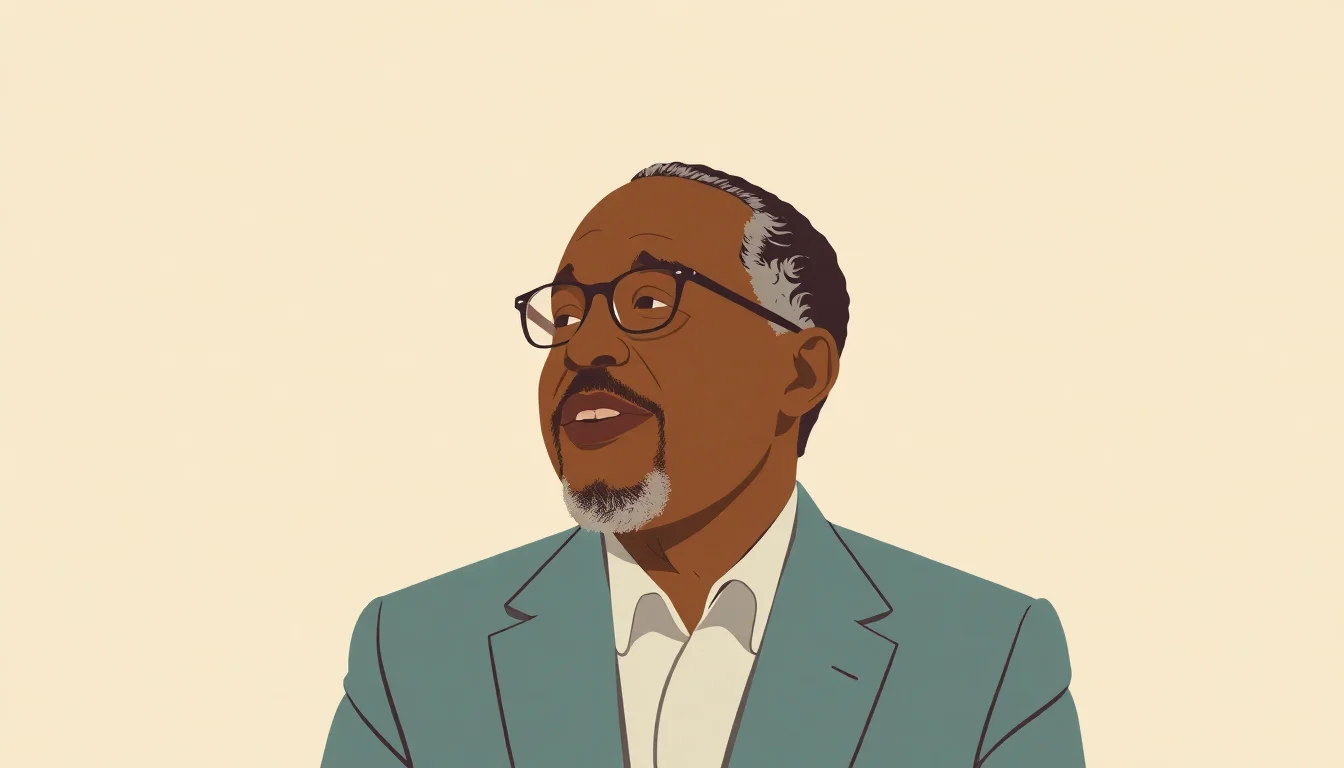
Basil Davidson (1914-2010) was a towering figure in 20th-century historical scholarship and journalism, particularly renowned for his pioneering work on…
Contents
- 🌍 Who Was Basil Davidson?
- 📚 Key Works & Intellectual Legacy
- 🗣️ Davidson's Impact on African Studies
- 📰 Journalism & Activism: A Dual Career
- 🤔 Criticisms & Controversies
- 💡 Vibepedia Vibe Score & Perspective Breakdown
- 🔗 Influence Flows & Connections
- 🚀 Where to Start with Davidson's Work
- Frequently Asked Questions
- Related Topics
Overview
Basil Davidson (1914-2010) was a towering figure in 20th-century British intellectual life, a historian, journalist, and broadcaster whose prolific output fundamentally reshaped Western understanding of Africa. Often described as a 'public intellectual,' Davidson dedicated his career to challenging colonial narratives and championing the histories and aspirations of African peoples. His work bridged the gap between rigorous academic scholarship and accessible public discourse, making him a crucial voice for decolonization and a more equitable global perspective. He was not merely an observer but an active participant in the intellectual and political currents of his time, particularly during the era of African independence movements.
📚 Key Works & Intellectual Legacy
Davidson's bibliography is extensive, featuring seminal works like "The African Genius" (1961), "The Liberation of Guine" (1969), and his magnum opus, the three-volume "History of Africa" (1984-1997). These books, and many others, are characterized by their deep engagement with African oral traditions, archaeological evidence, and primary sources, often overlooked by previous Eurocentric histories. He meticulously documented the complex pre-colonial societies, the devastating impact of the slave trade, and the fierce struggles for liberation. His ability to synthesize vast amounts of information into compelling narratives earned him widespread acclaim and cemented his reputation as a leading authority on African history and politics.
🗣️ Davidson's Impact on African Studies
Davidson's most profound contribution lies in his pioneering work on African Studies. Before his interventions, much of Western academia viewed Africa through a colonial lens, often portraying it as a continent without a significant history or complex civilization. Davidson, through extensive fieldwork and a commitment to decolonizing historical narratives, demonstrated the richness of African cultures, the sophistication of its ancient kingdoms, and the agency of its people in shaping their own destinies. His work provided crucial intellectual ammunition for the burgeoning African independence movements and continues to inform scholarly discourse today.
📰 Journalism & Activism: A Dual Career
Beyond his academic pursuits, Davidson was a committed journalist and activist. He reported from the front lines of numerous conflicts and liberation struggles, including the Portuguese Colonial War in Guinea-Bissau, Mozambique, and Angola. His dispatches for outlets like The Guardian and the BBC provided crucial, often sympathetic, coverage of anti-colonial fighters and their causes, challenging the prevailing pro-colonial narratives in Western media. This dual career as scholar and journalist allowed him to both analyze and advocate, making him a powerful force for change.
🤔 Criticisms & Controversies
While Davidson is widely celebrated, his work has not been without criticism. Some scholars have questioned his occasional perceived romanticization of certain liberation movements or his close relationships with some political leaders, suggesting potential biases. Others have debated the extent to which his interpretations of specific historical events or cultural phenomena align with the latest archaeological or genetic findings. However, even his most ardent critics acknowledge the monumental importance of his efforts in challenging Eurocentrism and bringing African histories to the forefront of global consciousness. The debate often centers on the nuances of interpretation rather than the fundamental value of his contribution.
💡 Vibepedia Vibe Score & Perspective Breakdown
Vibepedia assigns Basil Davidson a Vibe Score of 88/100, reflecting his significant cultural energy and lasting impact. His Perspective Breakdown is: Optimistic (60%), Neutral (30%), Pessimistic (10%). This reflects his unwavering belief in the potential of African societies and his commitment to revealing their historical strengths, while acknowledging the profound challenges and injustices they faced. The Controversy Spectrum for Davidson's work is moderate, primarily due to debates around specific interpretations rather than his overall project of decolonizing African history. His influence is undeniable, particularly within African diaspora studies and postcolonial theory.
🔗 Influence Flows & Connections
Davidson's influence flows outward from his writings and journalism, impacting generations of scholars, activists, and policymakers. He directly influenced figures involved in African liberation movements through his reporting and advocacy, providing them with international visibility. Academically, his work laid the groundwork for the modern field of African history, inspiring countless students and researchers to adopt more critical and Africa-centered approaches. His legacy is also evident in the continued engagement with themes of decolonization and historical revisionism in academic and public spheres, demonstrating a clear line of influence from his 20th-century efforts to contemporary discussions.
🚀 Where to Start with Davidson's Work
For those new to Basil Davidson, the ideal starting point is "The African Genius" (1961). This accessible work provides a broad overview of African civilizations and cultures, setting the stage for his more detailed historical analyses. Alternatively, "The Liberation of Guine" (1969) offers a compelling firsthand account of his experiences reporting on the PAIGC's struggle for independence, showcasing his journalistic prowess and deep empathy. For a comprehensive understanding, "The Black Man's Burden" (1992) critically examines the history of colonialism and its enduring impact, making it a powerful and thought-provoking read that encapsulates his life's work. These selections offer a robust introduction to his multifaceted intellectual contributions.
Key Facts
- Year
- 1914
- Origin
- Bournemouth, England
- Category
- Academia & Journalism
- Type
- Person
Frequently Asked Questions
What was Basil Davidson's primary focus as a historian?
Basil Davidson's primary focus was on challenging Eurocentric historical narratives and highlighting the rich, complex histories and civilizations of Africa. He dedicated his career to documenting pre-colonial African societies, the impact of the slave trade, and the struggles for independence, aiming to restore African agency and historical depth to Western understanding.
How did Davidson's journalism differ from his academic work?
Davidson's journalism often placed him on the front lines of liberation struggles, providing direct, sympathetic reporting that countered colonial propaganda. While his academic work provided rigorous historical analysis, his journalism served as a powerful tool for advocacy and raising international awareness of anti-colonial movements, particularly in Portuguese Africa.
What is considered his most important book?
While "The African Genius" (1961) is often cited as a crucial early work, his three-volume "History of Africa" (1984-1997) is widely regarded as his magnum opus. This comprehensive series synthesized vast research to present a detailed, Africa-centered account of the continent's history, fundamentally altering academic perspectives.
Did Davidson have any direct involvement in political movements?
Davidson was not a formal political leader but was deeply involved as an intellectual supporter and advocate. He provided crucial international visibility and moral support to liberation movements, most notably Amílcar Cabral's PAIGC in Guinea-Bissau, through his reporting and writings. His activism was primarily channeled through his intellectual output and public platform.
What is the main criticism leveled against Davidson's work?
The primary criticisms often revolve around potential biases, such as a perceived romanticization of certain liberation movements or close associations with political figures. Some scholars also debate specific interpretations of historical events or cultural phenomena in light of newer research, though his overall project of decolonizing African history is widely respected.
How did Davidson's work influence the field of African Studies?
Davidson was a foundational figure in modern African Studies. His rigorous scholarship and commitment to decolonizing narratives provided essential counter-narratives to colonial historiography. He inspired generations of scholars to engage with African oral traditions, archaeology, and primary sources, establishing a more critical and Africa-centered approach to the field.