
Contents
Overview
Beeswax, scientifically known as cera alba, is a natural wax meticulously crafted by worker bees of the genus Apis to construct their hives. This remarkable substance has been a cornerstone of human civilization for millennia. From its early use as the 'first plastic' in prehistoric societies to its role in lost-wax casting, waterproofing, and as a key ingredient in cosmetics and candles, beeswax's utility is vast. It's even recognized as a food additive (E901) in many regions, though its indigestibility limits its nutritional value. Despite the rise of synthetic alternatives, beeswax continues to hold significant cultural and practical importance, maintaining a robust global market.
🎵 Origins & History
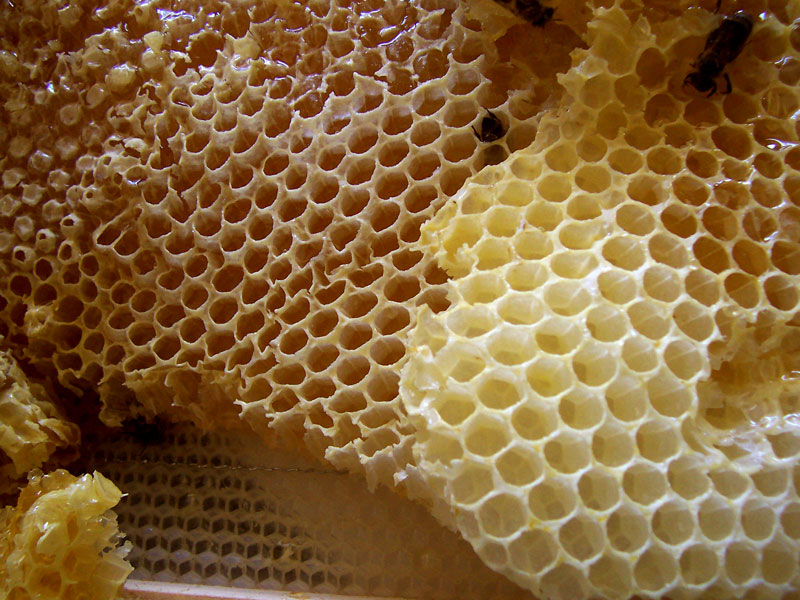
The story of beeswax begins with the humble honey bee, specifically worker bees of the genus Apis, who secrete it to construct the hexagonal cells that form the iconic beehive structure, serving as both storage for honey and a nursery for brood. Archaeological evidence suggests human interaction with beeswax dates back thousands of years, with findings indicating its use in pottery and as a sealant. Ancient Egyptians employed beeswax in embalming rituals and cosmetics, while the Romans utilized it for writing tablets and as a component in paints. Its role as a lubricant and waterproofing agent was recognized across numerous ancient cultures, predating many modern chemical compounds.
⚙️ How It Works
The intricate process of beeswax production is a marvel of insect engineering. Worker bees between 12 and 17 days old possess specialized wax glands that convert sugars from nectar into a liquid wax. This liquid hardens into thin, translucent scales upon contact with air. These scales are then chewed and manipulated by the bees, mixing them with saliva and propolis to achieve the desired plasticity and adhesive qualities for hive construction. The resulting honeycomb is a testament to this biological process, forming a structure that is both incredibly strong and remarkably lightweight, capable of withstanding significant loads and temperature fluctuations.
📊 Key Facts & Numbers
Globally, the production of beeswax is a significant agricultural byproduct. The market value of beeswax has seen steady growth. The price per pound can range significantly, depending on purity, color, and origin, with refined beeswax commanding higher prices.
👥 Key People & Organizations
While no single individual 'invented' beeswax, its historical significance is tied to countless artisans and industries. Early proponents of encaustic painting relied heavily on beeswax as a binder for pigments. In the realm of beekeeping, figures like Lorenzo Langstroth, often called the 'father of American beekeeping,' revolutionized hive design in the mid-19th century, indirectly impacting beeswax availability. Modern beekeeping organizations, like the National Honey Board and the American Beekeeping Federation, play crucial roles in promoting sustainable beekeeping practices and advocating for beeswax producers. Companies such as Star Anise Beeswax and Golden Beeswax Company are prominent commercial suppliers.
🌍 Cultural Impact & Influence
Beeswax has woven itself into the fabric of human culture, appearing in art, literature, and everyday rituals. Its use in encaustic painting, a technique revived by artists like Jasper Johns in the 20th century, allows for unique textural and luminous effects. For centuries, beeswax candles were the premium choice for illumination, prized for their clean burn and pleasant scent, often used in religious ceremonies and significant events. Its presence in cosmetics and skincare dates back to ancient Cleopatra's era, valued for its emollient and protective properties. The very concept of the beehive, built from beeswax, has become a potent symbol of community, industry, and natural order across various cultures.
⚡ Current State & Latest Developments
The current landscape for beeswax is dynamic, influenced by both agricultural trends and consumer demand for natural products. In 2024, there's a notable surge in demand for beeswax in the cosmetics and personal care sectors, driven by the 'clean beauty' movement. Beekeepers are increasingly focused on sustainable harvesting methods to ensure the health of bee populations, particularly in light of widespread Colony Collapse Disorder concerns. Innovations in refining techniques are yielding higher-purity beeswax, opening new applications in pharmaceuticals and advanced materials. The global supply chain, however, remains susceptible to factors like climate change and pesticide use, which can impact bee populations and, consequently, beeswax availability.
🤔 Controversies & Debates
The primary controversy surrounding beeswax centers on sustainability and ethical sourcing. Critics question whether current harvesting levels are truly sustainable for bee colonies, especially with increasing global demand. There are also concerns about adulteration, where cheaper waxes or paraffin are mixed with genuine beeswax to cut costs, a practice that deceems consumers and devalues authentic producers. Furthermore, the impact of intensive beekeeping practices on wild bee populations and biodiversity is a subject of ongoing scientific debate. The use of beeswax in food (E901) also faces scrutiny from those advocating for purely plant-based diets, though its negligible toxicity is widely accepted by regulatory bodies like the FDA.
🔮 Future Outlook & Predictions
The future of beeswax appears bright, albeit with challenges. Continued growth in the natural cosmetics and pharmaceutical industries is expected to drive demand. Researchers are exploring novel applications for beeswax, including its potential as a biodegradable packaging material and as a component in drug delivery systems, building on its biocompatibility. Advances in beekeeping technology, such as AI-powered hive monitoring, could lead to more efficient and sustainable beeswax production. However, the long-term viability hinges on addressing the threats to bee health, including neonicotinoid pesticides and habitat loss, which could fundamentally alter the supply of this ancient material.
💡 Practical Applications
Beeswax's practical applications span an astonishing range. In cosmetics, it's a staple in lip balms, lotions, and creams for its moisturizing and emollient properties. Artisans use it for wood polishing, leather conditioning, and as a component in natural crayons and paints. Historically, it was crucial for lost-wax casting in metallurgy and for creating durable seals on documents. Today, it finds use in the pharmaceutical industry as a coating for pills and in the food industry as a glazing agent (E901) for fruits and candies. Candle making remains a significant application, with beeswax candles prized for their natural scent and long burn time, often preferred over paraffin candles due to concerns about air quality.
Key Facts
- Category
- nature
- Type
- product