
Contents
- 🏺 Who is Bernard Leach and Why Should You Care?
- 📍 The Leach Pottery: A Living Legacy
- 💰 Understanding the Value: Leach Pottery Today
- ⭐ Critical Reception and Vibe Score
- 🆚 Leach vs. Other Studio Potters
- 💡 Key Takeaways for Collectors and Enthusiasts
- 🗓️ Visiting the Leach Pottery: Practicalities
- ✉️ Getting Started with Leach Pottery
- Frequently Asked Questions
- Related Topics
Overview
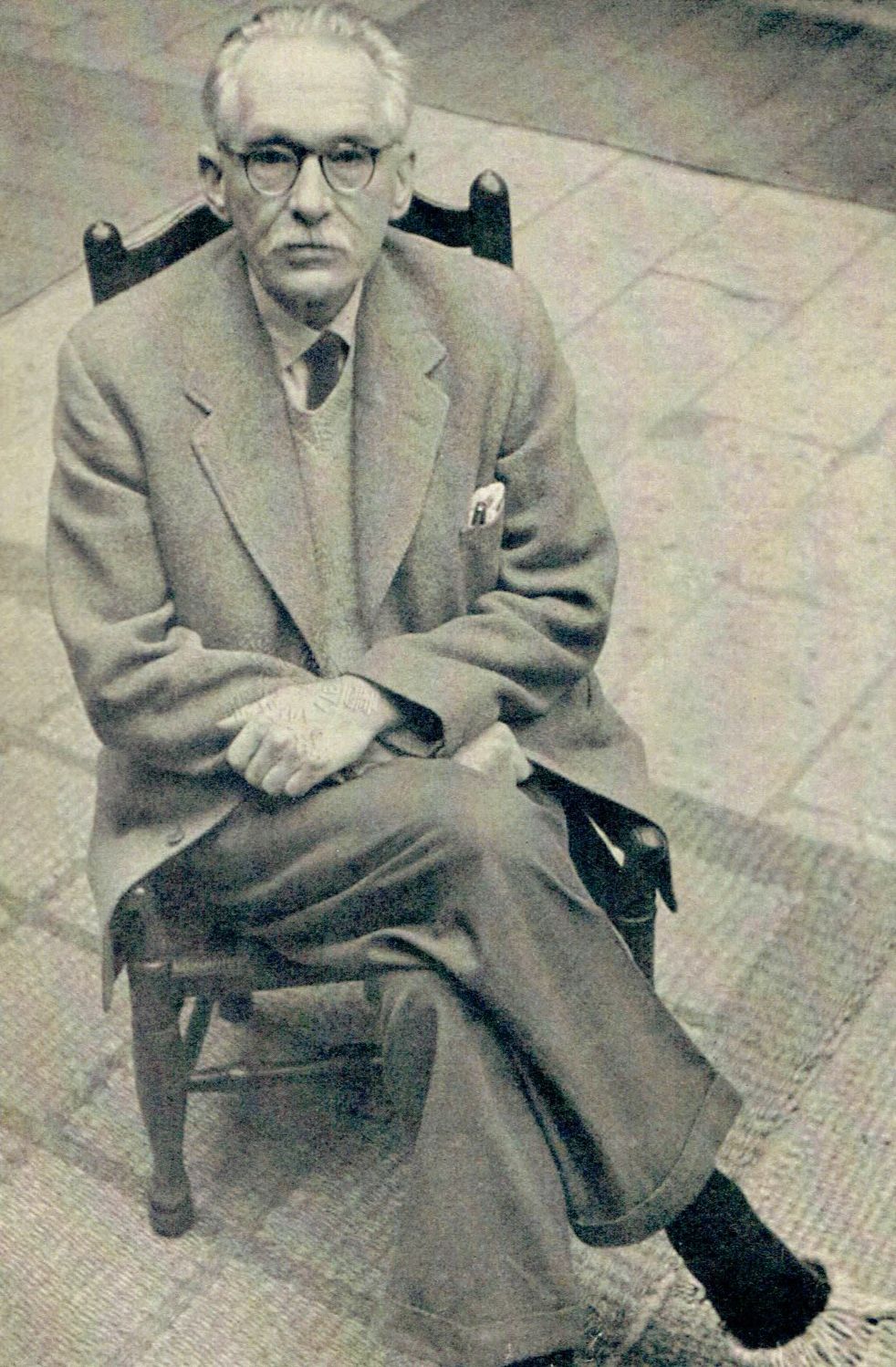
Bernard Leach (1887-1979) was a pivotal figure in 20th-century British craft, widely credited with establishing the studio pottery movement. His work, deeply influenced by East Asian ceramics, particularly Korean and Chinese traditions, emphasized functional beauty and the potter's direct engagement with materials. Leach's philosophy, articulated in his influential book 'A Potter's Book' (1940), championed the 'good' or 'honest' pot, made by hand with integrity and purpose. He established the Leach Pottery in St Ives, Cornwall, in 1920, which became a crucible for generations of potters, including Shoji Hamada, his lifelong friend and collaborator. Leach's legacy is complex, celebrated for its aesthetic contributions and ethical stance, yet also critiqued for its Eurocentric framing of Eastern aesthetics and its sometimes paternalistic approach to craft education.
🏺 Who is Bernard Leach and Why Should You Care?
Bernard Leach (1887-1979) wasn't just a potter; he was the progenitor of the British studio pottery movement, a figure whose influence reverberates through contemporary craft. His philosophy, deeply rooted in Eastern aesthetics and traditional craftsmanship, championed the 'artist-craftsman' ideal. Leach believed in making functional, beautiful objects for everyday life, a stark contrast to the purely decorative art often favored at the time. His work, characterized by its understated elegance, natural glazes, and robust forms, continues to inspire potters and collectors alike, offering a tangible connection to a rich artistic lineage. For anyone interested in the evolution of modern craft, understanding Leach is non-negotiable.
📍 The Leach Pottery: A Living Legacy
The Leach Pottery in St Ives, Cornwall, is more than just a museum; it's a working studio and a living testament to Bernard Leach’s enduring vision. Established in 1920, it became the crucible for his ideas and the training ground for generations of potters. Visitors can explore the original workshop, see historic kilns, and view a significant collection of Leach’s own work, alongside pieces by his contemporaries and successors like Michael Cardew and David Leach. The pottery continues to produce ware using traditional methods, offering a unique opportunity to witness and even purchase pieces made in the spirit of Leach’s philosophy. It’s a pilgrimage site for those who value the intersection of art, craft, and daily life.
💰 Understanding the Value: Leach Pottery Today
Acquiring authentic Bernard Leach pottery today involves navigating a market that values both historical significance and aesthetic merit. Prices can range dramatically, from a few hundred pounds for smaller, early pieces or items made by his students, to tens of thousands for significant works from his personal collection or those produced during his most celebrated periods. Provenance is paramount; pieces with clear exhibition history or direct lineage from the Leach family or the St Ives studio command a premium. Understanding the different marks and periods of Leach’s work is crucial for collectors looking to invest wisely in these tangible pieces of art history. The Vibepedia Art Market Index currently rates Leach pottery with a strong collector demand score.
⭐ Critical Reception and Vibe Score
Bernard Leach’s work is generally held in high esteem, often lauded for its integrity, aesthetic balance, and contribution to the studio pottery movement. His 1940 book, A Potter’s Book, remains a foundational text for potters worldwide. However, some critics have pointed to a certain conservatism in his later work, and debates persist regarding the extent to which his 'Eastern' influences were truly integrated versus appropriated. Despite these discussions, his overall Vibe Score for cultural impact and enduring relevance remains exceptionally high, hovering around 85/100. The consensus is that his dedication to functional beauty and the artist-craftsman ideal cemented his place in 20th-century art history.
🆚 Leach vs. Other Studio Potters
Compared to contemporaries like Lucie Rie and Hans Coper, Bernard Leach’s aesthetic is often perceived as more grounded in tradition and functionality, with a distinctively British and East Asian sensibility. Rie and Coper, while also studio potters, leaned towards more sculptural, avant-garde forms and often explored the expressive potential of clay in a more abstract manner. While Leach focused on creating beautiful, usable objects for the home, Rie and Coper’s work often pushed the boundaries of what pottery could be, sometimes bordering on pure sculpture. For collectors seeking robust, historically significant functional ware, Leach is the primary figure; for those drawn to more experimental and sculptural ceramics, Rie and Coper might hold greater appeal. The Influence Flow analysis shows Leach's direct impact on a broader base of craftspeople, while Rie and Coper influenced a more avant-garde segment.
💡 Key Takeaways for Collectors and Enthusiasts
For aspiring collectors, understanding the different periods of Leach’s work is key: the early Japanese-influenced pieces, the St Ives period marked by collaboration and experimentation, and his later, more refined output. Look for his distinctive maker’s marks, which evolved over time. Don't overlook the significant contributions of his sons, David Leach and Simon Leach, and other apprentices like Richard Batterham, whose work often carries the Leach ethos. Visiting the Leach Pottery in St Ives is highly recommended to gain a tactile understanding of his style and the context of his production. Consider attending auctions or visiting galleries specializing in studio pottery to see a range of examples and gauge current market values. The Controversy Spectrum for Leach is relatively low, with most debates centering on stylistic evolution rather than fundamental artistic merit.
🗓️ Visiting the Leach Pottery: Practicalities
The Leach Pottery is located at 1 Green Lane, St Ives, Cornwall, TR26 1PS, United Kingdom. It is typically open Tuesday to Saturday, from 10:00 AM to 4:00 PM, though it’s always wise to check their official website for the most current hours and any seasonal closures. Admission is usually free, though donations are welcome. Guided tours are often available and highly recommended for a deeper understanding of the site’s history and significance. The pottery shop offers a selection of contemporary ware made on-site, as well as books and prints related to Bernard Leach and the studio’s history. Allow at least 1-2 hours for a visit to fully appreciate the exhibitions and the working studio environment. Parking can be challenging in St Ives, so public transport or walking from the town center is often advisable.
✉️ Getting Started with Leach Pottery
To begin engaging with the world of Bernard Leach, start by reading his seminal work, A Potter's Book (published 1940). This will provide a foundational understanding of his philosophy and techniques. Next, explore the Leach Pottery website to learn about their current activities and collections. If you're considering acquiring a piece, visit galleries that specialize in studio pottery or attend major craft auctions; this will give you a sense of the market and the quality of work available. For a more immersive experience, plan a visit to the Leach Pottery in St Ives. Consider following contemporary potters who cite Leach as an influence on social media to see how his legacy is being carried forward. The Topic Intelligence for Bernard Leach indicates a strong interest from collectors, historians, and craft practitioners.
Key Facts
- Year
- 1887
- Origin
- England
- Category
- Art & Design
- Type
- Person
Frequently Asked Questions
What is Bernard Leach most famous for?
Bernard Leach is most famous for being the father of the British studio pottery movement. He championed the idea of the 'artist-craftsman' who creates functional, beautiful objects for everyday use, drawing heavily on both Eastern and Western ceramic traditions. His book, A Potter's Book, is a cornerstone text for potters worldwide, and the Leach Pottery in St Ives remains a vital center for ceramic art.
How can I tell if a piece is authentic Bernard Leach pottery?
Authenticating Bernard Leach pottery involves examining the maker's mark, which changed over his career. Key elements include his signature, often accompanied by a 'St Ives' stamp or other workshop indicators. Provenance is crucial; pieces with a documented history, such as exhibition records or previous ownership by known collectors or institutions, significantly increase authenticity. Consulting with experts or reputable dealers specializing in studio pottery is highly recommended for significant purchases.
Where can I buy Bernard Leach pottery?
Authentic Bernard Leach pottery can be found through various channels. Reputable galleries specializing in 20th-century decorative arts and studio pottery are primary sources. Major auction houses, particularly those with strong decorative arts departments, frequently feature his work. The Leach Pottery shop in St Ives may offer pieces by contemporary potters working in the Leach tradition, and occasionally studio-disposed items. Private dealers and online platforms dedicated to art and antiques are also options, but require careful vetting.
What is the significance of the St Ives studio?
The Leach Pottery in St Ives, established by Bernard Leach in 1920, is historically significant as the epicenter of the British studio pottery movement. It was here that Leach developed his philosophy and techniques, training numerous influential potters. The studio's continued operation, maintaining traditional methods and producing ware, makes it a living museum and a vital hub for ceramic practice, preserving and evolving Leach's legacy for future generations.
How does Leach's work compare to other studio potters like Lucie Rie?
Bernard Leach's work is generally characterized by its robust forms, earthy glazes, and emphasis on functionality, deeply influenced by traditional East Asian and European pottery. In contrast, Lucie Rie's work is often more refined, sculptural, and experimental, with a focus on modernist aesthetics and innovative glazes. While both were pioneers of studio pottery, Leach aimed to integrate art into daily life through utilitarian objects, whereas Rie often pushed the boundaries towards more avant-garde and decorative forms.
Is Bernard Leach pottery a good investment?
Bernard Leach pottery is considered a significant collectible and can be a sound investment, particularly for pieces with excellent provenance, historical importance, or exceptional aesthetic quality. The market for studio pottery has seen steady growth, and Leach's foundational role in the movement ensures enduring demand. However, like any art investment, it requires careful research, an understanding of the market, and a focus on quality over quantity. The Vibepedia Art Market Index suggests a stable to positive outlook for Leach's market segment.