
Contents
- 🎵 Origins & History
- ⚙️ How It Works
- 📊 Key Facts & Numbers
- 👥 Key People & Organizations
- 🌍 Cultural Impact & Influence
- ⚡ Current State & Latest Developments
- 🤔 Controversies & Debates
- 🔮 Future Outlook & Predictions
- 💡 Practical Applications
- 📚 Related Topics & Deeper Reading
- Frequently Asked Questions
- References
- Related Topics
Overview
The genesis of Bethlem Royal Hospital can be traced back to 1247, when the priory of St Mary of Bethlehem in the City of London was established. Initially, it served as a charitable institution, but by the 14th century, it began admitting individuals with mental illnesses. Its early years were marked by a rudimentary approach to care, often involving confinement rather than treatment. The hospital underwent several relocations, moving to Moorfields in 1676 and then to St George's Fields in Southwark in 1815, each move reflecting evolving architectural and societal views on mental health institutions. The infamous nickname 'Bedlam' emerged from the common pronunciation of Bethlehem, becoming a byword for the disorder and suffering that characterized many such asylums of the era. The hospital’s long history is a microcosm of the broader evolution of psychiatric care, from custodial confinement to therapeutic intervention.
⚙️ How It Works
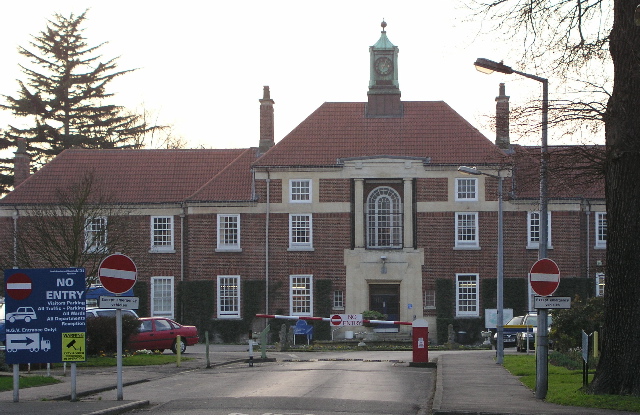
In its historical context, 'Bedlam' functioned primarily as a place of confinement for individuals deemed mentally unsound. Early 'treatments' were often harsh, including restraint, bleeding, and purging, reflecting the limited understanding of mental illness. Patients were sometimes exhibited to the public for a fee, a practice that contributed to its notoriety. Over centuries, the hospital's operational model shifted. By the 19th century, reforms began to introduce more humane conditions and rudimentary therapeutic approaches. The modern Bethlem Royal Hospital, located in Monks Orchard, Bromley, operates as a specialized psychiatric facility within the National Health Service (NHS). It houses acute psychiatric wards, specialist services for conditions like eating disorders and personality disorders, and is a hub for psychiatric research, collaborating closely with academic partners to advance understanding and treatment of mental health conditions.
📊 Key Facts & Numbers
Founded in 1247, Bethlem Royal Hospital is one of the oldest psychiatric institutions globally, with over 770 years of continuous operation. In its peak years of public exhibition, it's estimated that tens of thousands of visitors paid to see the 'inmates' annually. By the mid-19th century, the hospital housed over 1,000 patients. Today, the Bethlem Royal Hospital campus is part of the South London and Maudsley NHS Foundation Trust, which manages a budget exceeding £700 million annually and serves a population of over 1.6 million people in South London. The hospital is a key site for the National Institute for Health and Care Research (NIHR) Biomedical Research Centre for Mental Health, which receives significant government funding for its research initiatives.
👥 Key People & Organizations
Key figures associated with Bethlem are numerous, reflecting its long and complex history. Early benefactors and administrators played crucial roles in its establishment and early development. In the 19th century, reformers like John Conolly advocated for more humane treatment, leading to the abolition of mechanical restraints. More recently, the hospital has been a nexus for leading psychiatrists and researchers, including figures associated with King's College London and the Institute of Psychiatry, Psychology and Neuroscience. The South London and Maudsley NHS Foundation Trust is the overarching organization responsible for its current operation, representing a vast network of mental health services.
🌍 Cultural Impact & Influence
The name 'Bedlam' has indelibly entered the English lexicon, becoming a universal term for a scene of uproar, chaos, and madness. This cultural resonance stems from centuries of public perception, fueled by sensationalized accounts and the historical practice of exhibiting patients. Literary works, from early pamphlets to modern novels, have drawn inspiration from the asylum's grim reputation. Hollywood has also capitalized on the 'Bedlam' mystique, with notable films like the 1946 horror film 'Bedlam' starring Boris Karloff and numerous television series depicting its supposed horrors. This pervasive cultural image, while often inaccurate regarding the hospital's actual therapeutic efforts, has profoundly shaped public understanding and discourse surrounding mental illness and institutions.
⚡ Current State & Latest Developments
In the 21st century, Bethlem Royal Hospital is a state-of-the-art facility focused on advanced mental healthcare and research. It is a cornerstone of the South London and Maudsley NHS Foundation Trust, one of the largest mental health trusts in the UK. The hospital continues its close affiliation with King's College London and the Institute of Psychiatry, Psychology and Neuroscience, actively participating in cutting-edge research funded by bodies like the Medical Research Council. Current developments focus on personalized medicine, digital therapeutics, and understanding the neurobiological underpinnings of severe mental illnesses. The hospital is also part of the King's Health Partners academic health science centre, fostering collaboration across clinical care, research, and education.
🤔 Controversies & Debates
The history of Bethlem Royal Hospital is rife with controversy, primarily concerning its early custodial practices and the public exhibition of patients. Accusations of neglect, mistreatment, and inhumane conditions were common throughout much of its existence, leading to public outcry and calls for reform. The very name 'Bedlam' became a pejorative, symbolizing the worst aspects of asylums. Debates continue regarding the ethical implications of historical psychiatric practices, the long-term impact of institutionalization, and the balance between public safety and patient rights. While modern Bethlem operates under strict ethical guidelines and a therapeutic model, its historical legacy remains a subject of critical examination and debate within the fields of mental health and medical history.
🔮 Future Outlook & Predictions
The future of Bethlem Royal Hospital is intrinsically linked to advancements in psychiatric research and evolving models of mental healthcare. As a leading research institution, it is poised to contribute significantly to understanding and treating complex mental health conditions, potentially leading to novel therapeutic interventions. The trend towards community-based care and deinstitutionalization may see the physical hospital campus evolve, perhaps focusing more on highly specialized inpatient services and research facilities rather than broad custodial care. Collaborations with technology firms and AI developers are also likely to increase, integrating digital tools into diagnostics, treatment, and patient monitoring. The hospital's enduring legacy suggests a continued role in shaping the future of mental health, albeit in forms that may differ significantly from its medieval origins.
💡 Practical Applications
Bethlem Royal Hospital's primary practical application lies in its role as a provider of specialized mental healthcare and a center for psychiatric research. It offers acute inpatient services for individuals experiencing severe mental health crises, as well as long-term care and rehabilitation for those with chronic conditions. Beyond direct patient care, its research arm develops and tests new treatments for conditions such as schizophrenia, bipolar disorder, and depression. The hospital also serves as a vital training ground for psychiatrists, psychologists, nurses, and other mental health professionals, disseminating knowledge and best practices across the healthcare sector. Its work contributes to public health initiatives aimed at reducing the stigma associated with mental illness and improving access to care.
Key Facts
- Year
- 1247
- Origin
- London, England
- Category
- history
- Type
- place
Frequently Asked Questions
What is Bethlem Royal Hospital most famous for?
Bethlem Royal Hospital is most famous for its long and often notorious history as one of the world's oldest institutions for the mentally ill, giving rise to the common term 'Bedlam' for a scene of chaos. Its legacy spans over seven centuries, from medieval confinement to its current role as a leading psychiatric research center. The hospital's name and reputation have been deeply embedded in popular culture, influencing literature and film, most notably the 1946 movie 'Bedlam' starring Boris Karloff, which amplified its image as a place of horror and madness.
When was Bethlem Royal Hospital founded and where was it originally located?
Bethlem Royal Hospital was founded in 1247, originally as a priory of St Mary of Bethlehem located just outside the City of London's walls in the Bishopsgate Without area. Its initial purpose was charitable, but it gradually evolved to include the care of individuals with mental health conditions. Over the centuries, it underwent several relocations, moving to Moorfields in 1676 and then to St George's Fields in Southwark in 1815, before settling in its current location in Monks Orchard, Bromley.
How has the treatment of patients at Bethlem changed over time?
Treatment at Bethlem has undergone a dramatic transformation. In its early centuries, care was largely custodial, involving confinement, restraint, and rudimentary, often harsh, physical interventions. Patients were sometimes exhibited to the public. The 19th century saw significant reforms, influenced by figures like John Conolly, leading to the abolition of mechanical restraints and a move towards more humane conditions and early therapeutic approaches. Today, Bethlem Royal Hospital operates as a modern psychiatric facility within the NHS, focusing on evidence-based treatments, psychotherapy, and advanced psychiatric research, reflecting a complete shift from its historical custodial model.
What is the cultural significance of the name 'Bedlam'?
The name 'Bedlam' has transcended its origin as the nickname for Bethlem Royal Hospital to become a universally recognized term for a scene of uproar, chaos, and madness. This widespread cultural association stems from centuries of public perception, sensationalized accounts, and the historical practice of exhibiting patients. The term has been widely adopted in literature, art, and everyday language to describe any situation characterized by extreme disorder or frantic activity. While this cultural impact is undeniable, it often overshadows the hospital's long history of evolving therapeutic practices and its current role in cutting-edge psychiatric research.
What is Bethlem Royal Hospital's role in modern psychiatric research?
Bethlem Royal Hospital is a pivotal center for modern psychiatric research, operating as part of the South London and Maudsley NHS Foundation Trust. It is closely affiliated with King's College London and the Institute of Psychiatry, Psychology and Neuroscience, and is a key site for the NIHR Biomedical Research Centre for Mental Health. Research at Bethlem focuses on understanding the biological, psychological, and social factors underlying severe mental illnesses, developing new diagnostic tools, and testing innovative treatments for conditions like schizophrenia, bipolar disorder, and depression. This academic-research focus positions it at the forefront of advancing mental healthcare.
Is Bethlem Royal Hospital still a place where patients are publicly exhibited?
Absolutely not. The practice of publicly exhibiting patients at Bethlem Royal Hospital, which was common in earlier centuries and contributed significantly to its notorious reputation, was abolished long ago. Modern psychiatric hospitals, including Bethlem, adhere to strict ethical guidelines that prioritize patient privacy, dignity, and well-being. The hospital now functions as a specialized psychiatric institution focused on providing therapeutic care and conducting advanced research, with no element of public exhibition or sensationalism.
What are the main controversies surrounding Bethlem's history?
The primary controversies surrounding Bethlem's history revolve around its early custodial practices and the public exhibition of patients, which led to widespread accusations of inhumane conditions, neglect, and mistreatment. The hospital's name became synonymous with the perceived horrors of asylums, fueling public fear and stigma. Debates persist regarding the ethical justification of historical psychiatric interventions, the long-term psychological impact of institutionalization on former patients, and the challenges of balancing public safety with individual patient rights. While the hospital has undergone significant reforms, its historical legacy continues to be a subject of critical historical and ethical inquiry.