
Contents
Overview
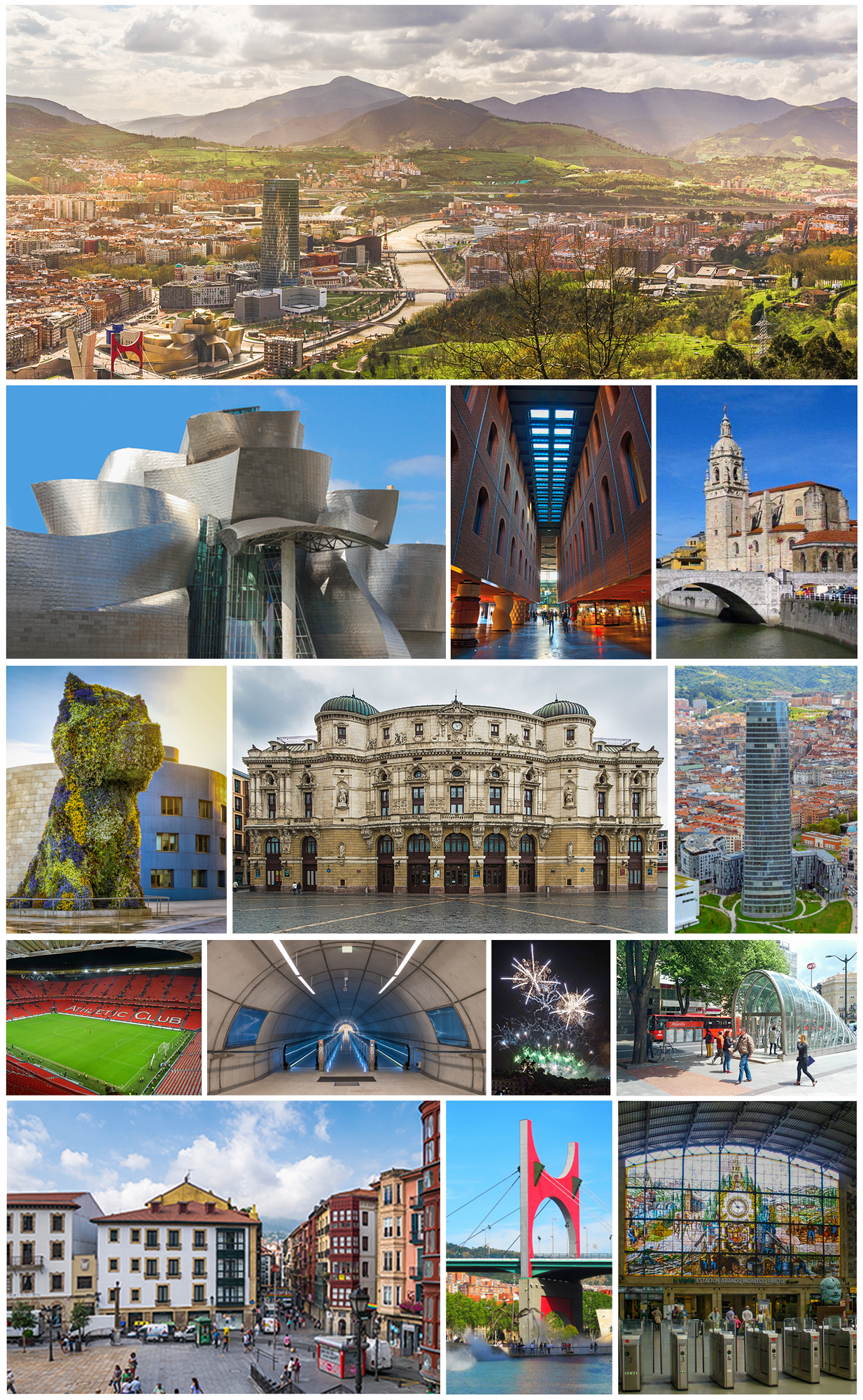
Bilbao, a major city in Spain's Basque Country, is renowned for its dramatic transformation from a gritty industrial port to a vibrant cultural and architectural hub. Situated on the estuary of the Nervión River, this northern Spanish metropolis has shed its industrial past, marked by heavy manufacturing and shipbuilding, to embrace a future defined by art, design, and innovation. The city's revitalization, famously spearheaded by the Guggenheim Museum Bilbao, has become a global case study in urban regeneration. Bilbao's strategic location, nestled between mountains and the Bay of Biscay, influences its mild climate and provides a unique geographical backdrop for its dynamic urban landscape. It stands as a testament to the power of strategic investment and cultural vision in reshaping a city's identity and economic trajectory.
🎵 Origins & History
The origins of Bilbao trace back to the medieval period. For centuries, Bilbao thrived as a crucial commercial center, leveraging its strategic position on the Nervión River estuary to facilitate trade, particularly in iron ore, which fueled the industrial revolution in the Basque Country. By the late 19th and early 20th centuries, Bilbao had become a powerhouse of heavy industry, dominated by shipbuilding, steel production, and mining. This era of intense industrial activity, while bringing economic prosperity, also led to significant environmental degradation and a reputation as a working-class, utilitarian city, a far cry from its current cosmopolitan image. The city's growth was intrinsically linked to the Basque industrial spirit and its distinct cultural identity.
⚙️ Urban Transformation
Bilbao's metamorphosis is one of the most celebrated urban regeneration projects of the late 20th century. Facing economic challenges, the city embarked on an ambitious plan to reinvent itself. The cornerstone of this strategy was a massive investment in infrastructure and culture, most notably the decision to commission the Guggenheim Museum Bilbao. The museum's striking titanium structure acted as a catalyst, attracting international attention and spurring further development. This deliberate shift towards a service-based economy, centered on tourism, culture, and technology, has fundamentally reshaped the city's physical and social fabric.
📊 Key Facts & Numbers
Bilbao's GDP per capita has seen significant growth, with estimates placing it well above the national average, largely driven by its successful transition to a post-industrial economy. The city's port, while no longer the primary economic driver, still handles a significant amount of cargo annually, demonstrating a continued, albeit reduced, industrial presence.
👥 Key Figures & Institutions
Several key figures and institutions have been instrumental in shaping Bilbao's identity. The visionary mayor Ibon Areso (and his predecessor Iñaki Azkuna) championed the city's regeneration efforts, prioritizing cultural and architectural projects. The Guggenheim Museum Bilbao, directed by Juan Ignacio Vidarte, remains the most iconic institution, symbolizing the city's new direction. The University of the Basque Country (UPV/EHU) plays a crucial role in research and development, fostering innovation in sectors like biotechnology and advanced manufacturing. Local government bodies, such as the Provincial Council of Biscay, have also been critical in funding and implementing large-scale urban development projects.
🌍 Cultural Impact & Influence
Bilbao's cultural impact extends far beyond its borders, serving as a global model for urban renewal and the power of iconic architecture. The 'Bilbao Effect' has become a widely recognized phenomenon, describing how a single cultural institution can revitalize a city's economy and image. The city's embrace of contemporary art and design has influenced urban planning strategies worldwide, encouraging other cities to invest in signature cultural projects. Bilbao has become a significant destination for architectural tourism, drawing enthusiasts eager to experience its modern landmarks. The city's distinct Basque culture, with its unique language and traditions, adds another layer to its global appeal, offering a rich cultural experience distinct from other Spanish cities.
⚡ Current State & Latest Developments
Bilbao continues to build on its successful transformation, focusing on sustainable development and technological advancement. The city is actively investing in green initiatives, aiming to become a leader in circular economy practices and renewable energy. Efforts are underway to further diversify its economy, with a growing emphasis on sectors like digital technology, creative industries, and advanced services. The Bilbao Exhibition Centre (BEC) remains a key venue for international trade fairs and events, attracting businesses and professionals from around the globe. The city is also enhancing its public spaces and green areas, aiming to improve the quality of life for its residents and maintain its appeal as a desirable place to live and visit.
🤔 Controversies & Debates
While Bilbao's transformation is widely lauded, it is not without its controversies. Critics point to the significant public investment required for projects like the Guggenheim, questioning the long-term economic sustainability and the potential for gentrification that displaces lower-income residents. The 'Bilbao Effect' itself has been debated, with some arguing that it oversimplifies the complex factors involved in urban regeneration and can lead to a focus on superficial architectural spectacle rather than genuine community development. There are also ongoing discussions about the balance between preserving Basque identity and embracing global influences, as well as concerns regarding the environmental impact of large-scale tourism and development. The initial industrial legacy also left behind contaminated sites that require ongoing remediation efforts.
🔮 Future Outlook & Predictions
The future of Bilbao appears poised for continued growth and innovation, with a strong emphasis on sustainability and smart city initiatives. Projections suggest a further increase in tourism and a deepening of its role as a hub for technology and creative industries. The city is exploring opportunities in areas such as artificial intelligence, biotechnology, and advanced materials, aiming to secure its position in the global knowledge economy. There is also a focus on enhancing connectivity, both digitally and physically, with potential expansions to its transportation networks. The ongoing challenge will be to manage this growth responsibly, ensuring that it benefits all residents and preserves the unique cultural and environmental character of the Basque Country, potentially leading to further architectural marvels or a deeper integration of green spaces.
💡 Practical Applications
Bilbao's transformation offers practical applications for urban planners and policymakers worldwide. The city's success demonstrates the efficacy of using large-scale cultural and architectural projects as catalysts for economic revitalization, a strategy often referred to as the 'Bilbao Effect'. It highlights the importance of public-private partnerships in funding and executing ambitious urban development plans. The city's approach to environmental remediation and sustainable urban design provides valuable lessons for industrial cities seeking to transition to greener economies. Furthermore, Bilbao's experience underscores the critical role of strong local leadership and a clear vision in navigating complex urban challenges and rebranding a city's image on the global stage.
Key Facts
- Category
- place
- Type
- topic