
Contents
- 🧬 What Are Biological Pathways?
- 🗺️ Mapping the Inner Universe
- ⚡ Energy Flows: ATP & Metabolism
- 🚦 Signal Relays: Hormones & Neurotransmitters
- 🛠️ Building Blocks: Protein Synthesis & Gene Expression
- 🛡️ Defense Mechanisms: Immune Pathways
- 🔄 Homeostasis: Maintaining Balance
- 🔬 Tools for Exploration
- 💡 The Future of Pathway Research
- 🤔 Common Misconceptions
- Frequently Asked Questions
- Related Topics
Overview
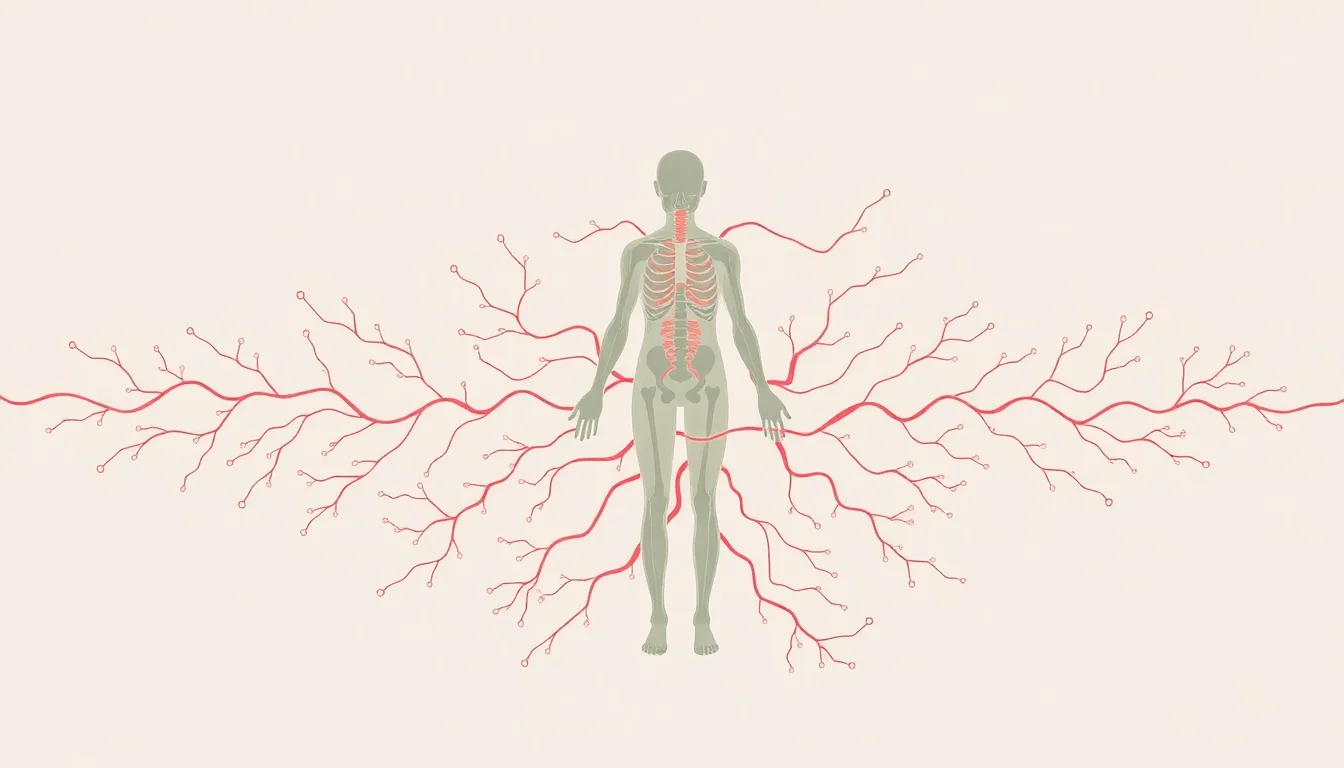
Biological pathways are the intricate, step-by-step sequences of molecular interactions that drive all life processes. Think of them as the body's internal communication network, where signals are passed from one molecule to another to achieve a specific cellular function, like energy production, DNA replication, or immune response. Understanding these pathways is crucial for deciphering health and disease, with implications ranging from drug development to personalized medicine. They are the fundamental blueprints of cellular activity, dictating everything from how your cells grow to how they respond to external stimuli. The complexity is staggering, with thousands of known pathways, each a marvel of evolutionary engineering.
🧬 What Are Biological Pathways?
Biological pathways are the intricate, step-by-step molecular processes that govern life within cells and organisms. Think of them as the body's internal wiring diagram, dictating everything from how you digest food to how your brain processes thoughts. Each pathway involves a series of chemical reactions, often catalyzed by enzymes, where molecules are transformed and signals are relayed. Understanding these pathways is fundamental to comprehending health and disease, forming the bedrock of fields like molecular biology and pharmacology. They are not static; rather, they are dynamic networks that respond to internal and external cues, showcasing the remarkable complexity of living systems.
🗺️ Mapping the Inner Universe
Mapping these pathways is akin to charting an entire universe within each cell. Scientists use a variety of techniques, from genomic sequencing to proteomic analysis, to identify the components and interactions within these molecular circuits. Databases like KEGG (Kyoto Encyclopedia of Genes and Genomes) and Reactome serve as vast atlases, cataloging thousands of known pathways. This ongoing effort reveals how seemingly disparate cellular functions are interconnected, forming a sophisticated web of control. The sheer scale of this endeavor highlights the profound depth of biological organization, a true testament to evolutionary ingenuity.
⚡ Energy Flows: ATP & Metabolism
At the heart of cellular activity lies the flow of energy, primarily orchestrated by adenosine triphosphate (ATP) pathways. Cellular respiration, a cornerstone of metabolism, breaks down glucose and other fuel molecules to generate ATP, the universal energy currency. Glycolysis, the Krebs cycle, and oxidative phosphorylation are key stages in this energy production line. Disruptions in these pathways can lead to conditions like diabetes or mitochondrial disorders, underscoring their critical role in maintaining cellular vitality. The efficiency of these energy-generating pathways is a marvel of biochemical engineering.
🚦 Signal Relays: Hormones & Neurotransmitters
Communication within the body relies heavily on signal transduction pathways, where external stimuli are converted into cellular responses. Hormones, like insulin and adrenaline, travel through the bloodstream to bind to specific receptors, initiating cascades of molecular events. Similarly, neurotransmitters ferry signals across synapses in the nervous system, enabling rapid communication. These pathways are crucial for processes ranging from blood sugar regulation to muscle contraction and mood regulation. Understanding how these signals are transmitted and amplified is key to developing treatments for endocrine and neurological conditions, impacting everything from anxiety to metabolic syndrome.
🛠️ Building Blocks: Protein Synthesis & Gene Expression
The blueprint for life, deoxyribonucleic acid, is transcribed into RNA and then translated into proteins, the workhorses of the cell. Gene expression pathways control which genes are turned on or off, and when, allowing cells to specialize and respond to their environment. Protein synthesis, a complex process involving ribosomes and transfer RNAs, ensures the accurate construction of these vital molecules. Errors in these pathways can lead to a host of genetic disorders and cancers, making them a major focus of biotechnology research and drug discovery.
🛡️ Defense Mechanisms: Immune Pathways
The immune system is a masterclass in coordinated biological pathways, designed to defend the body against pathogens. Innate and adaptive immunity involve intricate signaling cascades that identify, target, and eliminate threats. From the activation of T lymphocytes to the production of antibodies by B cells, each step is a precisely regulated pathway. Understanding these immune pathways is crucial for developing vaccines, immunotherapies, and treatments for autoimmune diseases like rheumatoid arthritis. The complexity of immune recognition is a constant source of wonder and scientific challenge.
🔄 Homeostasis: Maintaining Balance
Homeostasis, the maintenance of a stable internal environment, is achieved through a delicate balance of interconnected biological pathways. Negative feedback loops are central to this process, where the output of a pathway inhibits its own further activity. For example, when blood glucose levels rise, insulin pathways are activated to lower them, and vice versa. Maintaining this equilibrium is vital for survival, and its disruption underlies many chronic diseases. The body's ability to constantly self-regulate through these intricate feedback mechanisms is a profound aspect of biological resilience, a concept explored in systems biology.
🔬 Tools for Exploration
Exploring biological pathways requires sophisticated tools and methodologies. CRISPR gene editing allows for precise manipulation of genes involved in specific pathways, enabling researchers to study their functions. High-throughput screening methods, such as mass spectrometry, can identify thousands of proteins and metabolites simultaneously, providing a snapshot of pathway activity. Computational biology and bioinformatics play a crucial role in analyzing the vast datasets generated, building predictive models of pathway behavior. These advancements are accelerating our understanding at an unprecedented pace, pushing the boundaries of what we know about life itself.
💡 The Future of Pathway Research
The future of biological pathway research is poised for transformative breakthroughs. Advances in single-cell sequencing are revealing pathway dynamics at an unprecedented resolution, uncovering cellular heterogeneity and rare cell populations. The integration of artificial intelligence and machine learning is enabling the prediction of novel pathway interactions and the design of targeted therapies. Personalized medicine, tailored to an individual's unique pathway profiles, is moving from concept to reality. The ongoing quest to fully decipher these molecular networks promises to unlock new strategies for treating diseases and enhancing human health, potentially leading to significant increases in human lifespan.
🤔 Common Misconceptions
A common misconception is that biological pathways operate in isolation. In reality, they are highly interconnected, forming complex networks where the output of one pathway can directly influence another. Another misunderstanding is that pathways are fixed; they are highly dynamic and can be modulated by environmental factors, diet, and disease states. Furthermore, not all pathway disruptions lead to disease; the body possesses remarkable redundancy and compensatory mechanisms. Finally, while we have mapped many pathways, countless others remain undiscovered, highlighting the vastness of our ignorance and the excitement of future exploration.
Key Facts
- Year
- Late 19th Century (early concepts)
- Origin
- Biochemistry & Molecular Biology
- Category
- Science & Technology
- Type
- Concept
Frequently Asked Questions
What is the difference between a metabolic pathway and a signaling pathway?
Metabolic pathways focus on the transformation of molecules to produce energy or synthesize cellular components, like the breakdown of glucose. Signaling pathways, on the other hand, are about communication, relaying information from the cell's exterior to its interior, often triggering a cascade of events. While distinct, they are deeply intertwined; signaling pathways frequently regulate the activity of metabolic pathways to meet the cell's changing needs.
How do drugs interact with biological pathways?
Many drugs are designed to target specific biological pathways. They can act as inhibitors, blocking a pathway's activity, or as activators, enhancing it. For example, statins inhibit a key pathway in cholesterol synthesis, lowering blood cholesterol levels. Understanding a drug's precise mechanism of action on specific pathways is crucial for optimizing its efficacy and minimizing side effects, a core principle in pharmacodynamics.
Can biological pathways be studied in isolation?
While researchers often focus on individual pathways for clarity, it's crucial to remember that biological systems are highly integrated. Pathways rarely function in isolation; they are part of vast, interconnected networks. Studying them in isolation can provide foundational knowledge, but a complete understanding requires considering their interactions within the broader cellular context, a key tenet of systems biology.
What happens when a biological pathway goes wrong?
When a biological pathway malfunctions, it can lead to a wide range of health problems. This can manifest as diseases like cancer, where cell growth pathways are dysregulated, or metabolic disorders, where energy processing pathways are impaired. The specific consequences depend entirely on which pathway is affected and the nature of the malfunction, whether it's a mutation, an environmental insult, or a failure in regulation, impacting everything from cellular metabolism to organismal health.
Are all biological pathways the same across different organisms?
While many fundamental pathways, such as those involved in basic metabolism and DNA replication, are highly conserved across diverse life forms due to shared ancestry, there are also significant differences. These variations reflect the evolutionary adaptations of different species to their unique environments and lifestyles. For instance, pathways related to specialized functions like photosynthesis in plants or unique sensory mechanisms in animals are species-specific, showcasing the incredible diversity of life's molecular machinery.