
Contents
- 🎨 Origins & History
- ⚙️ How It Works
- 📊 Key Facts & Numbers
- 👥 Key People & Organizations
- 🌍 Cultural Impact & Influence
- ⚡ Current State & Latest Developments
- 🤔 Controversies & Debates
- 🔮 Future Outlook & Predictions
- 💡 Practical Applications
- 📚 Related Topics & Deeper Reading
- Frequently Asked Questions
- References
- Related Topics
Overview
Block printing, also known as woodblock printing, is a relief printing process that originated in China in antiquity, where a wooden block is carved to leave only some areas and lines at the original level, which are then inked and printed. This technique was widely used throughout East Asia for printing text, images, and patterns on textiles and paper, with the earliest surviving examples dating back to before 220 AD. The art of block printing evolved over time, with notable styles such as Japanese Ukiyo-e and European woodcut emerging. Today, block printing remains a significant part of cultural heritage, with many artists and printers continuing to use this traditional method. The process involves skilled and laborious work, but allows for a large number of impressions to be printed, making it a popular choice for mass production. With its rich history and versatility, block printing has become an integral part of various art forms, including textile design and book illustration. The technique has also been influenced by other art forms, such as calligraphy and painting, and has been used to create intricate and beautiful designs on various materials, including silk and paper.
🎨 Origins & History
The origins of block printing date back to ancient China, where it was used to print text, images, and patterns on textiles and later on paper. The earliest surviving examples of block printing on cloth date back to before 220 AD, during the Han Dynasty. The technique evolved over time, with the introduction of new tools and materials, such as the wood carving technique used in Tang China by the 7th century AD. The art of block printing was further developed in Japan, where it became a popular method for printing Ukiyo-e art prints, which were heavily influenced by Chinese art and Japanese culture.
⚙️ How It Works
The block printing process involves carving a wooden block to leave only some areas and lines at the original level, which are then inked and printed. The block is typically made of wood, such as cherry wood or maple wood, and is carved using a variety of tools, including gouges and chisels. The carved block is then inked and printed using a printing press or by hand, allowing for a large number of impressions to be printed. The process requires great skill and attention to detail, as the carved block must be precise and accurate in order to produce high-quality prints. Many artists and printers, such as Hokusai and Hiroshige, have mastered the art of block printing and have created beautiful and intricate designs using this technique.
📊 Key Facts & Numbers
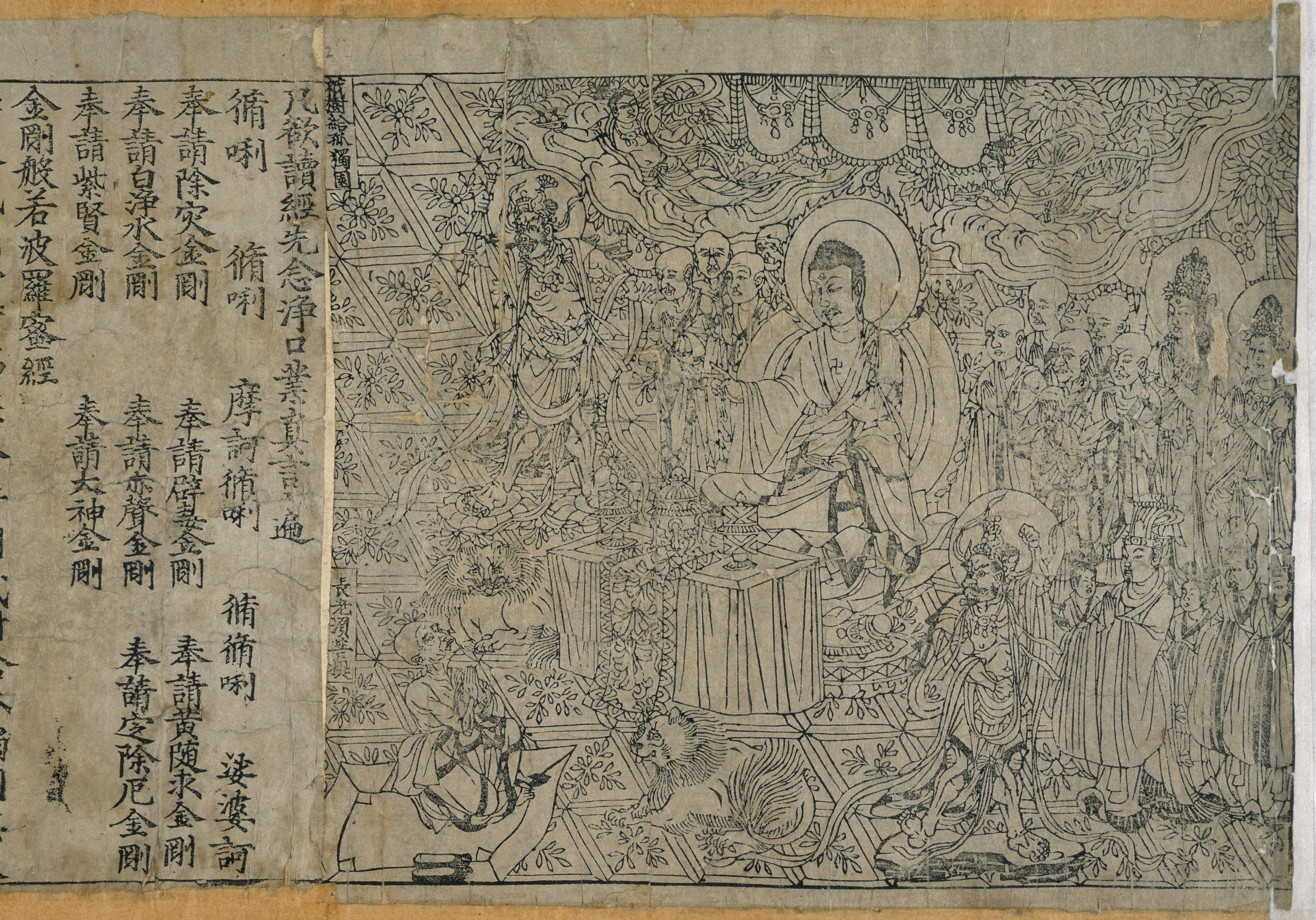
Block printing has been used to print a wide range of materials, including textiles, paper, and even ceramics. The technique has been used to create intricate and beautiful designs, such as the Chinese lacquerware and Japanese pottery. The process has also been used to print books, such as the Diamond Sutra, which is one of the oldest surviving examples of a printed book. In addition, block printing has been used to create art prints, such as the Ukiyo-e prints, which are highly prized by collectors and art enthusiasts. According to the Metropolitan Museum of Art, the Ukiyo-e prints are considered some of the most beautiful and intricate examples of block printing in the world.
👥 Key People & Organizations
Many notable artists and printers have contributed to the development of block printing, including Hokusai and Hiroshige, who are famous for their Ukiyo-e prints. Other notable artists, such as Picasso and Matisse, have also experimented with block printing, creating unique and innovative designs. The technique has also been used by many textile designers, such as William Morris, who have created beautiful and intricate designs for fabrics and wallpaper. In addition, many organizations, such as the British Museum and the Library of Congress, have collections of block printed materials, including books, prints, and textiles.
🌍 Cultural Impact & Influence
Block printing has had a significant impact on culture and society, particularly in East Asia, where it has been used for centuries to print textiles, paper, and other materials. The technique has been used to create beautiful and intricate designs, which have been highly prized by collectors and art enthusiasts. The process has also been used to print books, which have played a significant role in the dissemination of knowledge and ideas. In addition, block printing has been used to create art prints, which have been used to decorate homes and public spaces. According to the University of California, the Ukiyo-e prints are considered some of the most beautiful and intricate examples of block printing in the world, and have had a significant influence on the development of modern art.
⚡ Current State & Latest Developments
Today, block printing remains a popular technique, with many artists and printers continuing to use this traditional method. The process has been influenced by modern technology, such as digital printing, which has allowed for greater precision and accuracy. However, many artists and printers still prefer the traditional method, which allows for a more tactile and expressive approach to printing. In addition, block printing has been used in combination with other techniques, such as screen printing and etching, to create unique and innovative designs. According to the New York Times, the Brooklyn Museum has a collection of block printed materials, including books, prints, and textiles.
🤔 Controversies & Debates
Despite its popularity, block printing has also been the subject of controversy and debate, particularly with regards to its environmental impact. The process requires the use of wood and other materials, which can be unsustainable and harmful to the environment. In addition, the ink used in block printing can be toxic and hazardous to human health. However, many artists and printers are now using sustainable and eco-friendly materials, such as recycled wood and soy ink, to reduce the environmental impact of the process. According to the Environmental Protection Agency, the use of sustainable materials in block printing can significantly reduce the environmental impact of the process.
🔮 Future Outlook & Predictions
The future of block printing looks bright, with many artists and printers continuing to experiment with new techniques and materials. The process has been influenced by modern technology, such as 3D printing, which has allowed for greater precision and accuracy. In addition, block printing has been used in combination with other techniques, such as digital art and mixed media, to create unique and innovative designs. According to the Smithsonian Museum, the National Gallery of Art has a collection of block printed materials, including books, prints, and textiles.
💡 Practical Applications
Block printing has many practical applications, including the creation of textiles, paper, and other materials. The process has been used to create beautiful and intricate designs, which have been highly prized by collectors and art enthusiasts. In addition, block printing has been used to print books, which have played a significant role in the dissemination of knowledge and ideas. The technique has also been used to create art prints, which have been used to decorate homes and public spaces. According to the Council on Libraries, the Library of Congress has a collection of block printed materials, including books, prints, and textiles.
Key Facts
- Year
- 220 AD
- Origin
- China
- Category
- history
- Type
- technique
Frequently Asked Questions
What is block printing?
Block printing is a traditional technique for printing text, images, and patterns using a carved wooden block. The process involves carving a wooden block to leave only some areas and lines at the original level, which are then inked and printed. According to the British Museum, block printing has been used to create beautiful and intricate designs, which have been highly prized by collectors and art enthusiasts.
What is the history of block printing?
The history of block printing dates back to ancient China, where it was used to print text, images, and patterns on textiles and paper. The technique evolved over time, with the introduction of new tools and materials, such as the wood carving technique used in Tang China. According to the Library of Congress, the earliest surviving examples of block printing on cloth date back to before 220 AD.
What are the applications of block printing?
Block printing has many practical applications, including the creation of textiles, paper, and other materials. The process has been used to create beautiful and intricate designs, which have been highly prized by collectors and art enthusiasts. In addition, block printing has been used to print books, which have played a significant role in the dissemination of knowledge and ideas. According to the Council on Libraries, the Library of Congress has a collection of block printed materials, including books, prints, and textiles.
What is the environmental impact of block printing?
The environmental impact of block printing is a topic of controversy and debate. The process requires the use of wood and other materials, which can be unsustainable and harmful to the environment. However, many artists and printers are now using sustainable and eco-friendly materials, such as recycled wood and soy ink, to reduce the environmental impact of the process. According to the Environmental Protection Agency, the use of sustainable materials in block printing can significantly reduce the environmental impact of the process.
What is the future of block printing?
The future of block printing looks bright, with many artists and printers continuing to experiment with new techniques and materials. The process has been influenced by modern technology, such as 3D printing, which has allowed for greater precision and accuracy. In addition, block printing has been used in combination with other techniques, such as digital art and mixed media, to create unique and innovative designs. According to the Smithsonian Museum, the National Gallery of Art has a collection of block printed materials, including books, prints, and textiles.
How does block printing relate to other topics?
Block printing is related to many other topics, including printmaking, textile design, and book illustration. The technique has been used to create beautiful and intricate designs, which have been highly prized by collectors and art enthusiasts. In addition, block printing has been used to print books, which have played a significant role in the dissemination of knowledge and ideas. According to the Metropolitan Museum of Art, the Diamond Sutra is one of the oldest surviving examples of a printed book, and is considered a masterpiece of block printing.
What are some notable examples of block printing?
Some notable examples of block printing include the Ukiyo-e prints, which are highly prized by collectors and art enthusiasts. Other notable examples include the Diamond Sutra, which is one of the oldest surviving examples of a printed book, and the Gutenberg Bible, which is one of the most famous examples of a printed book. According to the Library of Congress, the Gutenberg Bible is considered one of the most important books in the history of printing.
How has block printing influenced other art forms?
Block printing has had a significant influence on other art forms, including painting, sculpture, and architecture. The technique has been used to create beautiful and intricate designs, which have been highly prized by collectors and art enthusiasts. In addition, block printing has been used to print books, which have played a significant role in the dissemination of knowledge and ideas. According to the Metropolitan Museum of Art, the Diamond Sutra is one of the oldest surviving examples of a printed book, and is considered a masterpiece of block printing.