
Contents
Overview
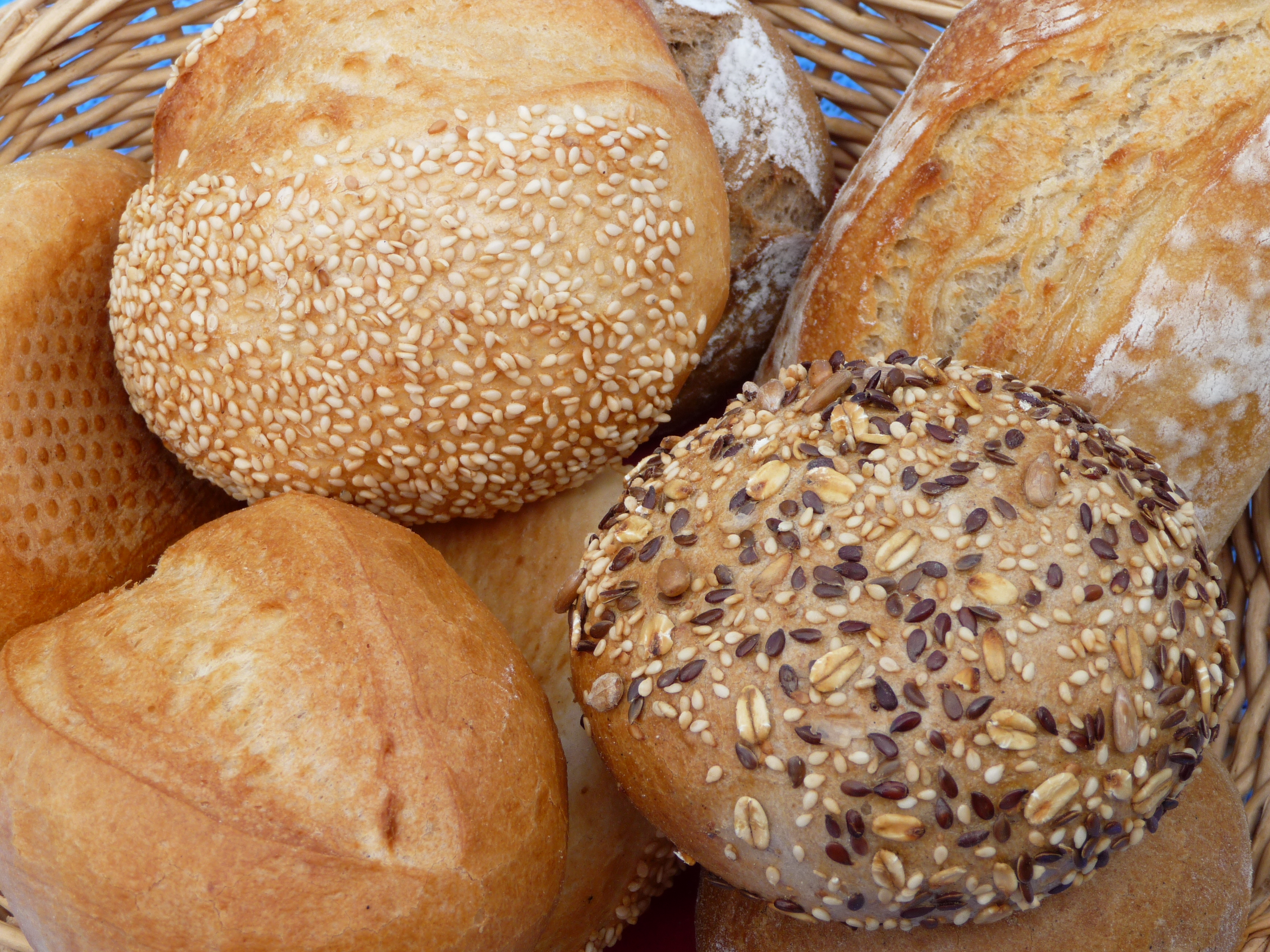
Bread science is the multidisciplinary study of the transformation of basic ingredients—flour, water, salt, and leavening agents—into the ubiquitous baked good known as bread. It delves into the complex biochemical reactions, physical structures, and sensory perceptions that define bread's texture, flavor, aroma, and shelf life. From the enzymatic breakdown of starches and proteins during fermentation to the Maillard reaction and caramelization that create crust color and complex flavors during baking, every step is governed by scientific principles. Understanding bread science allows bakers, food scientists, and consumers to manipulate variables like hydration, temperature, and ingredient ratios to achieve desired outcomes, impacting everything from industrial production methods to artisanal baking techniques. The field draws from chemistry, physics, biology, and engineering to explain why a perfectly proofed dough rises, why a crust browns, and why a stale loaf loses its appeal.
🎵 Origins & History
The scientific understanding of breadmaking is as old as agriculture itself, with early humans observing the spontaneous fermentation of grain mixtures. The Egyptians meticulously documented their processes, even developing specialized ovens. Later, the Romans advanced baking techniques, establishing guilds and understanding the role of different flours, as detailed by writers like Columella in his work De Re Rustica.
⚙️ How It Works
At its core, bread science revolves around the interaction of flour proteins, primarily glutenin and gliadin, with water to form a viscoelastic network known as gluten. This network traps gases produced by yeast or chemical leaveners during fermentation and proofing, leading to dough expansion. Enzymes such as amylase and protease are present in flour and yeast. During baking, heat triggers a cascade of reactions: the gluten network coagulates, starches gelatinize and then retrograde upon cooling, and the Maillard reaction between amino acids and reducing sugars, along with caramelization of sugars, creates the characteristic brown crust and complex flavor profile. Water evaporation also plays a crucial role in crust formation and texture.
📊 Key Facts & Numbers
Globally, over one billion tons of wheat are produced annually, with a significant portion destined for bread production. The average American consumes approximately 198 pounds of flour products per year, a substantial portion of which is bread. A single gram of active baker's yeast (Saccharomyces cerevisiae) can contain over 10 billion cells. The gluten network can stretch up to 150% of its original length before breaking. A typical loaf of bread loses 10-15% of its weight during baking due to water evaporation. The shelf life of commercially produced bread is often extended by 3-7 days through the use of emulsifiers and preservatives, a stark contrast to the 1-2 day shelf life of many artisanal loaves.
👥 Key People & Organizations
While breadmaking has countless practitioners, key figures in its scientific understanding include George St. Stewart, whose 1930s work at the University of Minnesota laid foundational principles of gluten chemistry. More recently, researchers like Simone Orsler at the Wagner Brewing Company have explored the intricate microbiology of sourdough ferments. Organizations such as the American Institute of Baking (AIB) and the Baking Science Club serve as hubs for research and education, disseminating knowledge through publications and conferences. The Société de Boulangerie de Paris, founded in 1840, represents a long-standing tradition of professional baking knowledge.
🌍 Cultural Impact & Influence
Bread's cultural significance is immense, acting as a dietary staple and a symbol across countless societies, from the unleavened matzah of Jewish Passover to the baguette of France. The science behind its creation has shaped culinary traditions and industrial food systems. Understanding fermentation, for instance, not only produces bread but also informs the production of other fermented foods like beer and yogurt. The development of commercial yeast by companies like Lesaffre revolutionized bread production, enabling mass-market availability and influencing global dietary habits. The sensory science of bread—its aroma, texture, and taste—is a major driver of consumer preference and product development.
⚡ Current State & Latest Developments
Current developments in bread science are increasingly focused on sustainability and health. Researchers are exploring alternative flours derived from ancient grains, pulses, and even insects to reduce reliance on wheat and improve nutritional profiles. Advances in understanding the gut microbiome are leading to the development of breads with enhanced prebiotic or probiotic properties, often through controlled fermentation techniques. Automation and AI are also entering the field, optimizing mixing, proofing, and baking processes in industrial settings, as seen in innovations by companies like Bosch and Kenwood for home bakers. The study of staling—the process by which bread loses its desirable texture—continues with new approaches to extend freshness without chemical additives.
🤔 Controversies & Debates
One persistent debate in bread science concerns the 'health halo' around certain types of bread. While whole grain and sourdough breads are often lauded for their nutritional benefits and digestibility, the actual scientific evidence for their superiority over enriched white bread can be nuanced and depends heavily on individual physiology and the specific bread formulation. Another controversy surrounds the use of potassium bromate, a dough conditioner once common but now banned in many regions due to health concerns, highlighting the ongoing tension between processing efficiency and consumer safety. The definition of 'artisanal' versus 'industrial' bread also sparks debate, often touching on the scientific rigor versus traditional methods.
🔮 Future Outlook & Predictions
The future of bread science points towards hyper-personalized nutrition and enhanced sustainability. We can expect to see more breads engineered for specific dietary needs, potentially incorporating tailored probiotics or allergen-free formulations. The use of precision fermentation and synthetic biology may lead to novel yeast strains or enzymes that offer unique flavor profiles or improved dough handling. Furthermore, advancements in understanding the rheology of dough under extreme conditions could enable bread production in novel environments, such as space exploration. The drive for reduced food waste will also spur innovation in extending bread's shelf life through natural means, potentially involving advanced packaging technologies or bio-based coatings.
💡 Practical Applications
Bread science has direct applications across numerous industries. In commercial baking, it informs the design of efficient production lines, ingredient selection, and quality control measures. For artisanal bakers, it provides the knowledge to troubleshoot dough issues, develop unique recipes, and achieve consistent results. Food scientists utilize these principles in product development, creating new bread varieties, gluten-free alternatives, and fortified products. Even home bakers benefit, using scientific understanding to improve their sourdough starters or perfect their ciabatta. The study of food safety also relies on bread science, particularly concerning spoilage and the control of microbial contaminants.
Key Facts
- Category
- science
- Type
- concept