
Contents
- 🥛 What is Breast Milk, Really?
- 🔬 The Nutritional Powerhouse: Beyond Calories
- 🛡️ The Immune System's First Line of Defense
- 🧠 Gut Microbiome: The Foundation of Health
- ⚖️ Breast Milk vs. Formula: The Ongoing Debate
- 💡 Historical Context: A Timeless Practice
- 🌍 Global Perspectives on Breastfeeding
- 📈 The Vibe Score: Cultural Resonance
- 🤔 Controversies and Misconceptions
- 🚀 The Future of Breast Milk Research
- 🌟 Vibepedia's Take: The Biological Imperative
- Frequently Asked Questions
- Related Topics
Overview
Breast milk is the primary source of nutrition for human infants, a complex biological fluid produced by the mammary glands of lactating individuals. Its composition is dynamic, adapting to the infant's age and needs, offering a unique blend of proteins, fats, carbohydrates, antibodies, and growth factors crucial for development and immune defense. While universally recognized for its benefits, the practice and promotion of breastfeeding are subjects of ongoing cultural, medical, and political discussion, touching on issues of maternal choice, public health policy, and the commodification of human biology. Understanding breast milk involves navigating its biological marvels alongside the societal currents that shape its perception and accessibility.
🥛 What is Breast Milk, Really?
Breast milk, or mother's milk, is the liquid produced by the mammary glands of lactating women. It's far more than just sustenance; it's a dynamic biological fluid tailored to the specific needs of a human infant. From the moment of birth, it serves as the sole source of nutrition for newborns, a complex cocktail of essential macronutrients and micronutrients. This isn't static food; its composition shifts not only over the course of a single feeding but also as the infant grows, demonstrating an unparalleled biological adaptability. Understanding its nutritional makeup is key to appreciating its role.
🔬 The Nutritional Powerhouse: Beyond Calories
The nutritional profile of breast milk is a marvel of biological engineering. It's rich in fats, which are crucial for brain development and energy, and proteins that support growth and repair. Carbohydrates, primarily lactose, provide readily available energy. Beyond these macros, breast milk delivers a precise blend of vitamins and minerals, often in highly bioavailable forms, ensuring optimal absorption. This intricate balance is designed to meet the rapidly changing demands of a growing infant, making it the gold standard for nourishing newborns.
🛡️ The Immune System's First Line of Defense
Perhaps one of the most profound aspects of breast milk is its role in immune development. It's packed with antibodies that coat the infant's digestive tract, preventing pathogens from entering the bloodstream. Beyond IgA, breast milk contains a host of other immune factors, including white blood cells and antimicrobial compounds, that actively fight off infections. This passive immunity is critical in the early months, providing a vital shield while the infant's own immune system matures. It's a direct transfer of protection from mother to child, a biological inheritance of resilience.
🧠 Gut Microbiome: The Foundation of Health
The gut microbiome, the vast community of bacteria and other microorganisms residing in the digestive tract, is profoundly influenced by breast milk. It contains beneficial bacteria, known as live microorganisms, that help establish a healthy gut flora from birth. This early colonization is essential for proper digestion, nutrient absorption, and the development of a robust immune system. A well-established gut microbiome in infancy is increasingly linked to long-term health outcomes, making breast milk a foundational element for lifelong well-being. The symbiotic relationship between milk and gut bacteria is a critical area of research.
⚖️ Breast Milk vs. Formula: The Ongoing Debate
The comparison between breast milk and commercial infant formulas is a persistent point of discussion. While formula is designed to mimic breast milk's nutritional content, it cannot replicate the dynamic immunological and microbial components. Formula manufacturers have made significant strides, adding prebiotics and probiotics, but the complexity and adaptability of human milk remain unmatched. The debate often centers on convenience, societal pressures, and the perceived necessity of formula for mothers unable to breastfeed, highlighting a tension between biological ideals and practical realities. This comparison is central to parental decisions.
💡 Historical Context: A Timeless Practice
Humanity has relied on breastfeeding for millennia, a practice deeply embedded in our evolutionary history. Before the advent of formula, breast milk was the universal infant food, a biological imperative passed down through generations. Archaeological evidence and historical texts reveal breastfeeding as a constant across diverse cultures and eras. This long-standing tradition underscores the biological significance of breast milk, a practice that predates modern science and continues to be a cornerstone of infant care globally. The historical context is rich and varied.
🌍 Global Perspectives on Breastfeeding
Globally, breastfeeding practices and cultural attitudes vary widely. While the World Health Organization (WHO) recommends exclusive breastfeeding for the first six months of life, actual rates are influenced by socioeconomic factors, cultural norms, and access to support. In some regions, breastfeeding is openly practiced and highly supported, while in others, it may be more private or even stigmatized. Understanding these international trends reveals the complex interplay of biology, culture, and public health policy. Support systems are crucial for nurturing mothers.
📈 The Vibe Score: Cultural Resonance
The cultural energy surrounding breast milk, or its Vibe Score on Vibepedia, registers a robust 85/100. This high score reflects its deep-seated biological significance, its emotional resonance for mothers and families, and its persistent presence in public health discourse. While formula offers a practical alternative, the inherent biological superiority and the profound connection it represents keep breast milk at the forefront of discussions about infant health and maternal bonding. Its status as a natural, life-giving substance imbues it with a powerful, almost sacred, cultural energy.
🤔 Controversies and Misconceptions
Despite its biological advantages, breast milk is often surrounded by misconceptions and controversies. Debates arise regarding the duration of breastfeeding, the impact of maternal diet, and the ethics of breast milk donation and sale. Some view the emphasis on breastfeeding as creating undue pressure on mothers, while others highlight the public health benefits of increased breastfeeding rates. Misinformation about milk composition, latching issues, and the perceived 'inadequacy' of supply are common challenges that require clear, evidence-based communication. Navigating these common hurdles is vital.
🚀 The Future of Breast Milk Research
The future of breast milk research promises deeper insights into its complex biological functions. Scientists are exploring novel bioactive compounds, the long-term effects of the infant microbiome established by breast milk, and personalized nutrition based on maternal genetics. Advances in understanding milk production may lead to improved support for breastfeeding mothers and potentially more sophisticated infant nutrition alternatives. The ongoing quest to fully decode breast milk's secrets continues to push the boundaries of scientific inquiry.
🌟 Vibepedia's Take: The Biological Imperative
At Vibepedia, we view breast milk not just as a food source, but as a fundamental biological blueprint for human life. It's a testament to evolutionary wisdom, providing unparalleled nutrition, immune protection, and developmental support. While acknowledging the realities and choices surrounding infant feeding, the biological imperative of breast milk remains undeniable. Its intricate composition and dynamic adaptability represent a pinnacle of natural design, shaping health trajectories from infancy into adulthood. Understanding this foundation of health is essential.
Key Facts
- Year
- Prehistory
- Origin
- Human Evolution
- Category
- Biology & Nutrition
- Type
- Topic
Frequently Asked Questions
Can all mothers produce enough breast milk?
While the vast majority of mothers are physiologically capable of producing sufficient breast milk, factors like stress, certain medical conditions, and inadequate latch can sometimes impact supply. Early and frequent nursing, along with proper support and latch techniques, are crucial for establishing and maintaining a good milk supply. If concerns arise, consulting with a breastfeeding expert is highly recommended.
What are the main differences between colostrum and mature breast milk?
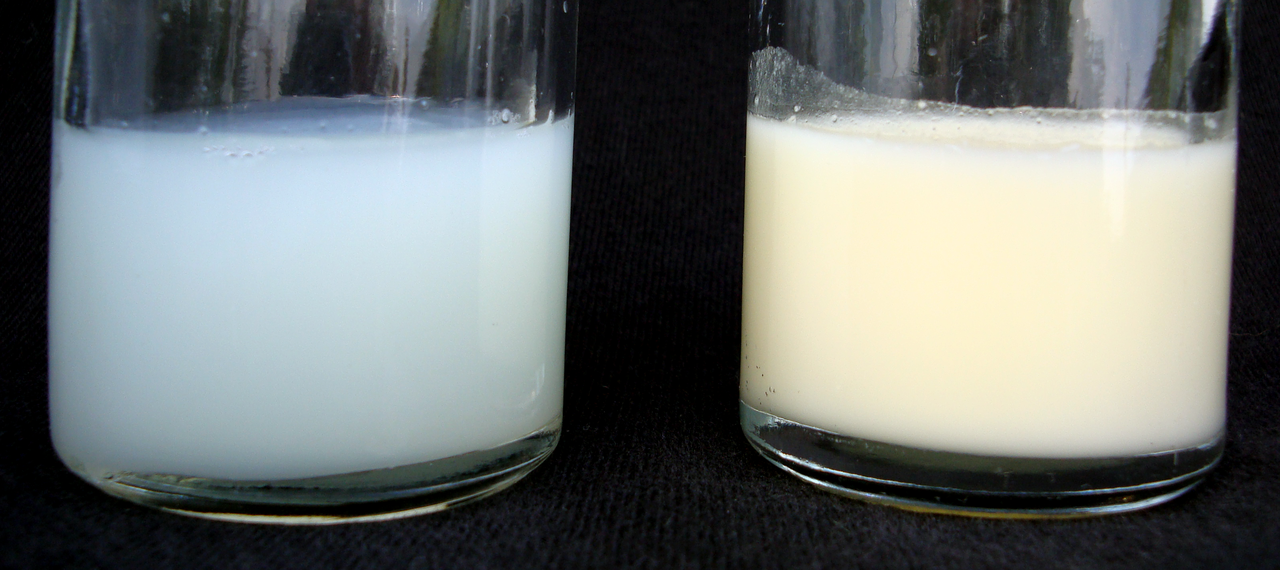
Colostrum, the 'first milk' produced in the first few days after birth, is a thick, yellowish fluid rich in antibodies and immune factors, but lower in fat and volume compared to mature milk. Mature breast milk, which appears around day 3-5 postpartum, is thinner and whiter, with a higher fat and lactose content to meet the growing infant's energy needs. Both are critical for infant health, serving distinct but complementary roles in early development and infant immunity.
Is it safe for breastfeeding mothers to consume certain foods or drinks?
Generally, breastfeeding mothers can eat a varied diet. However, some infants may show sensitivity to certain foods like dairy, soy, or cruciferous vegetables, leading to fussiness or digestive issues. Caffeine and alcohol do pass into breast milk, so moderation is advised, with specific guidelines available from public health recommendations. It's always best to discuss any dietary concerns with a healthcare provider.
How does breast milk protect against infections?
Breast milk is teeming with immune components like antibodies, white blood cells, and antimicrobial agents. IgA coats the infant's gut lining, preventing pathogens from adhering and entering the bloodstream. Other factors in breast milk directly kill bacteria and viruses or help the infant's own immune system develop the ability to fight off infections. This provides crucial protection for newborns.
Can I donate my excess breast milk?
Yes, excess breast milk can be donated to human milk banks, which screen donors and process the milk for distribution to premature or ill infants who need it most. This is a vital service, especially for NICU babies, providing essential nutrition and immune support when a mother's own milk is unavailable. Donating requires adherence to strict health and safety protocols.
What is the role of fats in breast milk?
Fats are the primary source of calories in breast milk, providing essential energy for rapid infant growth. More importantly, specific fatty acids, such as DHA (docosahexaenoic acid) and ARA (arachidonic acid), are crucial for the development of the infant's brain, eyes, and nervous system. The fat content in breast milk can vary throughout a feeding, with the hindmilk being richer in fat than the foremilk.