
Contents
- 🏗️ What Are Building Materials, Really?
- 📜 A Brief History of What We Build With
- 🧱 The Big Players: From Stone to Steel
- 💡 Innovations Shaping Tomorrow's Structures
- ⚖️ The Vibe Score: Material Culture & Civilization
- 🌍 Global Impact & Supply Chains
- 🤔 Choosing the Right Material: Key Considerations
- 🛠️ The Trades That Make It Happen
- Frequently Asked Questions
- Related Topics
Overview
Building materials are the fundamental stuff that shelters us, connects us, and defines our built environment. Think beyond just bricks and mortar; this category encompasses everything from the ancient clay and timber that formed early dwellings to the advanced composites and smart materials revolutionizing modern architecture. Whether you're a homeowner planning a renovation, an architect sketching a new skyscraper, or simply curious about the physical world around you, understanding building materials is key to grasping how civilizations rise and endure. They are the silent witnesses to our progress, dictating not only structural integrity but also aesthetic appeal and environmental footprint.
📜 A Brief History of What We Build With
Humanity's relationship with building materials is as old as civilization itself. Early humans, driven by the need for shelter, first utilized readily available natural resources like Mud Brick and Animal Hide around 10,000 BCE. The Neolithic Revolution saw a more deliberate use of Stone Construction and timber, leading to more permanent settlements. The Romans, masters of engineering, perfected concrete, a material that allowed for monumental structures like the Pantheon (Rome) and extensive aqueduct systems, showcasing an early understanding of material science and large-scale application. This historical progression highlights a constant human drive to harness and transform the earth's bounty into functional, lasting forms.
🧱 The Big Players: From Stone to Steel
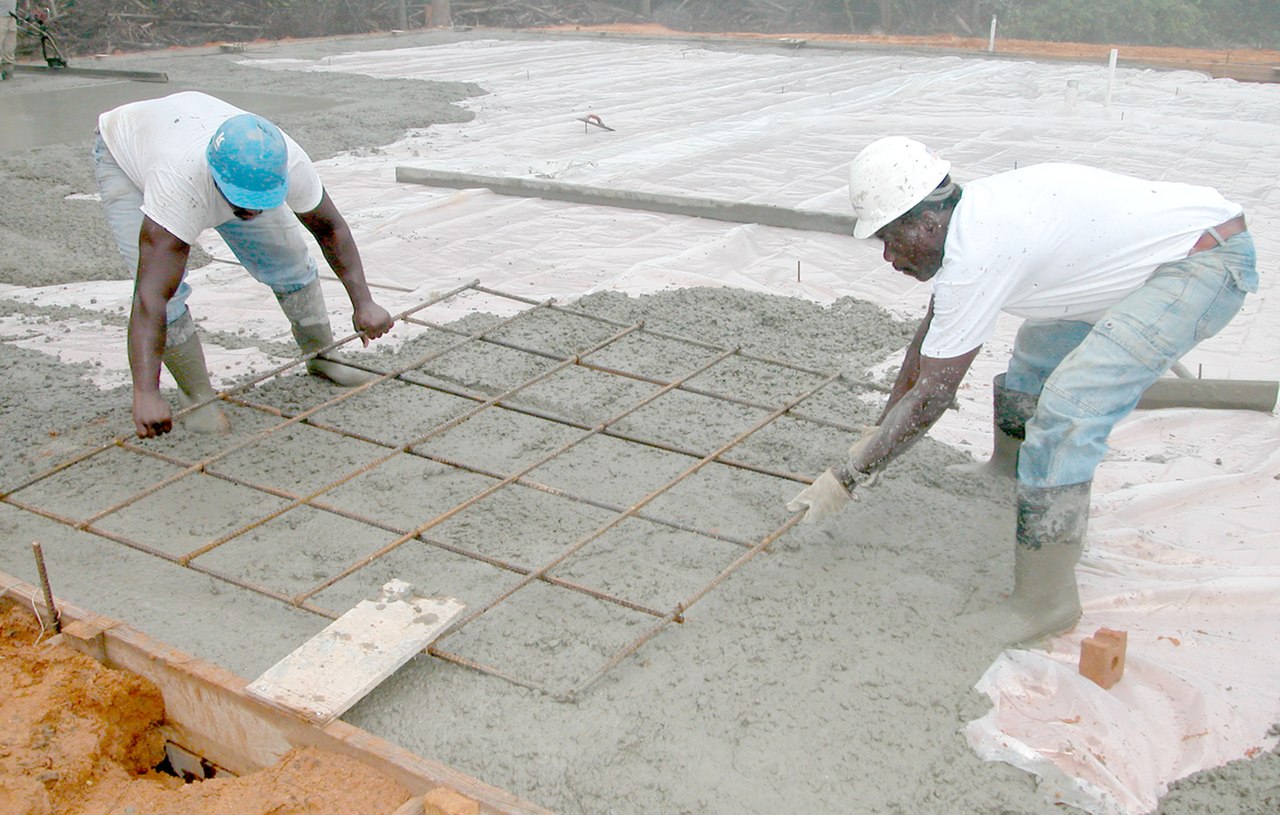
The pantheon of modern building materials is vast, but a few stand out for their sheer ubiquity and impact. Concrete remains a titan, its versatility and strength forming the backbone of everything from roads to high-rises, often reinforced with Steel Reinforcement. Steel itself, a product of the Industrial Revolution, offers unparalleled tensile strength, enabling the soaring structures of modern cities. Wood continues to be a primary material, especially in residential construction, prized for its renewability and aesthetic warmth, though its fire resistance and structural limitations are ongoing considerations. Glass, once a luxury, now defines transparency and light in architecture, evolving from simple panes to complex, energy-efficient systems.
💡 Innovations Shaping Tomorrow's Structures
The future of building materials is a thrilling frontier, driven by demands for sustainability, efficiency, and intelligence. Biomaterials, such as Mycelium Composites grown from fungi, offer biodegradable alternatives with impressive insulating properties. 3D Printed Concrete is rapidly gaining traction, promising faster construction and intricate designs previously impossible. Smart Materials, capable of self-healing or adapting to environmental conditions, are moving from labs to blueprints, hinting at buildings that actively respond to their occupants and surroundings. The push for Sustainable Construction is accelerating research into recycled materials and low-carbon alternatives, fundamentally reshaping what we consider viable building blocks.
⚖️ The Vibe Score: Material Culture & Civilization
The 'Vibe Score' for building materials isn't just about structural integrity; it's about the cultural energy they embody. For millennia, Stone Construction carried a vibe of permanence and power, evident in ancient monuments. The widespread adoption of Steel in the late 19th and early 20th centuries pulsed with the Vibe of industrial might and progress. Today, the Vibe Score is increasingly influenced by Sustainability in Construction and Circular Economy Principles. Materials that minimize environmental impact and can be reused or recycled are gaining a higher cultural resonance, reflecting a global shift in values. A material's Vibe Score is a complex interplay of its history, its perceived performance, and its alignment with contemporary societal aspirations.
🌍 Global Impact & Supply Chains
The production and distribution of building materials form a colossal global industry, deeply intertwined with geopolitical stability and economic health. From the quarrying of Aggregate in one continent to the manufacturing of Insulation Materials in another, and finally its installation on a construction site thousands of miles away, complex supply chains are at play. Disruptions, whether due to trade disputes, natural disasters, or pandemics, can have cascading effects, leading to material shortages and price volatility, as seen with lumber prices in 2021. Understanding these global flows is crucial for project planning and appreciating the interconnectedness of our built world.
🤔 Choosing the Right Material: Key Considerations
Selecting the right building material involves a delicate balancing act. Construction Cost is often the primary driver, but it must be weighed against Material Durability and lifespan. Energy Efficiency in Buildings is paramount, influencing heating and cooling costs over the building's life. Environmental Impact of Construction Materials, including embodied carbon and recyclability, is a growing concern for conscious builders and consumers. Local Sourcing of Materials can reduce transportation costs and support regional economies. Finally, Building Codes dictate what materials are permissible for specific applications, ensuring safety and compliance.
🛠️ The Trades That Make It Happen
The transformation of raw materials into finished structures is the domain of skilled Skilled Trades. Carpentry shape and install wood, forming the skeletal framework of many buildings. Masonry work with brick, block, and stone, creating durable and aesthetically pleasing walls. Welding join steel components, essential for large-scale infrastructure and high-rise construction. Drywall Installation create smooth interior surfaces. Each trade possesses specialized knowledge and techniques, ensuring that materials are used effectively, safely, and to their full potential, turning abstract blueprints into tangible realities.
Key Facts
- Year
- N/A
- Origin
- N/A
- Category
- Construction & Infrastructure
- Type
- Topic
Frequently Asked Questions
What are the most sustainable building materials?
Sustainable building materials prioritize low environmental impact throughout their lifecycle. This includes Recycled Steel, Bamboo Construction, Reclaimed Wood, and Cork Flooring. Mycelium Composites and Hempcrete are also emerging as highly eco-friendly options, offering excellent insulation and biodegradability. The key is to consider embodied energy, sourcing, durability, and end-of-life recyclability when making a choice.
How do building materials affect a building's energy efficiency?
Building materials significantly impact a structure's thermal performance. Materials with high Thermal Mass, like concrete or brick, can absorb and release heat slowly, moderating indoor temperatures. Insulation Materials, such as fiberglass, mineral wool, or foam boards, are designed to resist heat flow, keeping buildings warmer in winter and cooler in summer. The choice of Window and Door Materials, particularly their U-Value (Building) and Solar Heat Gain Coefficient (SHGC), also plays a critical role in managing heat transfer and reducing energy consumption for heating and cooling.
What is the difference between natural and man-made building materials?
Natural building materials are sourced directly from the environment with minimal processing. Examples include Wood Construction, Stone Construction, Clay Construction, and Sandbags. Man-made materials, on the other hand, are manufactured through industrial processes, often combining natural elements or creating entirely new substances. Concrete, Steel, Brick Manufacturing, Plastic Lumber, and Fiber Cement Siding are common examples of man-made materials, offering enhanced properties like strength, uniformity, and specific performance characteristics.
Are traditional materials like wood and stone still relevant?
Absolutely. Despite the rise of advanced materials, Wood Construction and Stone Construction remain highly relevant and popular. Wood is favored for its renewability, aesthetic appeal, and ease of use in residential construction. Stone offers unparalleled durability and a timeless look for both structural and decorative purposes. Modern techniques, such as Engineered Wood Products and advanced stone quarrying and cutting, have expanded their applications and improved their performance, ensuring their continued place in contemporary building.
What are the challenges in sourcing building materials globally?
Global sourcing of building materials faces numerous challenges. Supply Chain Disruptions, whether due to geopolitical events, natural disasters, or transportation issues, can lead to delays and increased costs. Trade Tariffs can make imported materials prohibitively expensive. Furthermore, ensuring Ethical Sourcing of Materials and adherence to environmental regulations across different countries requires diligent oversight. The carbon footprint associated with long-distance transportation is also a significant environmental concern that needs careful management.
How does material choice impact building maintenance?
The choice of building materials directly influences long-term maintenance requirements and costs. Materials like Vinyl Siding or Aluminum Windows often require minimal upkeep, offering convenience. In contrast, Wood Siding may need regular sealing or painting to protect against weather and pests. Concrete can be susceptible to cracking and spalling if not properly sealed and maintained. Understanding a material's inherent properties, such as its resistance to corrosion, UV degradation, and moisture, is crucial for anticipating and budgeting for future maintenance needs.