
Contents
- 🎵 Origins & History
- ⚙️ Geology and Fossilization
- 📊 Key Facts & Numbers
- 👥 Key People & Organizations
- 🌍 Cultural Impact & Influence
- ⚡ Current State & Latest Developments
- 🤔 Controversies & Debates
- 🔮 Future Outlook & Predictions
- 💡 Practical Applications
- 📚 Related Topics & Deeper Reading
- Frequently Asked Questions
- References
- Related Topics
Overview
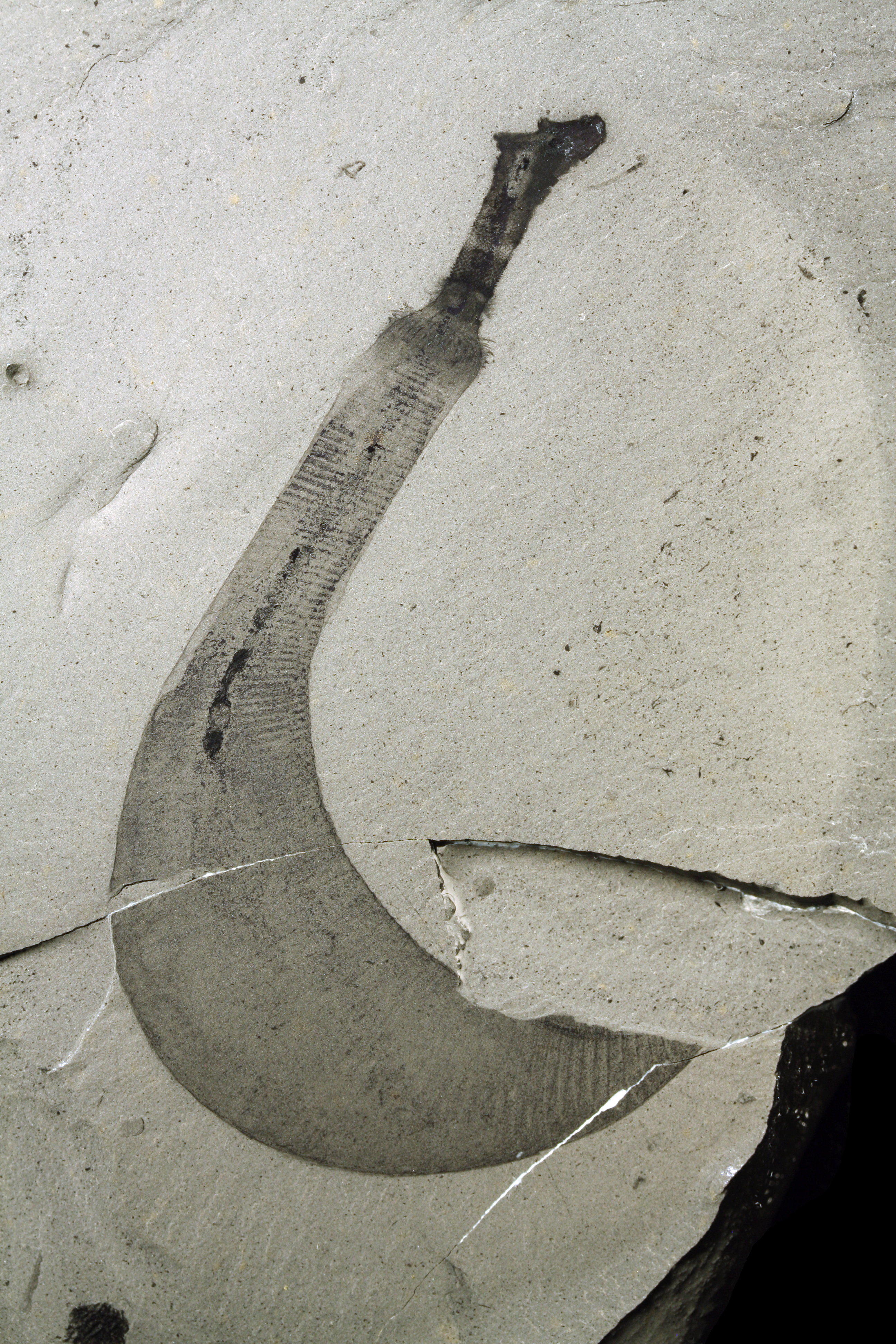
The Burgess Shale is a 508 million-year-old fossil-bearing deposit in the Canadian Rockies, renowned for its exceptional preservation of soft-part imprints. This middle Cambrian formation has provided invaluable insights into the evolution of life on Earth, with discoveries like Hallucigenia and Anomalocaris rewriting the history of animal diversity. Located in Yoho National Park and Kootenay National Park, the Burgess Shale has been a subject of fascination for paleontologists, including Charles Walcott and Simon Morris, who have uncovered the secrets of this ancient ecosystem. With its unique fossilization process, the Burgess Shale continues to be a vital site for scientific research, shedding light on the mysteries of the Cambrian Explosion and the origins of complex life forms, as discussed by Stephen Jay Gould in his book Wonderful Life.
🎵 Origins & History
The Burgess Shale was first discovered in 1909 by Charles Walcott, an American paleontologist, who recognized the significance of the site and began excavating fossils. The shale is named after the nearby Burgess Pass, which was named after a Canadian mountaineer. Over the years, the Burgess Shale has been the subject of extensive research, with many notable paleontologists, including Simon Morris and Derek Briggs, contributing to our understanding of the site. The Burgess Shale is also closely related to other important fossil sites, such as the Maotianshan Shales in China, which have provided valuable insights into the evolution of early animal life.
⚙️ Geology and Fossilization
The geology of the Burgess Shale is characterized by a unique combination of factors that have contributed to the exceptional preservation of fossils. The shale is composed of fine-grained sedimentary rock, which was deposited in a marine environment during the middle Cambrian period. The fossils found in the Burgess Shale are typically preserved as impressions or compressions, with some specimens showing remarkable detail, including the presence of soft tissues like skin and muscles. The fossilization process is thought to have occurred rapidly, with the fossils being buried quickly after death, which helped to prevent decomposition and scavenging. This process is similar to that found in other fossil sites, such as the Green River Formation in the United States.
📊 Key Facts & Numbers
The Burgess Shale is renowned for its incredible array of fossils, with over 200 species discovered to date. Some of the most notable fossils found in the shale include Hallucigenia, a bizarre creature with spines and a long, thin body, and Anomalocaris, a large, predatory arthropod with grasping appendages. Other significant fossils include Wiwaxia, a worm-like creature with a unique set of spines, and Pikaia, a small, fish-like animal that is thought to be one of the earliest vertebrates. The Burgess Shale has also yielded important information about the evolution of ecosystems, with many fossils showing evidence of complex interactions between species, such as the presence of symbiotic relationships between different organisms.
👥 Key People & Organizations
The study of the Burgess Shale has involved many notable paleontologists and organizations, including the Royal Ontario Museum and the University of Cambridge. These researchers have made significant contributions to our understanding of the site and its fossils, and have helped to shed light on the evolution of life on Earth. The Burgess Shale has also been the subject of several important books and documentaries, including Wonderful Life by Stephen Jay Gould, which explores the significance of the site and its fossils in the context of the Cambrian Explosion.
🌍 Cultural Impact & Influence
The Burgess Shale has had a significant impact on our understanding of the history of life on Earth, and has been the subject of much scientific and popular interest. The site has been recognized as a UNESCO World Heritage Site, and is considered one of the most important fossil sites in the world. The Burgess Shale has also inspired numerous works of art and literature, including the book The Animals of Farthing Wood by Colin Dann, which features a character based on the fossil Hallucigenia.
⚡ Current State & Latest Developments
Current research on the Burgess Shale is focused on continuing to explore the site and its fossils, with many new discoveries being made in recent years. The site is also the subject of ongoing conservation efforts, with the Parks Canada agency working to protect the site and its fossils for future generations. In addition, the Burgess Shale has been the subject of several recent documentaries and films, including The Cambrian Explosion, which explores the significance of the site and its fossils in the context of the evolution of life on Earth.
🤔 Controversies & Debates
Despite its significance, the Burgess Shale has been the subject of some controversy and debate, particularly with regards to the interpretation of its fossils. Some researchers have questioned the accuracy of certain fossil identifications, and have proposed alternative explanations for the evolution of certain species. However, the majority of the scientific community accepts the significance of the Burgess Shale and its fossils, and continues to study the site and its fossils in order to gain a deeper understanding of the history of life on Earth. For example, the discovery of feathered dinosaurs in China has led to a re-evaluation of the relationships between different groups of animals, and has highlighted the importance of the Burgess Shale in understanding the evolution of complex life forms.
🔮 Future Outlook & Predictions
The future of research on the Burgess Shale is likely to involve continued exploration of the site and its fossils, as well as the development of new technologies and techniques for studying and preserving the fossils. The site is also likely to remain an important destination for scientists and tourists alike, and will continue to inspire new generations of researchers and explorers. In addition, the Burgess Shale will likely play a key role in the development of new theories and models of evolution, such as the punctuated equilibrium theory, which was proposed by Niles Eldredge and Stephen Jay Gould.
💡 Practical Applications
The practical applications of research on the Burgess Shale are numerous, and include the development of new technologies and techniques for studying and preserving fossils. The site has also inspired numerous works of art and literature, and has been the subject of several important books and documentaries. In addition, the Burgess Shale has been used as a model for understanding the evolution of ecosystems and the interactions between different species, and has provided valuable insights into the history of life on Earth. For example, the study of symbiotic relationships in the Burgess Shale has led to a greater understanding of the importance of these relationships in modern ecosystems.
Key Facts
- Year
- 1909
- Origin
- Canadian Rockies, British Columbia, Canada
- Category
- nature
- Type
- place
Frequently Asked Questions
What is the significance of the Burgess Shale?
The Burgess Shale is significant because of its exceptional preservation of soft-part imprints, which has provided valuable insights into the evolution of life on Earth. The site has yielded many important fossils, including Hallucigenia and Anomalocaris, which have helped to shed light on the history of the Cambrian Explosion. The Burgess Shale has also been the subject of numerous scientific and popular works, including the book Wonderful Life by Stephen Jay Gould.
Who discovered the Burgess Shale?
The Burgess Shale was discovered by Charles Walcott in 1909. Walcott was an American paleontologist who recognized the significance of the site and began excavating fossils. The site has since been the subject of extensive research by many notable paleontologists, including Simon Morris and Derek Briggs.
What is the age of the Burgess Shale?
The Burgess Shale is approximately 508 million years old, dating back to the middle Cambrian period. This makes it one of the oldest fossil-bearing deposits in the world, and an important site for understanding the evolution of life on Earth. The Burgess Shale has been dated using a variety of methods, including radiometric dating and biostratigraphy.
What are some of the most notable fossils found in the Burgess Shale?
Some of the most notable fossils found in the Burgess Shale include Hallucigenia, Anomalocaris, Wiwaxia, and Pikaia. These fossils have provided valuable insights into the evolution of complex life forms and the history of the Cambrian Explosion. The Burgess Shale has also yielded many other important fossils, including sponges, cnidarians, and arthropods.
What is the current state of research on the Burgess Shale?
Research on the Burgess Shale is ongoing, with many new discoveries being made in recent years. The site is also the subject of ongoing conservation efforts, with the Parks Canada agency working to protect the site and its fossils for future generations. In addition, the Burgess Shale has been the subject of several recent documentaries and films, including The Cambrian Explosion, which explores the significance of the site and its fossils in the context of the evolution of life on Earth.
What are some of the practical applications of research on the Burgess Shale?
The practical applications of research on the Burgess Shale are numerous, and include the development of new technologies and techniques for studying and preserving fossils. The site has also inspired numerous works of art and literature, and has been the subject of several important books and documentaries. In addition, the Burgess Shale has been used as a model for understanding the evolution of ecosystems and the interactions between different species, and has provided valuable insights into the history of life on Earth.
How does the Burgess Shale relate to other important fossil sites?
The Burgess Shale is closely related to other important fossil sites, including the Maotianshan Shales in China and the Green River Formation in the United States. These sites have provided valuable insights into the evolution of life on Earth, and have helped to shed light on the history of the Cambrian Explosion. The Burgess Shale has also been compared to other important fossil sites, such as the Fossil Lakes in Wyoming, which have yielded many important fossils of dinosaurs and other Mesozoic animals.