
Contents
Overview
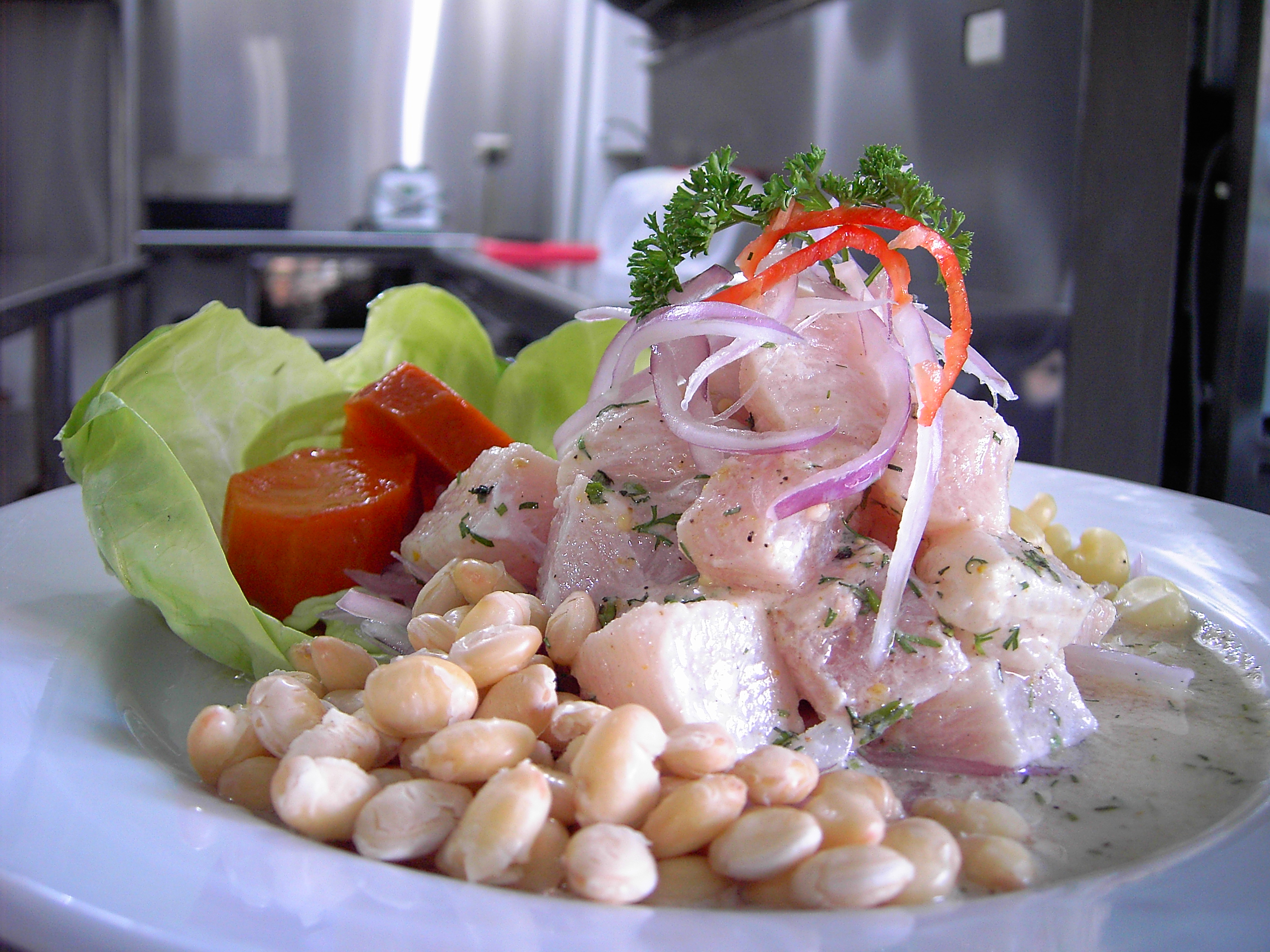
Ceviche is a vibrant, cold dish where raw seafood is 'cooked' by marinating it in the acidic juices of citrus fruits, typically lime or lemon. The denaturation of proteins by citric acid mimics the effects of heat, transforming the texture and flavor of fish and shellfish. Its preparation varies widely across countries like Ecuador, Mexico, and Chile, incorporating diverse local ingredients such as chilies, onions, cilantro, and corn. This dish represents a significant cultural touchstone, embodying the fresh, bold flavors of Pacific-rim cuisines and demonstrating how simple ingredients can be elevated through precise technique.
🎵 Origins & History
The precise origins of ceviche are debated. Indigenous peoples along the Pacific coast consumed raw fish cured with fermented fruits or juices long before the arrival of Europeans. The Spanish introduced citrus fruits, particularly limes, which revolutionized the preparation, leading to the modern ceviche. Early versions likely involved local ingredients like ají peppers and salt. Japanese immigrants influenced Peruvian ceviche in the 20th century, who introduced techniques for preparing very fresh, high-quality fish, further refining the dish.
⚙️ How It Works
The 'cooking' process in ceviche is a marvel of biochemistry. It relies on the denaturation of proteins in raw seafood by citric acid found in lime, lemon, or sour orange juice. When the acid comes into contact with the proteins, it alters their three-dimensional structure, causing them to unravel and coagulate, much like heat does. This process changes the seafood's texture from translucent and soft to opaque and firm, while also imparting a tangy flavor. Other ingredients like red onions, cilantro, and various chili peppers are added to complement the seafood and the acidic cure.
📊 Key Facts & Numbers
The Peruvian Ministry of Production provided the annual fish consumption statistic. Peruvian cevicherías are thriving in major international cities like New York City and London.
👥 Key People & Organizations
While ceviche is a communal dish, key figures in its popularization include Peruvian chefs like Gastón Acurio, who has championed Peruvian cuisine globally. The National Institute of Culture in Peru has been instrumental in documenting and preserving traditional ceviche preparation methods. While no single inventor is credited, countless local cooks and fishermen across the Pacific coast have contributed to its evolution.
🌍 Cultural Impact & Influence
Ceviche's influence extends far beyond the dinner plate. It has become a symbol of Peruvian identity. Its vibrant colors and fresh flavors have inspired artists, writers, and musicians. The dish's popularity has fueled a global appreciation for Latin American gastronomy, leading to increased demand for ingredients like ají amarillo and leche de tigre (the marinade itself). The 'cevichería' has become a cultural hub in many cities, fostering social interaction and culinary exploration, and influencing the development of similar 'raw bar' concepts worldwide.
⚡ Current State & Latest Developments
In 2024, ceviche continues its global ascent, with chefs worldwide experimenting with novel ingredients and techniques. Peruvian cevicherías are thriving in major international cities like New York City and London. The focus remains on sustainability and sourcing, with growing awareness around the environmental impact of seafood consumption. Innovations include using less common seafood, incorporating tropical fruits beyond lime, and exploring fusion approaches. The debate over the 'correct' way to make ceviche, particularly the Peruvian style, remains a lively topic among culinary enthusiasts and chefs.
🤔 Controversies & Debates
The primary controversy surrounding ceviche centers on authenticity and regional variations. Peruvians often assert that their style, characterized by a potent 'leche de tigre' and specific accompaniments like sweet potato and choclo, is the definitive version. This often sparks friendly (and sometimes not-so-friendly) debates with enthusiasts from other countries like Ecuador (known for its shrimp ceviche with tomato sauce) or Mexico (which often includes avocado and tomato). Another point of contention, though less common, is the acceptable marination time, with some preferring a 'cooked' texture and others a more 'raw' bite. Food safety concerns regarding raw seafood also occasionally surface, though proper handling mitigates these risks.
🔮 Future Outlook & Predictions
The future of ceviche appears to be one of continued innovation and global expansion. Expect to see more fusion ceviches incorporating ingredients from Asian and Mediterranean culinary traditions. Sustainable sourcing will become even more critical, potentially leading to greater use of underutilized or farmed seafood species. As climate change impacts fish populations, chefs may explore novel curing agents or alternative protein sources. The 'ceviche kit' or pre-marinated seafood for home cooks could also see a surge in popularity, democratizing access to this iconic dish.
💡 Practical Applications
Ceviche's primary application is as a refreshing appetizer or light main course, particularly popular in warm climates and coastal regions. It's a cornerstone of Peruvian and other Latin American restaurants worldwide. Beyond restaurants, ceviche is a common dish at home gatherings, beachside eateries, and food festivals. The 'leche de tigre' itself is often served as a potent shot, believed by some to be a hangover cure. Its versatility allows for adaptation with various seafood types, from firm white fish like corvina and sea bass to shrimp, scallops, and octopus.
Key Facts
- Category
- culture
- Type
- topic