
Contents
Overview
Classical ballet's roots trace back to the Italian Renaissance courts, where elaborate court dances served as both entertainment and political display. These early forms, known as balletti, were codified by choreographers like Domenico da Piacenza and Fabritio Caroso. The art form truly began to take shape in France under the patronage of King Louis XIV. Figures like Jean-Georges Noverre advocated for ballet d'action, a narrative form that emphasized emotional expression. The 19th century, particularly the Romantic era with ballets like La Sylphide and the Classical era with masterpieces such as The Sleeping Beauty and Swan Lake choreographed by Marius Petipa in Russia, cemented the aesthetic and technical vocabulary we recognize today.
⚙️ How It Works
The mechanics of classical ballet are built upon a precise and demanding physical vocabulary. Central to its technique is the concept of turnout, the outward rotation of the legs from the hip sockets, which allows for greater range of motion and aesthetic lines. Dancers train extensively to achieve and maintain this rotation, alongside developing exceptional strength and control for pointe work—dancing on the tips of the toes, primarily for female dancers. Other key elements include high extensions (lifting the leg to 90 degrees or higher), precise footwork, controlled jumps (allegro), and sustained, fluid movements (adagio). The five basic positions of the feet and arms, first codified by Pierre Beauchamp, serve as the foundation for all classical ballet steps, ensuring a consistent language understood globally by dancers trained in methods like the Vaganova Method (Russian), the Cecchetti Method (Italian), and the Bournonville Method (Danish).
📊 Key Facts & Numbers
The Bolshoi Ballet in Moscow and the Paris Opera Ballet in France are major ballet companies. Training typically begins between the ages of 7 and 10. Pointe shoes, a critical tool for female dancers, can cost between $80 and $150 per pair and typically last only 10-20 hours of intense use, leading to an annual shoe expenditure of thousands of dollars for professional dancers.
👥 Key People & Organizations
Key figures who shaped classical ballet include King Louis XIV, whose establishment of the Académie Royale de Danse was pivotal. Jean-Georges Noverre revolutionized ballet with his theories on ballet d'action in the 18th century. The 19th century was dominated by the genius of Marius Petipa. His collaborator, Lev Ivanov, is credited with choreographing the iconic second and fourth acts of Swan Lake. Training methodologies were later codified by masters such as Agrippina Vaganova in Russia, Enrico Cecchetti in Italy, and August Bournonville in Denmark, whose respective schools continue to influence dancers worldwide. Major organizations like the Royal Academy of Dance (RAD) and the Imperial Society of Teachers of Dancing (ISTD) provide standardized curricula and examinations for ballet education globally.
🌍 Cultural Impact & Influence
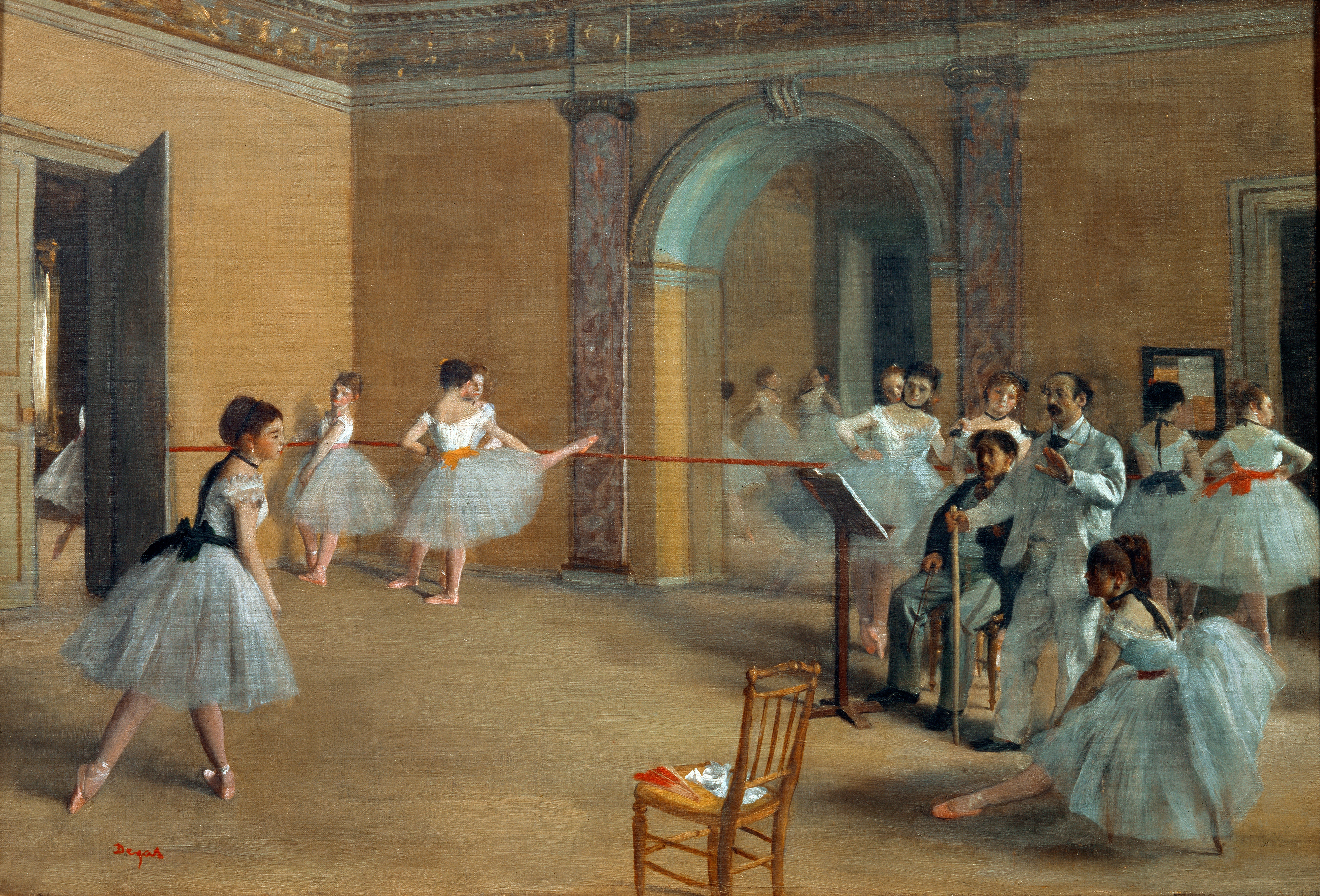
Classical ballet's influence extends far beyond the stage, permeating visual arts, fashion, and even popular culture. Its aesthetic of grace, discipline, and idealized form has been a recurring muse for painters like Edgar Degas and Henri de Toulouse-Lautrec. The sleek lines and demanding physicality of ballet have inspired fashion designers, from the early tutus influencing sportswear to contemporary designers incorporating balletic silhouettes. Furthermore, the discipline and precision inherent in classical ballet training are often cited as transferable skills, influencing approaches to physical education and performance arts across various disciplines, including contemporary dance and musical theatre.
⚡ Current State & Latest Developments
The landscape of classical ballet in 2024-2025 is marked by a push for greater diversity and inclusion, alongside continued artistic innovation. Companies like the American Ballet Theatre and The Royal Ballet are actively commissioning works from a broader range of choreographers, including Crystal Pite and Wayne McGregor, who bring contemporary sensibilities to classical foundations. There's a growing emphasis on repertoire that reflects a wider range of human experiences, moving beyond traditional narratives. Digital platforms are also playing a larger role, with many companies offering high-quality streaming services for performances and online training programs, expanding their reach beyond physical theaters. The Vaganova method and Cecchetti method remain dominant training paradigms, but there's increasing exploration of cross-training and somatic practices to enhance dancer well-being and prevent injuries.
🤔 Controversies & Debates
Classical ballet faces ongoing debates regarding its perceived elitism and the physical demands placed on dancers. Critics argue that the traditional aesthetic, with its emphasis on specific body types and often Eurocentric narratives, needs to evolve to be more inclusive. The intense training regimen, while producing extraordinary artistry, also leads to high rates of injury and mental health challenges among dancers, prompting discussions about healthier training practices and support systems. The historical reliance on the male gaze in choreography and costuming is also being re-examined, with a growing movement towards more empowering roles for female dancers and exploration of diverse choreographic voices. The economic sustainability of professional ballet companies, particularly smaller ones, remains a persistent concern, exacerbated by fluctuating ticket sales and funding challenges.
🔮 Future Outlook & Predictions
The future of classical ballet likely involves a continued synthesis of tradition and innovation. Expect to see more cross-disciplinary collaborations, integrating elements of contemporary dance, circus arts, and even virtual reality into ballet productions. Choreographers will likely continue to challenge traditional narrative structures and explore more abstract or socially relevant themes. Efforts to diversify casting and repertoire will intensify, aiming to make ballet more accessible and representative of global audiences. Advances in sports science and physiotherapy will also play a crucial role in improving dancer longevity and well-being, potentially leading to revised training methodologies. The integration of digital technologies, from augmented reality stage effects to sophisticated online performance platforms, will further redefine how ballet is created, consumed, and experienced.
💡 Practical Applications
Classical ballet serves as the bedrock for numerous practical applications within the performing arts and beyond. Its rigorous training develops exceptional physical control, discipline, and artistry, making ballet d
Key Facts
- Category
- aesthetics
- Type
- topic