
Contents
Overview
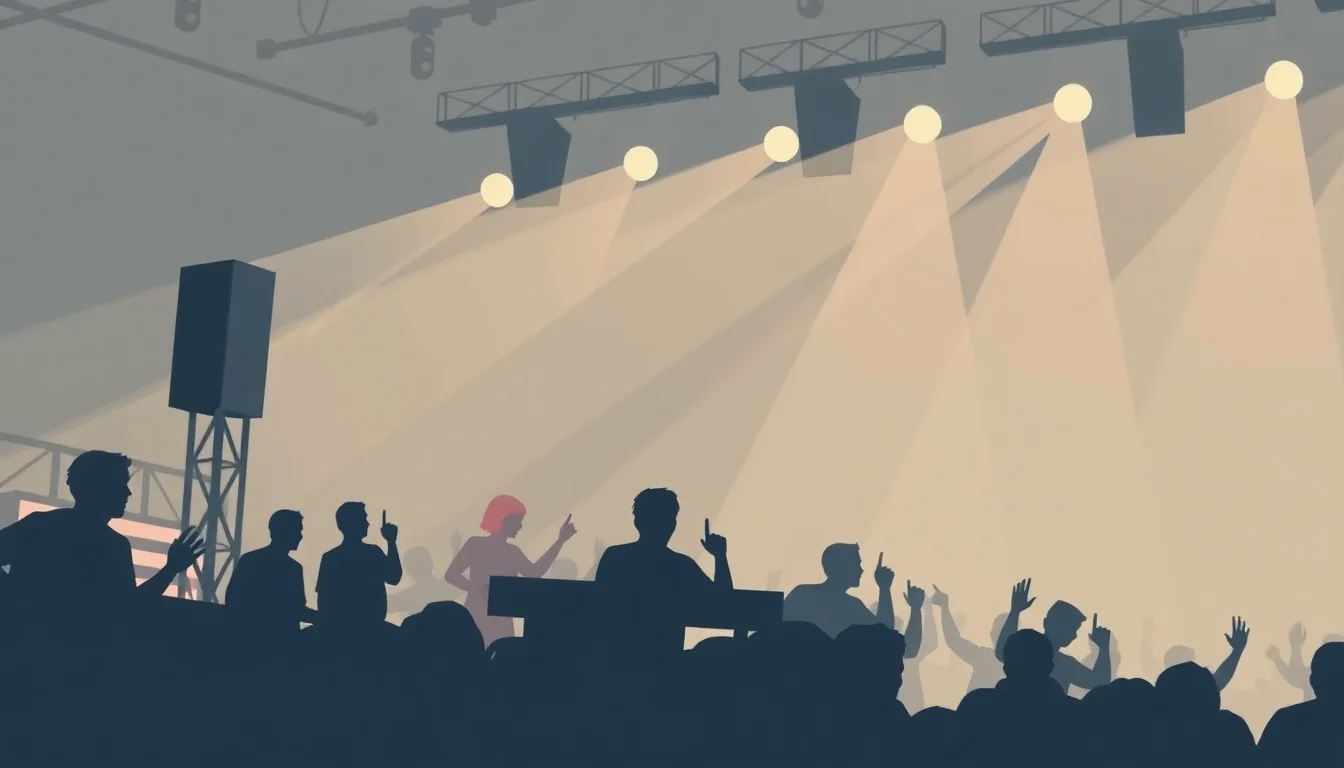
Club music, broadly categorized under EDM, is the sonic heartbeat of the nocturnal world, engineered for collective movement and sensory immersion. It's not just background noise; it's a meticulously crafted experience designed for playback by disc jockeys who weave tracks into continuous journeys. This genre thrives in the intimate confines of nightclubs and the expansive energy of music festivals, evolving constantly from its roots in disco and early electronic experimentation. The core function remains: to move bodies and minds through rhythm and synthesized sound.
📍 Where to Experience It
The physical spaces where club music truly lives are as diverse as its subgenres. From the legendary underground vaults of Berlin's Berghain to the sun-drenched beach clubs of Ibiza, the geography of club music is global. In major cities like London, New York, and Tokyo, dedicated venues range from intimate, dimly lit rooms hosting underground techno nights to sprawling arenas for mainstream EDM acts. Each location offers a distinct atmosphere, influencing the type of music played and the crowd it attracts, making location a critical factor in the club music experience.
⏰ Peak Times & Vibe
The pulse of club music beats strongest after midnight, with peak hours typically falling between 1 AM and 4 AM. This is when DJs are often hitting their stride, and the collective energy of the crowd reaches its zenith. The vibe can shift dramatically depending on the night, the DJ, and the specific subgenre being played. A deep house night might foster a more soulful, introspective atmosphere, while a hard techno set will likely ignite a more intense, frenetic energy. Understanding these temporal and stylistic nuances is key to finding the right night.
💰 Entry & Costs
Entry fees for club music experiences vary wildly. Smaller, underground venues might charge a nominal cover of $10-$20, often covering the DJ's fee and basic operational costs. Larger clubs and festivals can command tickets from $50 to $200+, especially for headline acts or multi-day events. Drink prices are another significant factor, with a single cocktail in a high-end club potentially costing $15-$20. Budgeting for both admission and refreshments is essential for a comfortable night out, and some venues offer tiered ticketing or VIP options.
🎧 Key Genres & Sounds
The sonic palette of club music is vast, encompassing a dizzying array of subgenres. Techno, with its repetitive, industrial rhythms, forms a bedrock for many darker, more intense experiences. House music, born in Chicago, offers a more soulful, groove-oriented sound, spawning countless variations like deep house, tech house, and progressive house. Beyond these pillars, you'll find the euphoric builds of trance, the bass-heavy swagger of drum and bass, and the eclectic, genre-bending sounds of bass music.
🌟 Notable DJs & Producers
The architects of club music are its DJs and producers, individuals who shape the sonic landscape. Pioneers like Frankie Knuckles laid the groundwork for house music, while figures such as Jeff Mills have defined the relentless drive of techno. In the contemporary scene, artists like Charlotte de Witte and Peggy Gou command global audiences, pushing boundaries and influencing trends. Their technical skill in mixing and their creative vision in production are what elevate a night from mere dancing to a profound auditory journey.
🔥 The Culture & Community
Club music is more than just sound; it's a culture built on shared experience and a sense of belonging. For decades, it has provided a sanctuary for marginalized communities and a space for uninhibited self-expression. The rituals of the dance floor, the communal energy, and the dedication to the music foster a unique bond among attendees. This sense of community extends beyond the club, connecting people through online forums, record labels, and shared appreciation for the art form.
📈 Evolution & Future
From its origins in the late 1970s and early 1980s, club music has undergone constant evolution, driven by technological advancements and shifting cultural tastes. The advent of digital production tools and streaming platforms has democratized music creation and distribution, leading to an explosion of new sounds and artists. The future likely holds further hybridization of genres, increased integration of visual arts and immersive technologies, and ongoing debates about the role of AI in music production and curation.
🤔 Club Music Debates
The discourse surrounding club music is often lively. A persistent debate revolves around the commercialization of EDM, with some lamenting the shift from underground roots to mainstream festival circuits, questioning the authenticity of larger productions. Another point of contention is the definition of 'real' club music versus more accessible, pop-influenced electronic tracks. Furthermore, discussions frequently arise about the ethical implications of artist fees, venue sustainability, and the impact of gentrification on historically significant clubbing districts.
💡 Practical Tips for Nightlife
To navigate the world of club music effectively, arrive early to get a feel for the venue and the opening DJs, especially if you're unfamiliar with the night. Dress comfortably and appropriately for the club's specific vibe – some venues have strict dress codes, while others are more relaxed. Stay hydrated, pace yourself, and be aware of your surroundings. If you're interested in specific artists, check their tour schedules and follow them on social media for updates on releases and events. Exploring local listings and music blogs is also a great way to discover new venues and DJs.
Key Facts
- Year
- 2023
- Origin
- Late 20th Century
- Category
- Music
- Type
- Genre
Frequently Asked Questions
What's the difference between EDM and club music?
While often used interchangeably, 'club music' specifically refers to electronic dance music produced for and played in nightclubs. EDM is a broader umbrella term that encompasses all forms of electronic dance music, including genres played at festivals, concerts, and even in more casual settings. Think of club music as a primary, but not exclusive, application of EDM.
How do I find out what DJs are playing at a club?
Most clubs and event promoters list their lineups on their websites and social media pages (Instagram, Facebook, Resident Advisor). Following your favorite venues and DJs on these platforms is the best way to stay informed. Some platforms like Resident Advisor specialize in listing electronic music events globally.
What's the etiquette for dancing at a club?
The golden rule is to be mindful of others. Don't block pathways, avoid bumping into people excessively, and respect personal space. Dancing is about self-expression, so let loose, but be aware of the energy around you. If you're in a crowded space, try to dance within your immediate area.
Are there specific dress codes for club music venues?
It varies significantly. High-end clubs or those focusing on certain genres might have dress codes (e.g., no sneakers, smart casual). Underground techno or house clubs are often more relaxed, prioritizing comfort and individual style. Always check the venue's website or social media for specific guidelines before you go.
How can I discover new club music genres?
Explore playlists on streaming services curated by DJs or labels. Listen to mixes from DJs who play different styles. Read music publications and blogs that cover electronic music. Attending events with diverse lineups can also expose you to sounds you might not have encountered otherwise.
What is a DJ mix, and why is it important?
A DJ mix is a continuous sequence of tracks blended together seamlessly by a DJ. It's crucial because it creates a journey for the listener, building energy, shifting moods, and showcasing the DJ's selection and mixing skills. For clubbing, the DJ mix is the primary way music is presented, aiming to keep people dancing without interruption.