
Contents
Overview
The Congress of South African Trade Unions (COSATU) was officially launched in December 1985, a culmination of years of fragmented but burgeoning worker organization under apartheid. Its formation was a strategic move to create a unified, powerful voice for Black workers, who had been systematically excluded from meaningful labor representation. Precursors like the United Mining Workers Union and the Transport and General Workers Union were instrumental in laying the groundwork. The federation emerged as a key component of the United Democratic Front (UDF), a broad anti-apartheid coalition, demonstrating its deep integration into the liberation struggle. Early leaders like Chris Hlabane and Jay Naidoo navigated the complex political terrain, steering COSATU through strikes and negotiations that would ultimately contribute to the dismantling of apartheid and the establishment of a democratic South Africa in 1994. The federation's commitment to worker solidarity and its strategic alliances were crucial to its early success and enduring influence.
⚙️ How It Works
COSATU operates as a federation, meaning it is an umbrella body for numerous independent trade unions, each representing workers within specific industries or sectors. These affiliated unions, such as the National Union of Metalworkers of South Africa (NUMSA) and the National Health Education and Allied Workers Union (NEHAWU), retain their autonomy in day-to-day operations, collective bargaining, and membership recruitment. COSATU's central role involves coordinating national bargaining strategies, providing legal and research support to its affiliates, and engaging in political advocacy at the national level. It also plays a critical role in policy formulation, often through its alliance with the African National Congress (ANC) and the South African Communist Party (SACP), collectively known as the Tripartite Alliance. The federation's decision-making structures include a national congress, a central executive committee, and a smaller executive committee, ensuring democratic representation from its member unions.
📊 Key Facts & Numbers
COSATU is the largest of South Africa's three main trade union federations, boasting a membership that has historically fluctuated but often hovers around 1.8 million to 2 million workers. The federation comprises 21 distinct affiliated trade unions, covering a vast spectrum of the South African economy, from mining and manufacturing to public services and finance. COSATU's annual budget is substantial, enabling extensive advocacy, legal representation, and research initiatives. COSATU's political influence is often measured by its ability to mobilize large-scale industrial action; major strikes orchestrated by the federation have sometimes involved hundreds of thousands of workers, leading to significant economic disruption and wage increases. For instance, the 2010 public sector strike saw over 1.3 million workers participate, demanding a 15% wage increase.
👥 Key People & Organizations
Key figures in COSATU's history include its first general secretary, Chris Hlabane, and its second general secretary, Jay Naidoo, who led the federation during its formative years and its crucial role in the anti-apartheid struggle. Current leadership, such as Sihle Zikalala (as President) and Solly Mapaila (as General Secretary), continue to navigate the federation's complex political and economic agenda. Beyond individuals, COSATU's strength lies in its affiliated unions, including the National Union of Mineworkers (NUM), which historically represented a significant portion of the federation's membership, and the Public and Allied Workers Union (PAWUSA). The Tripartite Alliance, comprising COSATU, the ANC, and the SACP, is a critical organizational structure that shapes South African governance and policy.
🌍 Cultural Impact & Influence
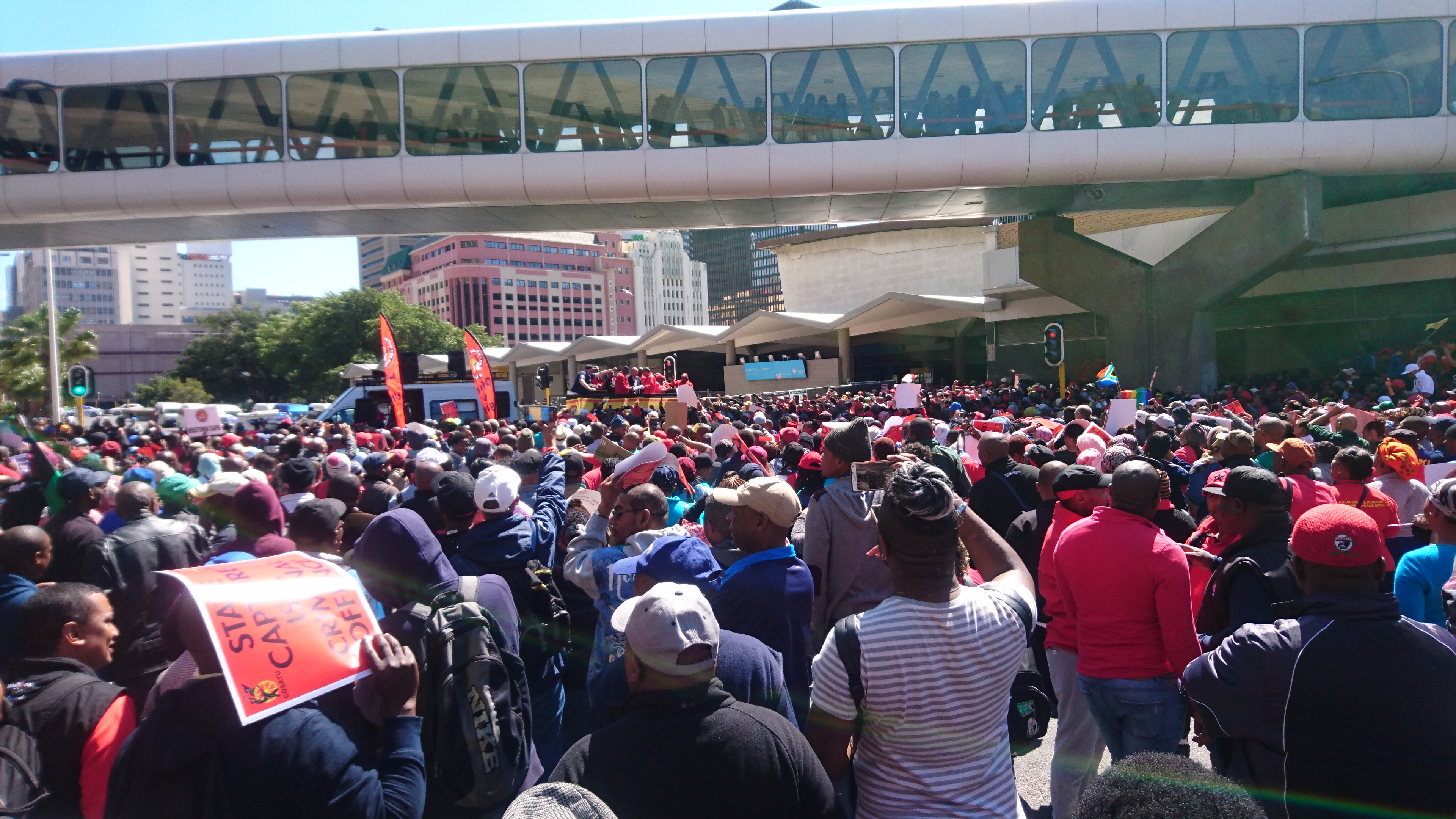
COSATU's cultural impact extends far beyond the workplace, deeply embedding itself into the fabric of South African society and politics. Its anti-apartheid activism and subsequent role in the democratic transition have cemented its status as a liberation movement in the eyes of many. The federation's campaigns for social justice, economic equality, and workers' rights have influenced public discourse and policy debates for decades. COSATU's public demonstrations and strikes, often characterized by vibrant marches and powerful rhetoric, have become significant cultural events. COSATU's close relationship with the ANC has meant that its policy priorities have frequently shaped government agendas, impacting everything from labor laws to social welfare programs. This deep integration has also led to debates about the extent to which COSATU has maintained its independence as a labor advocate versus acting as a political ally.
⚡ Current State & Latest Developments
In the current landscape of 2024-2025, COSATU continues to grapple with declining membership in some traditional sectors, particularly mining, while seeking to organize new workforces in the gig economy and service industries. The federation remains a key player in the Tripartite Alliance, though tensions within the alliance, particularly concerning economic policy and governance, are frequently evident. Recent developments include ongoing negotiations for public sector wages, advocacy for stronger labor protections against precarious employment, and participation in debates surrounding state capture and corruption. COSATU has also been vocal in its criticism of rising unemployment and inequality, pushing for more robust government interventions. COSATU's ability to adapt to evolving economic conditions and maintain worker solidarity in the face of new challenges will be critical to its future relevance.
🤔 Controversies & Debates
COSATU is no stranger to controversy, with debates often centering on its close alliance with the ANC. Critics argue that this political entanglement compromises COSATU's ability to act as an independent check on government power, particularly when the ANC's policies may not align with workers' best interests. The federation has faced accusations of prioritizing political expediency over genuine worker advocacy, especially during periods of economic austerity or when defending controversial ANC decisions. Furthermore, internal divisions and factionalism within COSATU, as well as disputes with its own affiliates like NUMSA which was eventually expelled, have led to public disagreements and weakened its unified front. The federation's role in the state capture era also drew scrutiny, with questions raised about its response to widespread corruption within state-owned enterprises and government departments.
🔮 Future Outlook & Predictions
The future outlook for COSATU is complex, hinging on its capacity to adapt to South Africa's changing economic and social realities. A key challenge will be reversing declining membership trends, particularly in sectors facing automation and economic restructuring, and successfully organizing workers in the informal and gig economies. The federation's relationship with the ANC and the SACP within the Tripartite Alliance will continue to be a defining factor; shifts in political power or policy direction within the alliance could significantly impact COSATU's influence. Experts predict that COSATU will need to embrace new organizing models and digital tools to remain relevant to younger generations of workers. Its ability to effectively address issues like youth unemployment, the cost of living crisis, and the demand for greater economic redistribution will determine its long-term viability.
Key Facts
- Category
- movements
- Type
- topic