
Contents
Overview
The concept of the 'cost of poverty' has evolved over decades, with early observations tracing back to the mid-20th century. Sociologists and economists began documenting how marginalized communities faced systemic disadvantages that translated into higher living expenses. Early studies by scholars like John Kenneth Galbraith in his 1958 book The Affluent Society touched upon the existence of 'insular poverty' where individuals were trapped by their circumstances. The term 'ghetto tax' gained traction in the late 20th century, particularly in urban studies, to describe the premium paid for goods and services in underserved neighborhoods. More recently, research has broadened to include not just financial costs but also the profound impacts on health, education, and social mobility, as detailed in seminal works by researchers like William Julius Wilson. The United Nations and various World Bank reports have also contributed to framing poverty as a costly condition for both individuals and nations.
⚙️ How It Works
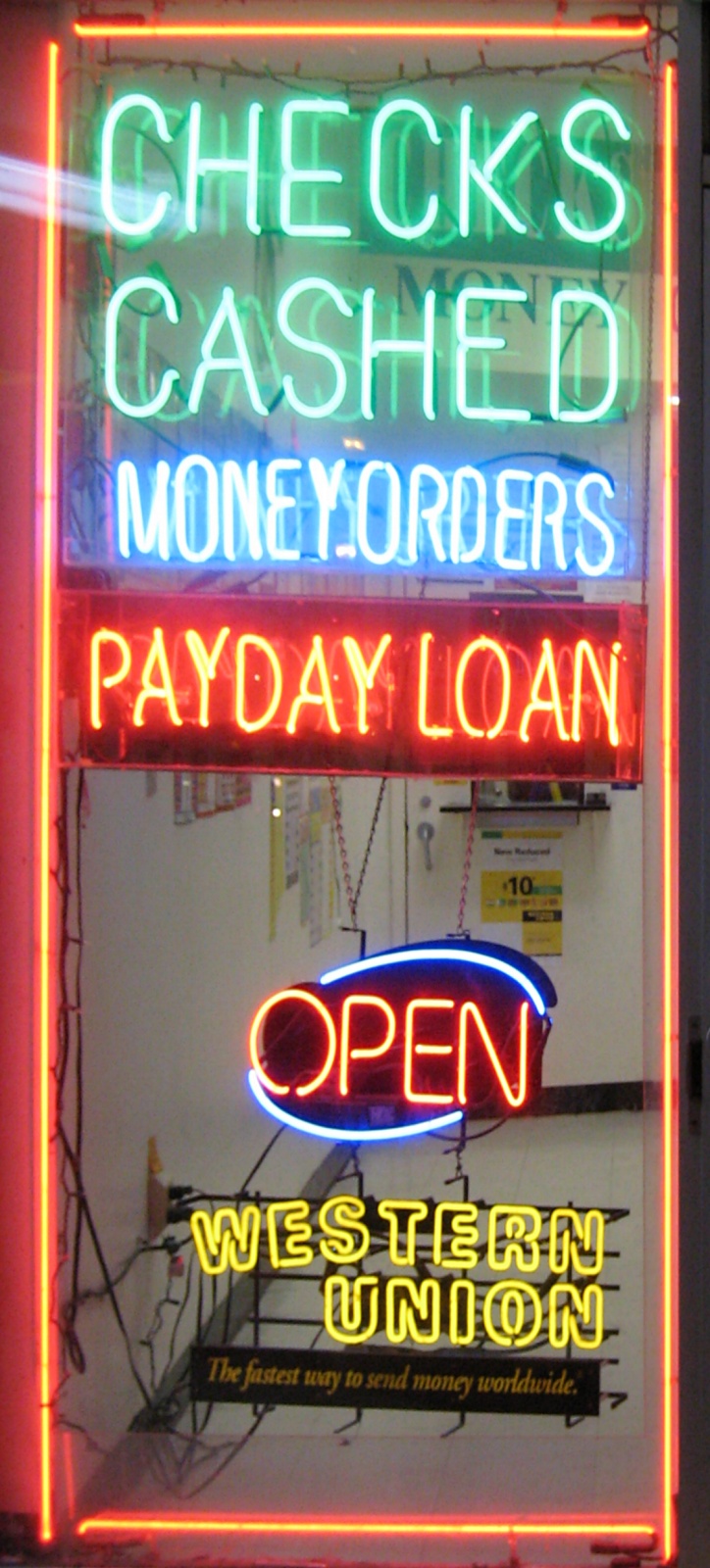
The cost of poverty operates through several interconnected mechanisms. For individuals, it means paying higher interest rates on loans due to poor credit scores, facing inflated prices for groceries in 'food deserts' lacking supermarkets, and incurring higher transportation costs due to limited public transit options. Time costs are significant, as individuals may spend hours traveling to work or accessing essential services. Health costs are exacerbated by environmental hazards in low-income areas and limited access to preventative care, leading to higher rates of chronic diseases. For society, these individual costs aggregate into substantial economic burdens, including increased spending on social welfare programs, higher healthcare system strain, and lost tax revenue from underemployment. The Federal Reserve Bank of Chicago has explored how these factors can create a 'poverty trap' that is difficult to escape.
📊 Key Facts & Numbers
Key figures in understanding the cost of poverty include economists and sociologists who have dedicated their careers to studying its effects. Jeffrey Sachs, a prominent economist, has extensively documented the global economic burden of poverty and advocated for its eradication. Anne Case and Angus Deaton have shed light on the 'deaths of despair' linked to economic hardship and declining health among certain demographics. Organizations like the Abdul Latif Jameel Poverty Action Lab (J-PAL) conduct rigorous research to identify effective anti-poverty interventions, while groups such as Bread for the World lobby for policy changes. The Brookings Institution and the Urban Institute frequently publish research and policy recommendations on poverty reduction strategies.
👥 Key People & Organizations
The cultural resonance of the 'cost of poverty' is profound, shaping narratives around inequality and social justice. It has fueled movements advocating for a living wage, affordable housing, and equitable access to education and healthcare. The concept is frequently depicted in literature, film, and journalism, highlighting the systemic barriers faced by low-income individuals. For example, documentaries like The House I Live In explore the intersection of poverty, race, and the justice system. The 'poverty premium' has also become a key talking point in political discourse, influencing debates on taxation, social safety nets, and economic policy, as seen in discussions surrounding Bernie Sanders's policy proposals.
🌍 Cultural Impact & Influence
Current discussions on the cost of poverty are increasingly focused on its intersection with other systemic issues like racial injustice and climate change. Researchers are now exploring the 'climate poverty premium,' where vulnerable populations reportedly face higher costs due to climate-related disasters and the transition to a green economy. Policy initiatives like the expanded Child Tax Credit in the U.S. have demonstrated the potential for direct financial interventions to mitigate some of these costs, though their long-term sustainability remains a subject of debate. The IMF and World Bank continue to analyze the global economic implications of persistent poverty.
⚡ Current State & Latest Developments
A significant controversy surrounding the 'cost of poverty' lies in the precise quantification of its societal impact. Critics argue that attributing specific dollar amounts to societal costs can be overly simplistic and may overlook the complex interplay of factors contributing to poverty. There's also debate over whether focusing solely on the 'cost' frames poverty as a burden on the wealthy rather than a fundamental human rights issue. Furthermore, some argue that the 'ghetto tax' narrative can inadvertently stigmatize low-income neighborhoods, rather than highlighting the predatory practices of businesses operating within them. The effectiveness and ethical implications of various proposed solutions, such as universal basic income or targeted subsidies, also remain contentious.
🤔 Controversies & Debates
The future outlook for addressing the cost of poverty hinges on policy innovation and a deeper societal understanding of its pervasive effects. Futurists predict that advancements in data analytics and AI could enable more precise measurement and targeted interventions, potentially identifying 'poverty hotspots' and predicting future costs. There's a growing expectation that governments and corporations will face increasing pressure to account for their role in perpetuating or alleviating poverty-related costs. Emerging economic models, such as doughnut economics and circular economy principles, offer frameworks for building more resilient and equitable systems that minimize these costs. The ongoing debate around universal basic income (UBI) suggests a potential paradigm shift in how societies approach poverty alleviation.
🔮 Future Outlook & Predictions
Practical applications of understanding the cost of poverty are vast, informing policy design and resource allocation. Governments use these estimates to justify investments in social programs, education, and infrastructure in underserved areas. Urban planners can employ data on 'food deserts' and transportation costs to design more equitable city layouts and improve public services. Financial institutions and non-profits can develop targeted products and services, like low-interest loans or financial literacy programs, to help individuals escape predatory lending and reduce their 'poverty premium.' Businesses can also be incentivized through policy to invest in low-income communities, offering better wages and services, thereby reducing the societal cost of poverty. For example, initiatives like Good Jobs Nation advocate for better employment opportunities.
Key Facts
- Category
- economics
- Type
- topic