
Contents
- 🎵 Origins & History
- ⚙️ How It Works
- 📊 Key Facts & Numbers
- 👥 Key People & Organizations
- 🌍 Cultural Impact & Influence
- ⚡ Current State & Latest Developments
- 🤔 Controversies & Debates
- 🔮 Future Outlook & Predictions
- 💡 Practical Applications
- 📚 Related Topics & Deeper Reading
- Frequently Asked Questions
- References
- Related Topics
Overview
The story of cotton production is a tale of independent innovation across continents. Archaeological evidence points to the domestication of cotton in the Nanchoc Valley of Peru as early as the 7th-6th millennium BC, utilizing species like Gossypium barbadense. Simultaneously, in the Indian subcontinent, indigenous cotton varieties were being cultivated and spun into fine textiles, with findings at sites like Mehrgarh suggesting usage around 5000 BC. The ancient Greeks and Romans were aware of cotton, referring to it as "vegetable wool," but its widespread adoption in Europe was slow until the medieval period and the subsequent rise of the Ottoman Empire's textile trade. The development of the cotton gin by Eli Whitney in 1793 in the United States, however, dramatically reshaped global cotton production, making slave labor immensely profitable and cementing cotton's role in the Industrial Revolution and the American economy.
⚙️ How It Works
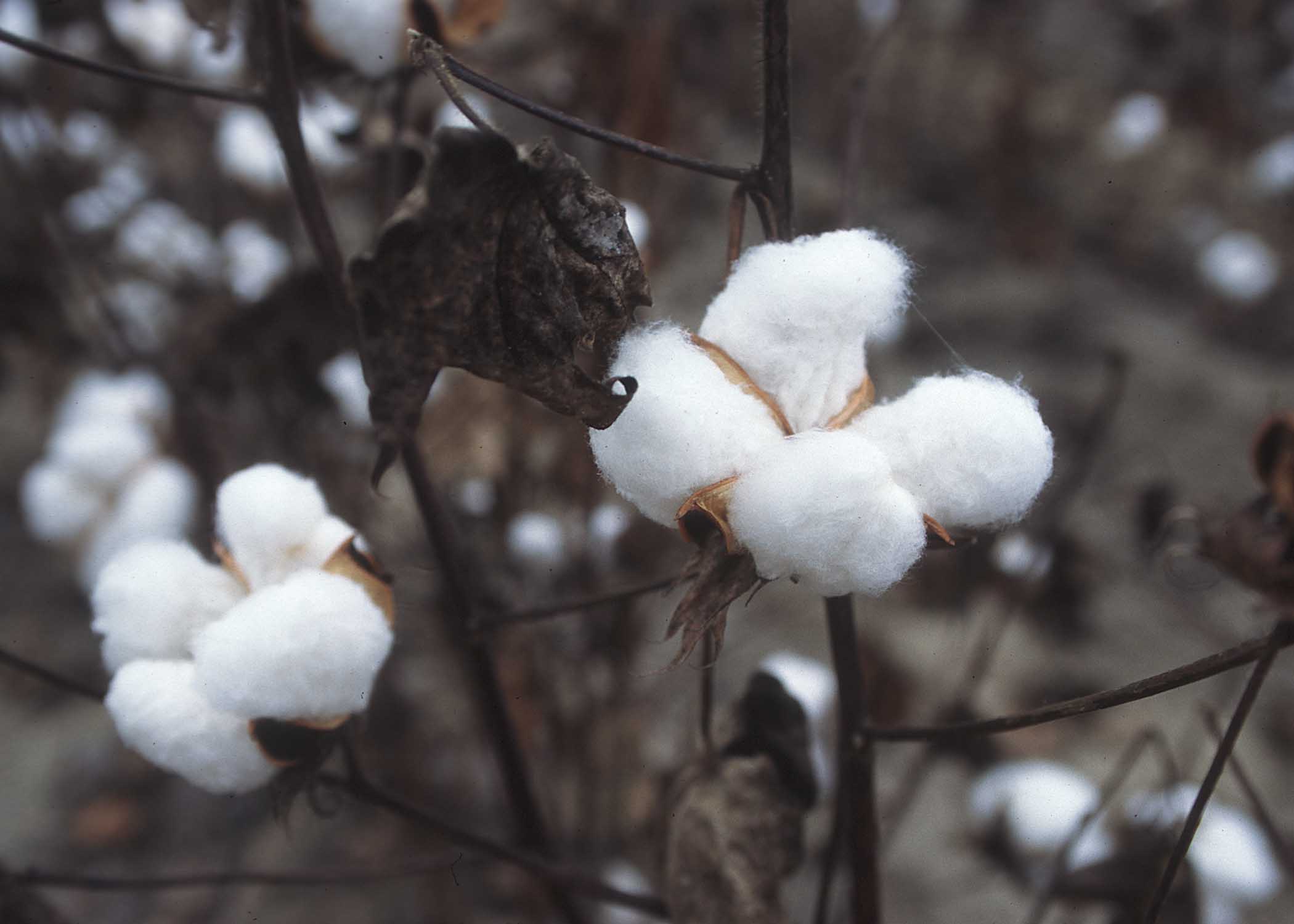
Modern cotton production is a sophisticated agricultural endeavor. It begins with planting genetically selected seeds, often treated for disease resistance, in well-prepared soil. The crop requires significant water, either through rainfall or irrigation, and is susceptible to a variety of pests and diseases, necessitating careful management strategies that can include integrated pest management (IPM) or the use of pesticides and herbicides. As the plants mature, they produce bolls that split open to reveal the fluffy fiber. Harvesting is now largely mechanized, with specialized machines called cotton pickers and cotton strippers efficiently collecting the bolls. Post-harvest, the cotton undergoes ginning to separate the lint (fiber) from the seeds, followed by baling into large, dense modules for transport to textile mills where it's spun into yarn.
📊 Key Facts & Numbers
The scale of global cotton production is staggering. In the 2023-2024 season, the world produced an estimated 112.9 million bales of cotton, with each bale weighing approximately 480 pounds (218 kg). India leads global production, accounting for roughly 25% of the world's output, followed by China (around 23%) and the United States (about 15%). Cotton cultivation consumes an estimated 2.5% of the world's arable land but accounts for a disproportionately high 16% of global insecticide use and 7% of pesticide use. Water consumption is also a major factor, with estimates suggesting it takes around 2,700 liters (713 gallons) of water to produce a single cotton t-shirt. The global cotton market is valued at over $60 billion annually.
👥 Key People & Organizations
Several key figures and organizations have shaped cotton production. Eli Whitney's invention of the cotton gin in 1793 revolutionized processing in the Americas. Mahatma Gandhi famously championed the spinning of khadi (homespun cotton) as a symbol of Indian self-reliance during the Indian independence movement. Major agricultural corporations like Bayer AG (through its Monsanto acquisition) and Corteva Agriscience are significant players in developing and supplying genetically modified cotton seeds and crop protection products. International bodies such as the International Cotton Advisory Committee (ICAC) and the World Trade Organization (WTO) play roles in setting standards, facilitating trade, and addressing policy issues related to cotton.
🌍 Cultural Impact & Influence
Cotton's influence extends far beyond agriculture, deeply embedding itself in global culture and economics. For centuries, the quality and fineness of textiles, particularly Indian cotton muslins and calicos, were markers of status and wealth. The demand for cotton fueled colonial expansion, the transatlantic slave trade, and the rise of industrial manufacturing in places like Manchester, England, earning it the moniker "King Cotton" in the American South. Today, cotton remains the dominant fiber in apparel, bedding, and towels, representing approximately 30% of all textile fiber consumption worldwide. Its cultural resonance is evident in everything from fashion trends to historical narratives of labor and industrialization.
⚡ Current State & Latest Developments
The current landscape of cotton production is marked by a push towards sustainability and technological advancement. Companies are investing heavily in biotechnology to develop drought-resistant and pest-resistant cotton varieties, aiming to reduce water and chemical inputs. Precision agriculture techniques, utilizing GPS and sensor technology, are becoming more common for optimizing irrigation and fertilization. There's also a growing consumer demand for organic cotton and recycled cotton, driving brands like Patagonia and H&M to increase their sourcing of these more environmentally friendly materials. The Better Cotton Initiative (BCI) is a prominent multi-stakeholder platform working to make global cotton production more sustainable.
🤔 Controversies & Debates
Cotton production is fraught with controversy, primarily concerning its environmental and social impacts. The heavy reliance on pesticides and herbicides poses risks to farmworkers, biodiversity, and water quality. The significant water footprint of conventional cotton cultivation, particularly in arid regions, raises concerns about water scarcity. Furthermore, issues of labor exploitation, including child labor and forced labor, have historically plagued and continue to affect parts of the global cotton supply chain, particularly in regions with weak regulatory oversight. Debates also surround the widespread use of genetically modified organisms (GMOs) in cotton seeds, with critics questioning their long-term ecological effects and the market dominance of seed providers.
🔮 Future Outlook & Predictions
The future of cotton production is likely to be shaped by innovation and increasing pressure for sustainability. Expect continued advancements in gene editing technologies for developing hardier, more efficient cotton varieties that require fewer resources. The integration of artificial intelligence and blockchain technology in supply chain management could enhance transparency and traceability, addressing concerns about labor practices and origin. The circular economy will also play a larger role, with greater emphasis on textile recycling and the development of biodegradable cotton alternatives. However, the challenge of balancing increased global demand with environmental stewardship will remain a central tension.
💡 Practical Applications
Cotton's practical applications are vast and fundamental to modern life. Its primary use is in the textile industry, forming the basis for countless types of apparel, from everyday t-shirts and jeans to high-fashion garments. It's also essential for home furnishings like bed sheets, towels, and upholstery. Industrially, cotton fibers are used in producing bandages, surgical threads, and even paper. Cottonseed oil, a byproduct of ginning, is a widely used cooking oil and ingredient in processed foods. The plant's stalks and leaves can be used as animal feed or as a source of biofuel, demonstrating its multifaceted utility beyond just fiber.
Key Facts
- Year
- c. 7th-6th millennium BC (domestication)
- Origin
- Global (independently domesticated in the Americas and Indian subcontinent)
- Category
- nature
- Type
- phenomenon
Frequently Asked Questions
What is cotton and where does it come from?
Cotton is a soft, fluffy staple fiber derived from the protective case, or boll, surrounding the seeds of plants in the genus Gossypium. These plants are native to tropical and subtropical regions worldwide. The fiber is almost pure cellulose and is harvested from the mature cotton bolls, which split open to expose the fluffy material ready for collection. Its cultivation dates back thousands of years, making it one of humanity's oldest agricultural products.
How has cotton production changed over time?
Historically, cotton was hand-picked and processed laboriously. The invention of the cotton gin by Eli Whitney in 1793 revolutionized its processing, making large-scale production economically viable and deeply entwined with the Industrial Revolution and, tragically, the history of slavery in the Americas. Modern production relies heavily on mechanization for planting and harvesting, advanced irrigation techniques, and often genetically modified organisms (GMOs) for pest and herbicide resistance, alongside a growing movement towards organic cotton and sustainable practices.
What are the main environmental concerns with cotton production?
Conventional cotton farming is a significant consumer of water, often requiring extensive irrigation, which can strain resources in arid regions. It also accounts for a substantial portion of global pesticide and herbicide use, leading to concerns about soil degradation, water contamination, and harm to beneficial insects and biodiversity. The production of synthetic fertilizers also contributes to greenhouse gas emissions. These issues drive the demand for more sustainable farming methods.
Who are the major cotton-producing countries?
The top cotton-producing countries globally are India, China, and the United States, which collectively account for a significant majority of the world's supply. Other major producers include Brazil, Pakistan, Australia, and Turkey. Production levels can fluctuate annually based on weather patterns, market prices, and government policies in these key regions.
What are the social and labor issues associated with cotton production?
Historically and in some regions today, cotton production has been linked to severe labor issues, including child labor and forced labor. The demanding nature of fieldwork and low wages in some areas contribute to these problems. Ensuring fair wages, safe working conditions, and the elimination of exploitative practices throughout the supply chain remains a critical challenge for the industry, prompting initiatives like Fair Trade certifications.
How can I support more sustainable cotton production?
Consumers can support sustainable cotton production by choosing products made from organic cotton, recycled cotton, or cotton certified by organizations like the Better Cotton Initiative (BCI) or Fair Trade certifications. These labels indicate that the cotton was grown with reduced environmental impact and/or under more ethical labor conditions. Researching brands that prioritize transparency and sustainability in their supply chains is also a key step.
What is the future outlook for cotton production?
The future of cotton production is expected to focus on increased sustainability through biotechnology (e.g., drought and pest resistance), precision agriculture, and circular economy principles like textile recycling. Innovations in gene editing and the application of artificial intelligence in supply chain management will likely play significant roles. However, balancing growing global demand with environmental and social responsibility will remain the central challenge, potentially leading to greater adoption of alternative fibers or more resource-efficient cotton cultivation methods.