
Contents
Overview
The concept of imitation is as old as commerce itself, but the modern counterfeit goods industry gained significant traction with the rise of mass production and global branding in the 20th century. Early forms of counterfeiting often involved simple knock-offs of popular textiles or tools. However, the post-World War II era, marked by the proliferation of consumer culture and the establishment of international trademark laws, saw a dramatic increase in sophisticated fakes. The establishment of organizations like the World Intellectual Property Organization (WIPO) aimed to combat this growing problem, but the internet and globalized supply chains provided unprecedented opportunities for counterfeiters to reach consumers directly. The sheer volume and variety of counterfeit goods now available, from Chanel No. 5 perfume to PlayStation 5 consoles, underscore the persistent challenge of intellectual property enforcement.
⚙️ How It Works
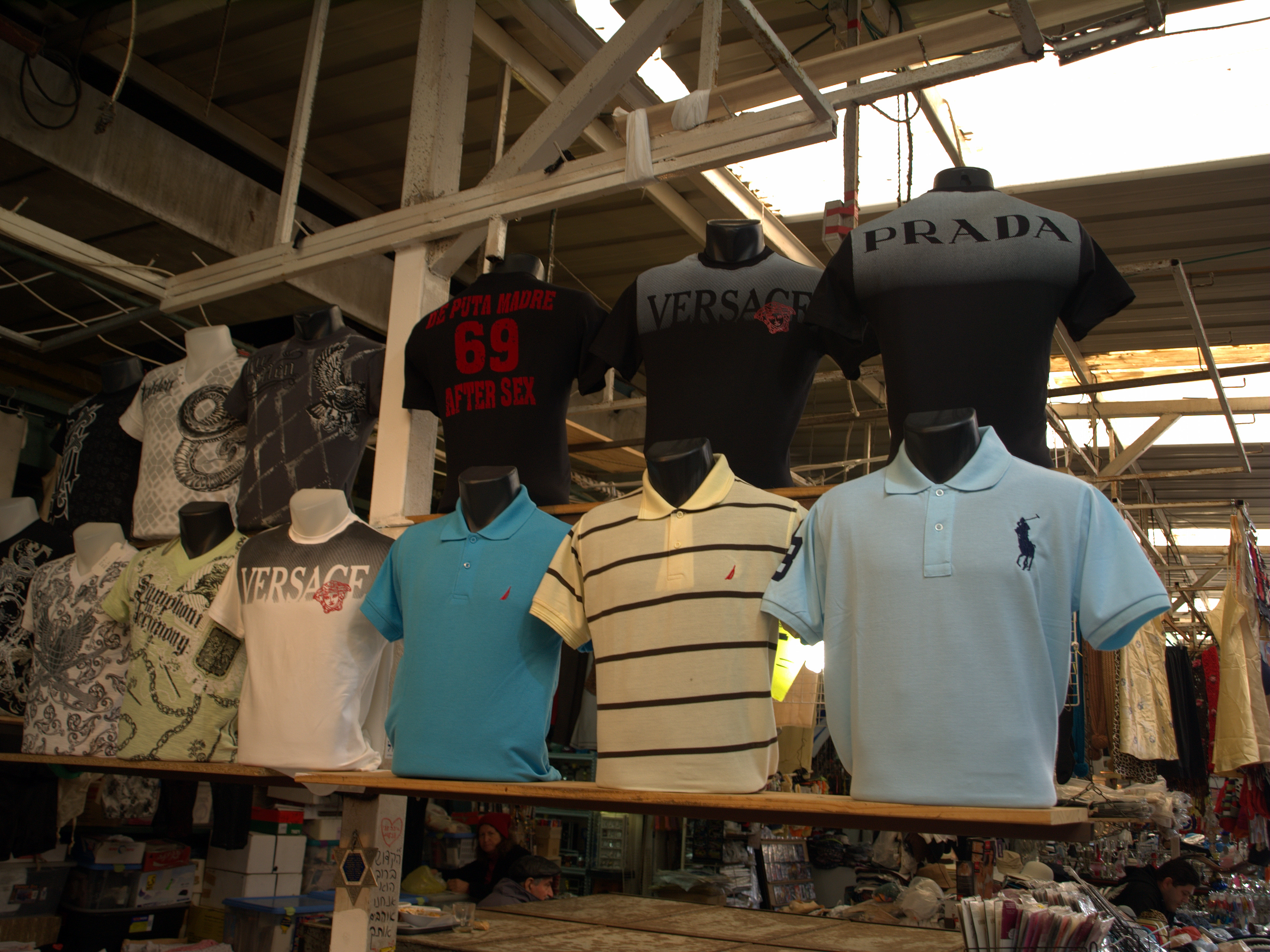
Counterfeit goods are produced through clandestine operations that bypass legitimate manufacturing processes and quality control. These operations often involve sourcing cheap raw materials, employing exploited labor, and replicating brand logos, packaging, and product designs with varying degrees of accuracy. The distribution network is equally complex, frequently leveraging online marketplaces, social media platforms, and informal distribution channels like street vendors and flea markets. While some counterfeits are crude imitations, others, particularly in sectors like luxury fashion or electronics, can be remarkably sophisticated, making them difficult for the average consumer to distinguish from genuine products. The underlying mechanism is simple: exploit brand recognition and consumer desire for lower-cost alternatives, regardless of legality or safety.
📊 Key Facts & Numbers
The economic impact of counterfeit goods is colossal. Projections suggest sales of counterfeit and pirated goods could reach €1.67 trillion (approximately US$1.89 trillion) by 2030. The luxury goods sector is particularly hard-hit, with estimates suggesting that up to 30% of luxury goods sold globally are fakes. Even seemingly innocuous items, like counterfeit Apple AirPods, can represent millions in lost revenue for legitimate manufacturers.
👥 Key People & Organizations
Combating counterfeit goods involves a multi-pronged approach by various entities. International organizations like Interpol and Europol coordinate law enforcement efforts across borders. Brand protection agencies, such as MarkMonitor and Corsearch, work with companies to identify and remove infringing products online and offline. Governments worldwide have established specialized units within customs and police forces dedicated to intellectual property crime. Prominent figures in the fight against counterfeiting include law enforcement officials who lead major busts and legal experts who shape policy. Companies like Nike and LVMH invest heavily in brand protection technologies and legal teams to safeguard their intellectual property.
🌍 Cultural Impact & Influence
Counterfeit goods exert a profound influence on consumer culture and global commerce. They democratize access to aspirational brands, allowing individuals who cannot afford genuine luxury items to participate in trends and display perceived status. This phenomenon is particularly evident in the fashion industry, where counterfeit Gucci bags and Balenciaga sneakers are ubiquitous. However, this cultural penetration comes at a cost: it devalues genuine brands, erodes consumer trust, and fuels criminal enterprises. The widespread availability of fakes also normalizes intellectual property theft, creating a complex ethical landscape for consumers who may knowingly or unknowingly purchase counterfeit items. The rise of social media influencers further complicates this, as they sometimes inadvertently or deliberately promote counterfeit products.
⚡ Current State & Latest Developments
The landscape of counterfeit goods is constantly evolving, driven by technological advancements and shifting consumer behaviors. The COVID-19 pandemic saw a surge in counterfeit personal protective equipment (PPE), including fake N95 respirators, posing severe public health risks. Online marketplaces and social media continue to be primary channels for distribution, with counterfeiters becoming increasingly adept at using sophisticated marketing tactics and evading detection. Emerging technologies like blockchain are being explored as potential tools for verifying product authenticity, offering a glimmer of hope for brands and consumers alike. The focus is increasingly shifting from merely seizing goods to dismantling the entire criminal networks behind them, a complex undertaking that requires sustained international cooperation.
🤔 Controversies & Debates
The debate surrounding counterfeit goods is multifaceted. A central controversy lies in the ethical responsibility of consumers: to what extent are individuals complicit when they purchase fakes? Critics argue that buying counterfeit items, even seemingly harmless fashion accessories, directly supports criminal organizations involved in human trafficking, forced labor, and other illicit activities. Conversely, some argue that counterfeiting provides affordable access to products for lower-income consumers and can even serve as a form of protest against perceived corporate greed or exploitative pricing by legitimate brands. The debate also extends to the effectiveness of current enforcement measures, with many arguing that penalties are too lenient and do not adequately deter sophisticated criminal syndicates operating across multiple jurisdictions.
🔮 Future Outlook & Predictions
The future of counterfeit goods is likely to be a continuous arms race between counterfeiters and brand protection efforts. As technology advances, so too will the sophistication of fakes. We can anticipate more advanced counterfeits that mimic not only appearance but also functionality, especially in electronics and pharmaceuticals. However, the same technological advancements that empower counterfeiters also offer new solutions. The widespread adoption of blockchain technology for supply chain transparency and product authentication could significantly disrupt the counterfeit market. Furthermore, increased consumer awareness campaigns and stricter international regulations may gradually shift consumer behavior away from purchasing fakes. The ongoing development of AI-powered detection tools by companies like Entrupy also promises to enhance the ability to identify counterfeit items in real-time.
💡 Practical Applications
Counterfeit goods have several practical implications, primarily for businesses and consumers. For businesses, the primary application of understanding counterfeiting is in brand protection: developing strategies to identify, track, and remove counterfeit products from the market. This involves investing in anti-counterfeiting technologies, legal action, and consumer education. For consumers, the 'application' is more about avoidance. This includes learning to spot common signs of counterfeiting (e.g., poor stitching on a Hermès Birkin bag, incorrect logos on Sony PlayStation controllers), purchasing only from authorized retailers, and being wary of deals that seem too good to be true. The rise of authentication services and apps also provides consumers with tools to verify product legitimacy before purchase.
Key Facts
- Category
- culture
- Type
- topic