
Contents
Overview
Double bass drumming, often called 'double kick,' is a drumming technique that utilizes two bass drums or a single bass drum with a double pedal to achieve rapid, powerful, and complex rhythmic patterns. Emerging from early jazz and evolving through rock, metal, and electronic music, it has become a cornerstone of high-energy performance. The technique allows drummers to execute intricate subdivisions and patterns that would be impossible with a single bass drum, fundamentally altering the percussive landscape. Its adoption has led to specialized drum kit configurations and pedal designs, with modern double pedals offering nuanced control and speed. The sheer sonic impact and technical demands of double bass drumming have cemented its status as a defining element in genres demanding relentless rhythmic drive, from thrash metal to drum and bass.
🎵 Origins & History
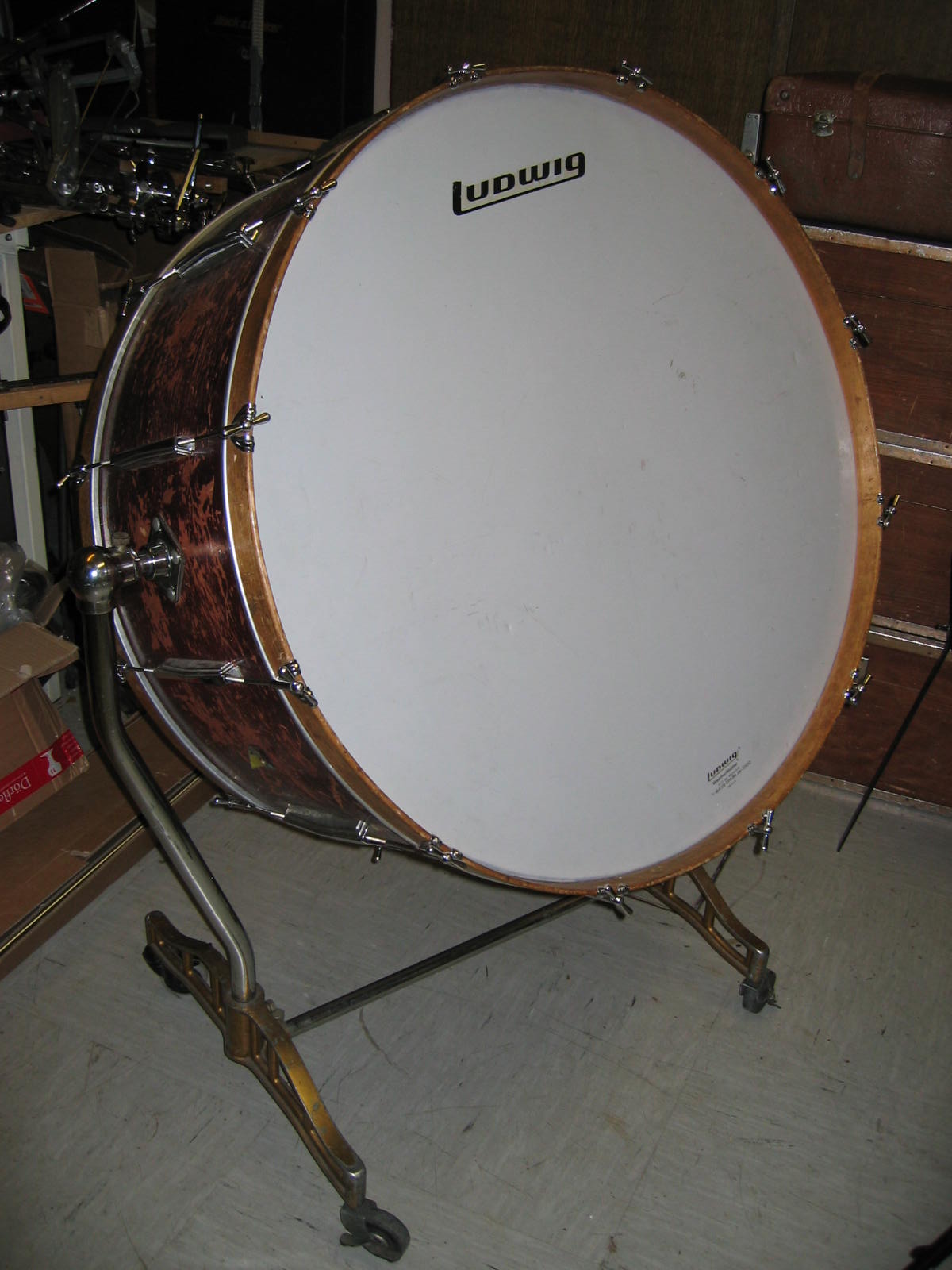
Pioneers like Baby Dodds experimented with multiple bass drums in jazz ensembles. Early adopters like Sandy Nelson and Ginger Baker of Cream began incorporating two bass drums into their kits, laying the groundwork for what was to come. The advent of the double pedal in the late 1970s and early 1980s, notably by companies like Tama and Pearl, democratized the technique, making it accessible without the need for a massive, unwieldy kit. This innovation was crucial for the explosion of double bass drumming in heavy metal and hard rock genres, where speed and aggression became paramount.
⚙️ How It Works
At its core, double bass drumming involves coordinating the movement of both feet to strike the bass drum(s). This is achieved either by using two separate bass drums, each with its own pedal, or more commonly, by employing a double pedal attached to a single bass drum. A double pedal features two beaters connected by a drive system (chain, belt, or direct drive) to a single footboard. The drummer alternates or synchronizes foot movements—heel-up, heel-down, or slide techniques—to create rapid-fire patterns, often playing sixteenth notes or faster subdivisions at blistering tempos. The mechanics of the pedal's drive system significantly impact the feel, responsiveness, and ultimate speed achievable by the drummer, with direct drive pedals often favored for their immediate feel and chain drives for their power.
📊 Key Facts & Numbers
The global market for drum hardware, including pedals, is estimated to be worth over $500 million annually, with double pedals representing a substantial segment of this. Some drummers have even incorporated up to four bass drums into their setups, creating a wall of percussive sound.
👥 Key People & Organizations
Key figures instrumental in popularizing double bass drumming include Gene Hoglan, whose work with Dark Angel and Death set new benchmarks. Mike Portnoy of Dream Theater is another titan, known for his intricate and melodic use of double bass. Early innovators like Baby Dodds paved the way. Manufacturers like Axis Pedals, DW Drums, and Sonor have been crucial in developing and refining double bass pedal technology, constantly pushing the envelope of speed, durability, and feel for drummers worldwide.
🌍 Cultural Impact & Influence
Double bass drumming has profoundly reshaped the sonic identity of genres like heavy metal, industrial music, and drum and bass. It provides the relentless, driving pulse that underpins aggressive musical statements, often mimicking the intensity of a machine gun or a galloping horse. Beyond metal, its influence can be heard in electronic music, where synthesized kick drum patterns often emulate the rapid-fire delivery. The visual spectacle of a drummer commanding two bass drums or a complex double pedal setup also adds a significant performance element, captivating audiences and inspiring countless aspiring drummers to master the technique. The technique has also influenced video game soundtracks and film scores, adding dramatic percussive weight.
⚡ Current State & Latest Developments
In 2024, double bass drumming continues to be a dominant force in extreme metal subgenres, with drummers constantly exploring new rhythmic possibilities and pedal technologies. The rise of online drumming platforms like Drumeo and YouTube has facilitated unprecedented access to instructional content, allowing drummers globally to learn and refine double bass techniques. Innovations in pedal design, such as lighter materials and improved bearing systems, continue to emerge from companies like Trick Drums and Axis Pedals, enabling even faster and more fluid playing. Furthermore, the integration of electronic drum pads with acoustic kits allows for hybrid setups, expanding the sonic palette available to double bass drummers.
🤔 Controversies & Debates
A significant debate within the drumming community revolves around the 'true' purpose and overuse of double bass drumming. Critics argue that in some contexts, particularly in less technically demanding music, it can become a gratuitous display of speed rather than a musically integral element, leading to a perceived homogenization of rhythmic ideas. Conversely, proponents emphasize that double bass is a versatile tool capable of nuanced musical expression, not just brute force, and that its technical demands are a valid artistic pursuit. The debate also touches on the physical toll of the technique, with discussions about proper form and injury prevention being common among professional drummers.
🔮 Future Outlook & Predictions
The future of double bass drumming likely involves further integration with electronic percussion and digital audio workstations. We may see more sophisticated hybrid kits that seamlessly blend acoustic and electronic sounds, allowing drummers to trigger complex sequences or even entire orchestral percussion arrangements with their feet. Expect continued advancements in pedal ergonomics and materials, potentially leading to even higher levels of speed and control. Furthermore, as AI-driven music composition tools evolve, they might begin to incorporate or even generate complex double bass patterns, challenging human drummers to innovate further or collaborate with these new technologies. The exploration of polyrhythmic footwork and unconventional rhythmic structures will undoubtedly continue to push the boundaries of what's possible.
💡 Practical Applications
Double bass drumming finds its most prominent application in creating the high-octane rhythmic foundation for genres like thrash metal, death metal, black metal, and power metal. It's used to generate relentless blast beats, fast double-kick patterns, and intricate fills that define the aggressive sound of these styles. Beyond metal, it's employed in industrial music for its driving, mechanical feel, and in drum and bass and other electronic genres to replicate or enhance rapid kick drum sequences. Live performances often feature drummers utilizing double bass for dramatic effect during solos or intense song sections, adding a visceral, physical dimension to the music that resonates powerfully with audiences.
Key Facts
- Category
- technology
- Type
- concept