
Contents
Overview
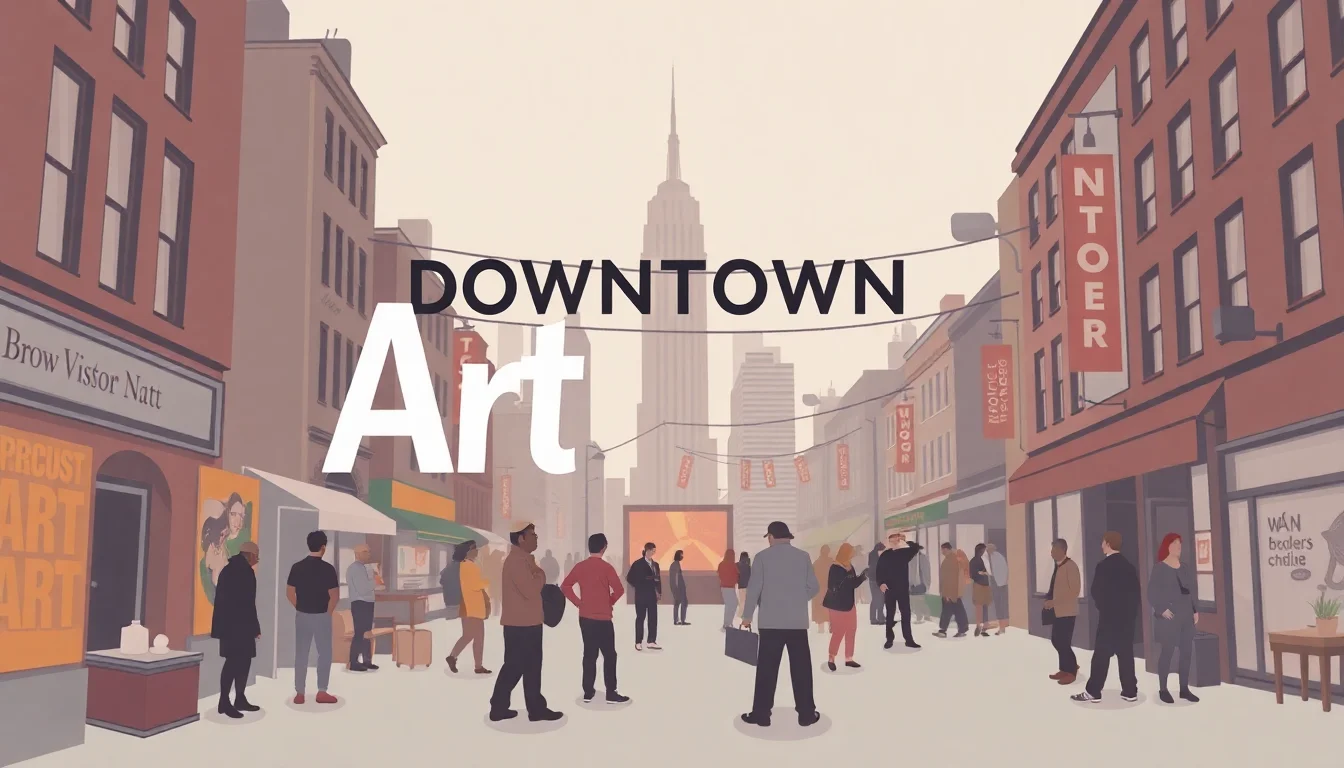
The genesis of the Downtown Art Scene can be traced back to the post-World War II era, gaining significant momentum in the 1950s and 60s. Lower Manhattan, particularly neighborhoods like Greenwich Village and later SoHo, became magnets for artists seeking affordable studio space and a less commercialized environment than Midtown's established galleries. This period saw the emergence of influential collectives and performance spaces like Judson Dance Theater and The Kitchen, which provided crucial platforms for experimental work. Precursors like the Beat Generation poets and the abstract expressionists of the New York School laid the groundwork for the interdisciplinary and boundary-pushing spirit that defined the Downtown scene. The scene was not a singular, monolithic entity but rather a constellation of overlapping communities and individual artists forging new paths.
⚙️ How It Works
The operational engine of the Downtown Art Scene was its radical embrace of interdisciplinary collaboration and accessible technology. Artists moved fluidly between mediums, with painters influencing dancers, musicians scoring performances, and writers engaging with visual art. The use of photocopying was a critical innovation, allowing artists to quickly reproduce and distribute zines, manifestos, and visual works, bypassing traditional publishing and gallery systems. This decentralized model fostered a sense of community and rapid idea exchange. Performance art, often staged in unconventional spaces like lofts and streets, became a hallmark, emphasizing process and ephemeral experiences over commodifiable objects. The scene thrived on a DIY ethic, with artists often self-producing and self-promoting their work.
📊 Key Facts & Numbers
While precise quantitative data for the entire Downtown Art Scene is elusive, its impact is undeniable. By the late 1970s, SoHo alone housed an estimated over 200 galleries, many showcasing artists who emerged from the Downtown milieu. Performance art events at venues like The Kitchen could draw audiences of several hundred people on a given night. The proliferation of artist-run publications and zines, often produced in editions of 50-200 copies, circulated widely within the community. The economic impact was also significant, with the influx of artists contributing to the revitalization and eventual gentrification of neighborhoods like SoHo and later the Lower East Side, transforming them into cultural and commercial hubs.
👥 Key People & Organizations
The Downtown Art Scene was populated by a constellation of visionary individuals and pioneering organizations. Jasper Johns and Robert Rauschenberg were pivotal figures in visual art, challenging abstract expressionism. Trisha Brown, Yvonne Rainer, and Merce Cunningham revolutionized dance with their experimental choreography and rejection of traditional theatricality. In music, Philip Glass and Steve Reich pioneered minimalist music, influencing generations of composers. Andy Warhol's The Factory served as a legendary hub for artists, musicians, and filmmakers. Organizations like Judson Dance Theater and The Kitchen provided essential infrastructure and exhibition space for emerging talent. Alvin Baltrop documented the scene's raw energy through his photography.
🌍 Cultural Impact & Influence
The influence of the Downtown Art Scene reverberates through contemporary culture. Its emphasis on interdisciplinary practice is now a standard in art schools and creative industries. The DIY ethos and use of accessible media paved the way for zine culture and the digital art movements of the internet age. Performance art, once a fringe activity, is now a recognized and respected artistic discipline, with major institutions like MoMA and Tate Modern dedicating significant exhibition space to it. The revitalization of neighborhoods through artistic communities, a pattern established by Downtown, has been replicated in cities worldwide, though often accompanied by debates about gentrification and displacement. The scene's legacy is evident in the continued exploration of urban spaces as artistic canvases.
⚡ Current State & Latest Developments
While the original Downtown Art Scene as a cohesive movement largely dissolved by the late 1980s, its spirit persists. Contemporary art hubs in cities like Berlin, Tokyo, and Mexico City often exhibit similar characteristics of interdisciplinary experimentation and artist-run initiatives. Galleries and performance spaces in New York City continue to draw inspiration from the Downtown legacy, albeit within a vastly different economic and technological landscape. The rise of online platforms and social media has democratized art dissemination to an extent that surpasses even the photocopying era, creating new forms of 'downtown' scenes that are global and virtual. The ongoing dialogue around urban development and artistic displacement in areas like the Lower East Side reflects the enduring impact of the original scene's spatial dynamics.
🤔 Controversies & Debates
The Downtown Art Scene was not without its controversies. A significant debate centered on the role of artists in the gentrification of neighborhoods like SoHo and the Lower East Side. While artists initially sought affordable spaces, their presence often led to rising rents and the displacement of long-term residents and smaller businesses. Critics argued that the scene, particularly in its later stages, became increasingly commercialized, with artists prioritizing gallery representation and market success over radical experimentation. The boundaries between 'art' and 'life,' a central tenet for many Downtown artists, were also frequently contested, leading to questions about the accessibility and relevance of avant-garde practices to a broader public. The Downtown Art Scene's predominantly white and male-dominated leadership also faced criticism, though figures like Jackie Curtis and Marsha P. Johnson represented vital contributions from marginalized communities.
🔮 Future Outlook & Predictions
The future outlook for 'downtown art scenes' globally is complex. As urban centers become increasingly expensive, the conditions that fostered the original Downtown Art Scene—affordable space and a critical mass of artists—are becoming rarer. However, the digital realm offers new avenues for artistic creation and dissemination, potentially creating virtual 'downtowns' unbound by geography. We may see a continued shift towards artist-led cooperatives and decentralized networks, leveraging technologies like blockchain for ownership and distribution. The tension between artistic experimentation and market viability will likely persist, with ongoing debates about how to support avant-garde practices without succumbing to commercial pressures. The legacy of the Downtown scene serves as a perpetual reminder of the vital role artists play in shaping urban identity and cultural discourse.
💡 Practical Applications
The principles and practices of the Downtown Art Scene have found numerous practical applications. The DIY publishing methods pioneered through photocopying and zine production directly influenced the development of independent media and the underground comix movement. The interdisciplinary approach is now standard practice in fields ranging from film production and video game development to advertising campaigns and theatrical productions. Artist-run spaces, a direct legacy, continue to serve as crucial incubators for emerging talent in cities worldwide, providing affordable exhibition and performance opportunities. The documentation of ephemeral performances through photography and video, exemplified by artists like Alvin Baltrop, has become a vital archiv
Key Facts
- Category
- culture
- Type
- topic