
Contents
Overview
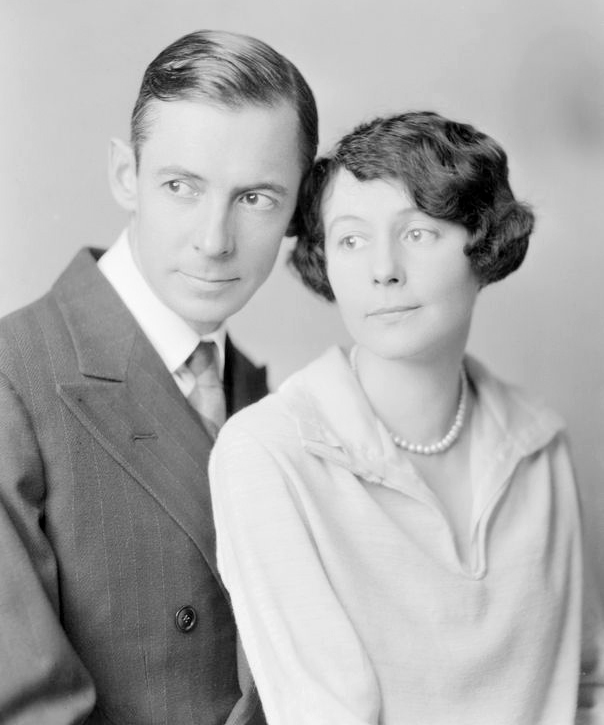
Edwin DuBose Heyward (August 31, 1885 – June 16, 1940) was an American novelist, playwright, and poet. Born and raised in Charleston, South Carolina, Heyward's work deeply explored the lives and culture of the city's African American community, particularly the inhabitants of the notorious "Catfish Row." He collaborated with his wife, playwright Dorothy Heyward, to adapt Porgy into a successful stage play. This theatrical production, in turn, became the basis for George Gershwin's groundbreaking opera, Porgy and Bess, a work that cemented Heyward's legacy in American arts. Despite facing health challenges for much of his life, Heyward produced a significant body of work, including other novels, plays, and poetry, and a beloved children's book, The Country Bunny and the Little Gold Shoes. His literary contributions offered a nuanced, albeit sometimes debated, portrayal of Southern Black life, significantly impacting American literature and music.
🎵 Origins & History
Edwin DuBose Heyward was born in Charleston, South Carolina, into a prominent, albeit financially strained, old Southern family. His father, Edwin Watkins Heyward, instilled in him a deep connection to the region's history and landscape. Heyward's early life was marked by bouts of severe illness, including poliomyelitis at age 15, which left him with a permanent limp and significantly impacted his physical capabilities. Despite these challenges, he developed a keen observational eye and a profound empathy for the diverse communities of Charleston. He attended the Porter Military Academy and later briefly studied at Washington and Lee University, but his formal education was curtailed by health and financial concerns. He eventually found his calling in writing, channeling his experiences and observations into his literary works, beginning with poetry before turning to the novel form that would define his career.
⚙️ Literary Craft & Themes
Heyward's literary craft was characterized by a commitment to realism and a deep immersion in the vernacular and cultural expressions of his subjects. His work, Porgy, was meticulously researched, with Heyward spending considerable time living among and observing the African American residents of Charleston's "Catfish Row." He aimed to capture the "soul of the Negro" through authentic dialogue and vivid descriptions of their daily lives, struggles, and joys. His prose often blended lyrical passages with the raw, unvarnished language of his characters, creating a powerful and often poignant narrative voice. This dedication to authenticity extended to his other works, including plays like Brass Ankle and novels such as Peter Ashley, though none achieved the monumental success of Porgy.
📊 Key Facts & Numbers
The novel Porgy was adapted into a successful stage play, which opened on Broadway and was revived multiple times. The opera Porgy and Bess, with music by George Gershwin and lyrics by Ira Gershwin and Heyward, has since been performed thousands of times worldwide. The 1959 film adaptation of Porgy and Bess was a major Hollywood production, though it faced criticism and was a box office disappointment. Heyward's children's book, The Country Bunny and the Little Gold Shoes, remains a holiday classic.
👥 Key People & Collaborators
DuBose Heyward's most significant collaborators were his wife, Dorothy Heyward, a playwright in her own right, who co-authored the stage adaptation of Porgy and continued to be a vital creative partner. The composer George Gershwin was instrumental in transforming the play into the iconic opera Porgy and Bess, a monumental undertaking that involved extensive collaboration and negotiation. Gershwin's musical genius fused Heyward's libretto and characters with a revolutionary blend of jazz, folk, and classical idioms. Heyward also maintained professional relationships with figures in the literary and theatrical world, though his primary creative partnerships revolved around the Porgy project. His father, Edwin Watkins Heyward, provided a grounding in Charleston's history, while his mother, Angela Richardson Heyward, was a descendant of Thomas Heyward Jr., a signer of the Declaration of Independence.
🌍 Cultural Impact & Influence
The cultural impact of Porgy and its subsequent adaptations is immeasurable. Porgy and Bess is widely considered one of the most important American operas, a cornerstone of the repertoire that introduced operatic forms to new audiences and showcased a distinctly American musical language. The novel itself provided a powerful, albeit romanticized, window into the lives of marginalized communities, influencing subsequent literature that explored Southern Black culture. The characters of Porgy, Bess, and Crown have become archetypes in American storytelling. The work's enduring presence in opera houses, concert halls, and film has ensured its continued relevance, sparking ongoing discussions about representation, authenticity, and artistic collaboration in the American arts landscape. The success of The Country Bunny and the Little Gold Shoes also cemented Heyward's place in children's literature.
⚡ Current State & Legacy
DuBose Heyward's work continues to be studied and performed, with Porgy and Bess remaining a staple of opera companies globally. Revivals of the play and new interpretations of the novel are periodically staged, keeping his literary contributions alive. While Heyward passed away, his legacy is inextricably linked to the enduring power of Porgy and Bess. The opera's continued popularity ensures that his name remains associated with one of the most significant cultural achievements of the 20th century. Discussions surrounding the opera's themes and its creation by white artists portraying Black life are ongoing, reflecting evolving perspectives on cultural appropriation and artistic representation in the 21st century.
🤔 Controversies & Debates
The primary controversy surrounding DuBose Heyward's work, particularly Porgy, centers on the portrayal of African American life by a white author. Critics have debated whether Heyward's depiction, while aiming for authenticity, ultimately reinforced stereotypes or presented a romanticized view of poverty and hardship in Catfish Row. The collaboration on Porgy and Bess also raises questions about artistic ownership and representation, given that Gershwin, a white composer, created the opera based on Heyward's story. While Heyward and Gershwin sought to create a work of genuine artistic merit, the context of racial segregation and limited opportunities for Black artists at the time adds layers of complexity to these discussions. Some scholars argue that the opera, despite its creators' intentions, inadvertently contributed to a limited and often tragic view of Black American experience for mainstream audiences.
🔮 Future Outlook & Predictions
The future of DuBose Heyward's legacy likely hinges on continued re-evaluation and re-contextualization of his work, particularly Porgy and Bess. As societal understanding of race, representation, and cultural appropriation evolves, so too will the critical reception and performance practices surrounding his most famous creations. Future productions may seek to further emphasize the collaborative spirit or explore alternative casting and directorial approaches to address historical critiques. There is also potential for renewed interest in Heyward's lesser-known novels and poetry, offering a more complete picture of his literary output beyond the shadow of Porgy. The enduring appeal of his storytelling suggests that his works will continue to provoke thought and inspire artistic endeavors, albeit within an increasingly critical framework.
💡 Practical Applications
The most significant practical application of DuBose Heyward's work is its direct translation into other art forms. The novel Porgy served as the direct source material for the stage play Porgy, which in turn was the libretto for the opera Porgy and Bess. This chain of adaptation demonstrates a powerful model for how literary works can be reimagined across different media, influencing music, theater, and film. The success of The Country Bunny and the Little Gold Shoes also highlights its application as a beloved children's story, used in educational settings and family traditions. Furthermore, Heyward's detailed depictions of Charleston life have provided valuable historical and cultural insights for scholars and enthusiasts of Southern history and African American culture.
Key Facts
- Category
- culture
- Type
- topic