
Contents
- 🎵 Origins & History
- ⚙️ How It Works
- 📊 Key Facts & Numbers
- 👥 Key People & Organizations
- 🌍 Cultural Impact & Influence
- ⚡ Current State & Latest Developments
- 🤔 Controversies & Debates
- 🔮 Future Outlook & Predictions
- 💡 Practical Applications
- 📚 Related Topics & Deeper Reading
- Frequently Asked Questions
- References
- Related Topics
Overview
Daylight Saving Time (DST) is not just a biannual clock adjustment; it has significant economic implications that ripple through various sectors. Studies suggest that DST can lead to increased consumer spending, particularly in retail and leisure industries, as longer daylight hours encourage outdoor activities. However, the economic benefits are counterbalanced by costs related to health issues, accidents, and productivity losses due to disrupted sleep patterns. As countries reconsider the relevance of DST, understanding its economic effects becomes crucial for policymakers and businesses alike. The debate continues over whether the economic benefits outweigh the drawbacks, particularly in regions where the practice is being phased out.
🎵 Origins & History
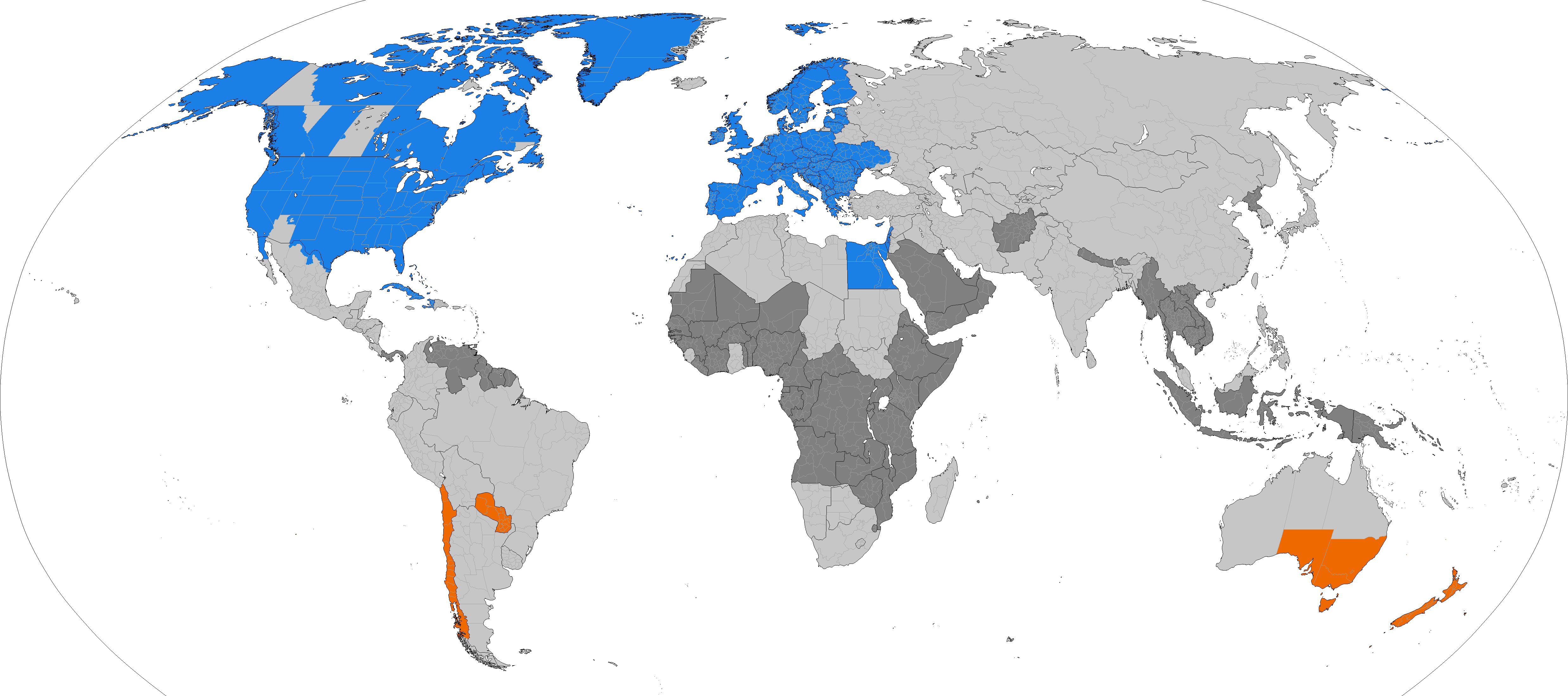
The concept of Daylight Saving Time (DST) emerged in the early 20th century. Germany was the first country to adopt DST on April 30, 1916, as a wartime measure to conserve fuel. Over the years, various studies have been conducted to evaluate the economic implications of DST, with mixed results. Countries like Russia and Japan have abandoned the practice altogether, citing minimal benefits. The ongoing debate about its effectiveness continues to shape policies worldwide.
⚙️ How It Works
Daylight Saving Time functions by advancing clocks forward by one hour in the spring and reverting them back in the fall. This shift aims to maximize daylight during the evening hours, theoretically boosting economic activity. For example, the retail sector benefits as consumers are more likely to shop after work when it is still light outside. However, the transition can disrupt sleep patterns, leading to decreased productivity and increased health risks. The mechanics of DST involve not just the clock changes but also adjustments in public transport schedules, energy consumption patterns, and even agricultural practices, as farmers must adjust to the altered daylight hours.
📊 Key Facts & Numbers
Several key figures have influenced the discourse on DST, including Benjamin Franklin, who proposed the idea, and George Hudson, a New Zealand entomologist who advocated for the practice in 1895. In modern times, organizations like the National Bureau of Economic Research have conducted extensive studies on DST's economic effects. Additionally, policymakers such as U.S. Senator Marco Rubio have pushed for legislation to abolish DST, citing its negative health impacts. These individuals and organizations play a crucial role in shaping the ongoing conversation about the future of DST.
👥 Key People & Organizations
Culturally, DST has been a topic of discussion in various media, from television shows to political debates. The practice affects not only economic behaviors but also social activities, as longer evenings encourage outdoor events and gatherings. For instance, cities like Los Angeles and New York see a spike in tourism and local spending during DST. However, the cultural significance of DST is waning, with increasing calls for its abolition in favor of a more consistent timekeeping system. This shift reflects changing societal values regarding work-life balance and health.
🌍 Cultural Impact & Influence
The European Union has been considering a proposal to end seasonal clock changes, reflecting a growing consensus that the economic benefits may not justify the health risks. These developments signal a potential shift in how societies view time management and its economic implications.
⚡ Current State & Latest Developments
Controversies surrounding DST include debates over its effectiveness and health impacts. Critics argue that the disruption to sleep patterns can lead to increased health risks, including heart attacks and workplace accidents. Proponents maintain that the economic benefits, such as increased consumer spending and reduced energy costs, outweigh these concerns. The tension between these viewpoints continues to fuel discussions at both local and national levels, with some advocating for a complete abolition of the practice.
🤔 Controversies & Debates
Looking ahead, experts predict that the future of DST may involve a move toward permanent standard time or a reevaluation of its economic benefits. Some studies suggest that maintaining a consistent time year-round could lead to improved health outcomes and productivity. As more regions consider these changes, the implications for businesses and consumers will be significant. The ongoing research into the economic effects of DST will likely shape future policies and practices.
🔮 Future Outlook & Predictions
DST has practical applications across various sectors, including retail, agriculture, and energy. Retailers often see increased sales during DST as consumers take advantage of longer daylight hours to shop. In agriculture, farmers must adjust planting and harvesting schedules to align with the time changes. Energy companies also analyze consumption patterns to optimize resource allocation during DST. These applications highlight the multifaceted impact of DST on economic activities.
💡 Practical Applications
Related topics to explore include the history of timekeeping, the economics of energy consumption, and the psychological effects of time changes. Understanding these connections can provide deeper insights into the broader implications of DST and its relevance in today's society. For further reading, consider exploring studies on the economic impact of time changes or the cultural significance of daylight hours.
Key Facts
- Year
- 2024
- Origin
- Global
- Category
- economics
- Type
- concept
Frequently Asked Questions
What are the economic benefits of Daylight Saving Time?
Daylight Saving Time (DST) is associated with increased consumer spending, particularly in retail and leisure sectors. Additionally, energy savings are estimated at $2.7 billion annually in the U.S. due to reduced electricity usage. However, these benefits must be weighed against health risks and productivity losses due to sleep disruption.
How does DST affect productivity?
DST can negatively impact productivity due to sleep disruption, leading to increased workplace accidents and health issues. Conversely, longer daylight hours can boost morale and encourage outdoor activities, potentially enhancing productivity in certain sectors.
What are the health risks associated with DST?
Health risks linked to DST include increased rates of heart attacks, workplace accidents, and mental health issues due to disrupted sleep patterns. These concerns have led some regions to reconsider the practice of DST altogether.
What countries have abolished DST?
Countries like Russia and Japan have reportedly abolished DST, citing minimal benefits.