
Contents
Overview
The quest to preserve fertility predates modern cryopreservation, with early attempts at sperm freezing dating back to the 1950s. However, the delicate nature of the human egg presented a far greater challenge. The breakthrough in oocyte cryopreservation arrived in 1986 with the birth of a baby girl in Australia, conceived from a frozen egg. This landmark event, achieved by researchers at the University of Melbourne, utilized a slow-freezing technique. Subsequent advancements, particularly the development of vitrification in the late 1990s and early 2000s, dramatically improved survival rates and reduced the risk of ice crystal damage, making egg freezing a more viable and widely adopted procedure. Companies like Fertility Solutions International and EML Group Limited were early players in developing and commercializing these techniques.
⚙️ How It Works
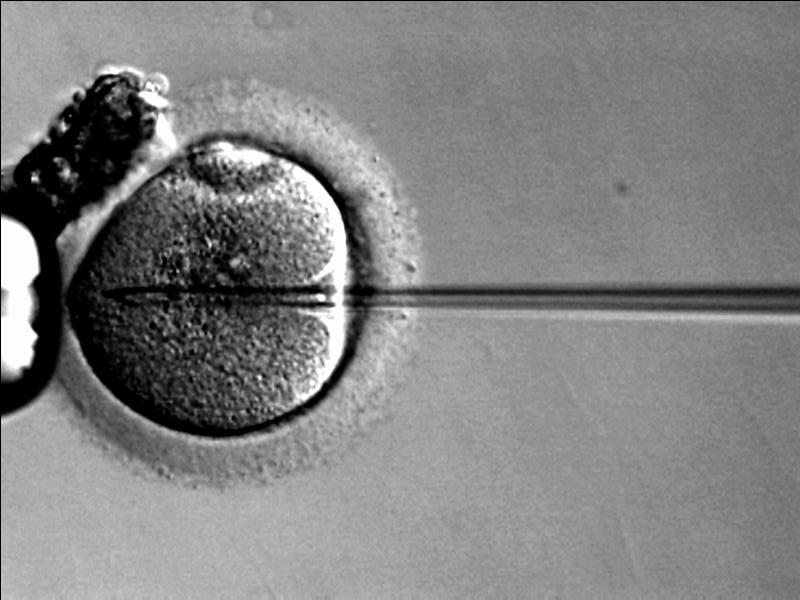
The process of egg freezing involves several distinct stages, beginning with ovarian stimulation. For approximately two weeks, a patient receives injectable hormone medications, typically gonadotropins, to encourage the ovaries to develop multiple mature follicles, each containing an egg. Close monitoring via ultrasound and blood tests tracks follicle growth. Once the follicles reach optimal size, a final injection of human chorionic gonadotropin (hCG) or a GnRH agonist triggers final egg maturation. About 36 hours later, a minor surgical procedure, transvaginal ultrasound aspiration, is performed under sedation to retrieve the eggs. The retrieved oocytes are then immediately plunged into a cryoprotective solution and rapidly cooled using vitrification, a process that solidifies the eggs into a glass-like state without ice crystal formation, preserving them for long-term storage in liquid nitrogen at -196°C (-320°F).
📊 Key Facts & Numbers
Globally, the egg freezing market is experiencing significant growth, projected to reach approximately $10.1 billion by 2027, up from an estimated $2.7 billion in 2020, according to reports from Grand View Research. The average cost for a single cycle of egg freezing can range from $10,000 to $15,000, excluding annual storage fees which typically run between $300 and $600. Success rates for live births from frozen eggs vary, but studies suggest that for women freezing eggs at age 30, around 70% might achieve a live birth from 10 frozen eggs. However, for women freezing at age 40, the success rate drops significantly, with estimates suggesting over 40 eggs might be needed. As of 2023, over 100,000 women in the United States alone have undergone the procedure, with a notable increase in women over 35.
👥 Key People & Organizations
Pioneering figures in reproductive endocrinology have been instrumental in advancing egg freezing. Dr. John W. Lerner is recognized for his early work in fertility preservation. Shady Grove Fertility and Weill Cornell Medicine are leading institutions that have significantly contributed to research and clinical application, with physicians like Dr. Kara Goldman at Northwestern University publishing key studies on success rates. Tech companies like Kindbody and Caralyst Health are also emerging as significant players, offering more accessible and integrated fertility solutions, including egg freezing services. The American Society for Reproductive Medicine (ASRM) provides guidelines and recommendations for the practice.
🌍 Cultural Impact & Influence
Egg freezing has profoundly reshaped societal conversations around fertility, career, and life planning, particularly for women. It has been embraced by some corporations, such as Apple and Facebook (now Meta), as a benefit to attract and retain female talent, implicitly endorsing the idea of delaying motherhood. This has fueled a cultural narrative that technology can 'buy time' for reproductive choices, influencing career trajectories and personal timelines. However, it has also sparked debate about whether this technological solution places undue pressure on women to prioritize careers over family planning, or if it's a genuine empowerment tool. The procedure's increasing visibility in media and popular culture, from documentaries to personal testimonials, has normalized the concept, though often without fully addressing the statistical realities of success rates.
⚡ Current State & Latest Developments
The landscape of egg freezing is rapidly evolving, driven by both technological innovation and shifting societal expectations. In 2024, clinics are seeing a continued rise in demand, particularly among women in their early to mid-30s. Research is ongoing to improve the efficiency of ovarian stimulation protocols, reduce the number of eggs needed for a successful pregnancy, and explore novel cryopreservation techniques. Companies like Moderna are exploring mRNA technology for potential applications in reproductive health, though direct links to egg freezing are still speculative. Furthermore, there's a growing focus on making the procedure more affordable and accessible, with some employers expanding coverage and new startups aiming to disrupt the traditional clinic model. The ethical implications of widespread egg freezing are also under continuous review by bodies like the President's Council on Bioethics.
🤔 Controversies & Debates
The practice of egg freezing is not without its controversies. A primary debate centers on the effectiveness and cost-benefit analysis, particularly for women freezing eggs at older ages. Critics argue that the marketing of egg freezing can create a false sense of security, leading women to believe they have unlimited time to conceive, when in reality, success rates decline sharply after age 35. The high cost of the procedure and subsequent IVF treatments also raises concerns about equity and accessibility, potentially creating a divide between those who can afford to preserve their fertility and those who cannot. Ethical questions also arise regarding the potential for 'designer babies' if combined with advanced genetic screening technologies, and the long-term implications of a generation delaying childbirth significantly. The National Institutes of Health (NIH) has funded studies to better understand these long-term outcomes.
🔮 Future Outlook & Predictions
The future of egg freezing is likely to involve greater efficiency, reduced costs, and potentially expanded applications. Researchers are exploring ways to shorten the stimulation phase, reduce medication dosages, and improve egg yield. Advances in artificial intelligence may play a role in personalizing stimulation protocols and predicting success rates more accurately. There's also speculation about the development of artificial ovaries or improved methods for ovarian tissue cryopreservation, which could offer alternatives for younger individuals undergoing cancer treatment. As societal norms continue to shift, egg freezing may become an even more integrated part of reproductive planning, potentially leading to new demographic trends in family formation. The ongoing debate about whether it should be considered a standard medical procedure versus an elective cosmetic one will continue to shape its future.
💡 Practical Applications
Egg freezing's primary practical application is as a fertility preservation strategy. It's crucial for individuals facing medical treatments that can impair fertility, such as chemotherapy or radiation therapy, or those undergoing surgeries that may affect ovarian function. Beyond medical necessity, it serves individuals who wish to delay childbearing for personal or professional reasons, allowing them to pursue higher education, establish careers, or find a suitable partner without the biological clock dictating their timeline. Fertility clinics worldwide, including IVF Australia and London Women's Clinic, offer these services. The procedure is also sometimes used in conjunction with preimplantation genetic diagnosis (PGD) to screen embryos for gen
Key Facts
- Category
- technology
- Type
- topic