
Contents
- 🌍 Overview: The Unseen Cost of Resources
- 📍 Global Hotspots: Where the Scars Run Deep
- 💧 Water Woes: Contamination and Scarcity
- 💨 Air Apparent: Emissions and Climate Impact
- 🌳 Biodiversity Blitz: Habitat Loss and Degradation
- ⛏️ Tailings Troubles: The Peril of Waste Piles
- ⚖️ Regulatory Riddles: Policy and Enforcement Gaps
- 💡 Innovations & Alternatives: Towards a Lighter Footprint
- Frequently Asked Questions
- Related Topics
Overview
Mining, the bedrock of industrial civilization, leaves an indelible mark on the planet. This isn't just about digging holes; it's about the colossal water usage, the toxic runoff that can poison entire ecosystems for centuries, and the sheer volume of waste generated. Consider the Mount Polley tailings dam collapse in British Columbia (2014), which released 8.9 million cubic meters of mining waste into local waterways. The extraction of metals like copper, gold, and rare earth elements, crucial for our electronics and green energy transition, often comes at the expense of biodiversity, soil health, and local communities. Understanding these impacts is vital for navigating the complex trade-offs between resource demand and planetary health.
🌍 Overview: The Unseen Cost of Resources
Mining, the bedrock of modern civilization, extracts the raw materials that fuel our technologies and economies. From the copper in your phone to the lithium in electric car batteries, these resources are indispensable. However, the process leaves indelible marks on the planet. This guide unpacks the environmental toll, from localized devastation to global atmospheric shifts, offering a clear-eyed view of the true cost of extraction. Understanding these impacts is crucial for anyone concerned with sustainable development and the future of our planet.
📍 Global Hotspots: Where the Scars Run Deep
The environmental scars of mining are not evenly distributed. Nations rich in mineral wealth often bear the brunt of these impacts. Consider the Amazon rainforest, where illegal gold mining has led to widespread deforestation and mercury contamination, or the vast open-pit mines in Australia that reshape entire landscapes. Regions like the Andes Mountains face challenges with water scarcity exacerbated by mining operations, while countries like China grapple with the legacy of coal mining's air and water pollution. These hotspots represent critical areas where the tension between resource demand and environmental preservation is most acute.
💧 Water Woes: Contamination and Scarcity
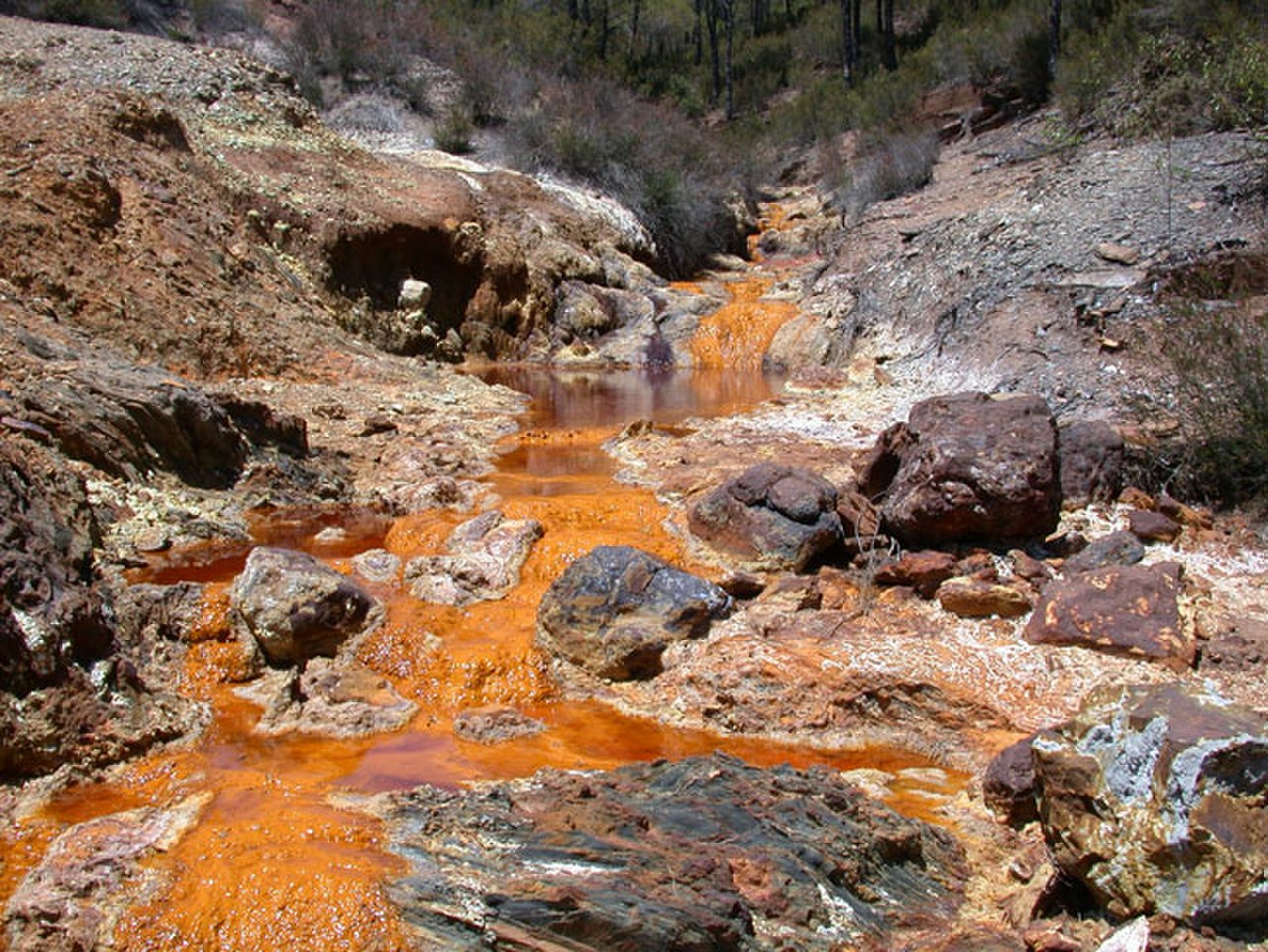
Water is a primary casualty of mining. Acid mine drainage, a toxic byproduct of exposing sulfide minerals to air and water, can contaminate rivers and groundwater for centuries, rendering them undrinkable and ecologically dead. The Cerro de Pasco mine in Peru, for instance, has long been a source of heavy metal pollution affecting local water sources. Beyond contamination, mining operations often consume vast quantities of water, leading to scarcity in already arid regions, impacting both ecosystems and human communities. The sheer volume of water used in processes like hydraulic mining is staggering.
💨 Air Apparent: Emissions and Climate Impact
The atmospheric impact of mining is a significant contributor to global climate change. Energy-intensive extraction and processing, particularly for materials like coal and iron ore, release substantial amounts of greenhouse gases, primarily carbon dioxide. Dust and particulate matter from mining sites also degrade air quality, posing direct health risks to nearby populations. The global carbon cycle is demonstrably affected by these industrial activities, underscoring the interconnectedness of resource extraction and planetary health.
🌳 Biodiversity Blitz: Habitat Loss and Degradation
Mining's footprint extends to the very fabric of life. The clearing of land for mines, access roads, and infrastructure leads to direct habitat destruction and fragmentation. This loss of biodiversity is particularly devastating in ecologically sensitive areas like the Kola Peninsula in Russia, where mining has decimated unique tundra ecosystems. Even indirect impacts, such as soil erosion and the introduction of invasive species, can irrevocably alter local flora and fauna, pushing species towards extinction and disrupting delicate ecological balances.
⛏️ Tailings Troubles: The Peril of Waste Piles
Tailings, the finely ground rock and waste material left over after valuable minerals have been extracted, represent a persistent environmental hazard. These vast impoundments, often stored in dams, are prone to catastrophic failures, releasing toxic sludge that can devastate downstream communities and ecosystems, as tragically demonstrated by the Brumadinho dam disaster in Brazil in 2019. The long-term management and security of tailings facilities remain a critical challenge for the mining industry, with potential for contamination lasting for generations.
⚖️ Regulatory Riddles: Policy and Enforcement Gaps
The environmental scars of mining are often exacerbated by weak regulatory frameworks and inconsistent enforcement. While international guidelines and national laws exist, their implementation can be patchy, particularly in regions with limited governance capacity or where corruption is prevalent. This creates a 'race to the bottom' scenario, where companies may prioritize profit over environmental protection, leaving local communities to bear the disproportionate burden of pollution and degradation. The effectiveness of Environmental Impact Assessments is frequently debated.
💡 Innovations & Alternatives: Towards a Lighter Footprint
The growing awareness of mining's environmental impact is spurring innovation. Companies are exploring more efficient extraction techniques, improved waste management systems, and the use of renewable energy to power operations. Furthermore, the push for a circular economy emphasizes recycling and reusing materials, thereby reducing the demand for virgin resources. Advances in biomining, which uses microorganisms to extract metals, offer a potentially less destructive alternative for certain types of deposits. The future of mining hinges on embracing these cleaner technologies and a fundamental shift towards resource stewardship.
Key Facts
- Year
- 2023
- Origin
- Vibepedia Knowledge Graph
- Category
- Environmental Science & Industry
- Type
- Topic
Frequently Asked Questions
What is the most significant environmental impact of mining?
The most significant impacts are multifaceted and depend on the type of mining and location. However, widespread issues include severe water contamination (acid mine drainage, heavy metals), habitat destruction leading to biodiversity loss, and substantial greenhouse gas emissions contributing to climate change. The long-term storage of toxic tailings also presents a persistent risk of catastrophic failure and contamination.
How does mining affect water resources?
Mining profoundly impacts water resources through contamination and depletion. Acid mine drainage releases toxic heavy metals and acidity into surface and groundwater. Large-scale operations consume vast amounts of water, leading to scarcity. Sedimentation from erosion can also clog waterways and harm aquatic life. The Aral Sea disaster, while primarily agricultural, illustrates the devastating potential of water mismanagement in resource-dependent regions.
Are there any 'green' mining practices?
While no mining is entirely without environmental impact, 'greener' practices are emerging. These include using renewable energy sources, implementing advanced water treatment and recycling systems, minimizing land disturbance through underground mining where feasible, and developing safer tailings management techniques. Biomining and in-situ recovery methods also show promise for reducing surface disruption and waste generation.
What is the role of government in mitigating mining's environmental impact?
Governments play a critical role through robust regulatory frameworks, stringent enforcement of environmental laws, and effective permitting processes. This includes requiring comprehensive Environmental Impact Assessments, setting clear standards for emissions and waste disposal, mandating reclamation plans, and ensuring adequate financial assurances for mine closure and remediation. International cooperation is also vital for addressing transboundary environmental issues.
How does mining contribute to climate change?
Mining contributes to climate change through direct emissions from heavy machinery and energy-intensive processing, often powered by fossil fuels. The extraction of fossil fuels themselves, like coal and oil, is a primary driver. Furthermore, land clearing for mines can release stored carbon from vegetation and soils, and the production of materials like cement and steel, heavily reliant on mined inputs, are significant industrial emitters.
What are tailings, and why are they dangerous?
Tailings are the waste material left over after the valuable minerals have been extracted from ore. They are typically stored in large impoundments, often behind dams. Tailings are dangerous because they can contain toxic chemicals and heavy metals. Dam failures, though infrequent, can be catastrophic, releasing vast quantities of toxic sludge that can devastate downstream environments and communities, as seen in the Mariana dam disaster.