
Contents
Overview
EV incentives are financial and non-financial benefits offered by governments and, occasionally, private entities to encourage the adoption of electric vehicles (EVs). These programs, which include tax credits, rebates, grants, and perks like HOV lane access or reduced tolls, aim to offset the higher upfront cost of EVs compared to internal combustion engine (ICE) vehicles and accelerate the transition to cleaner transportation. They are a critical policy tool for reducing greenhouse gas emissions, improving air quality, and fostering innovation in the automotive sector. While primarily focused on battery electric vehicles (BEVs), many incentives also extend to plug-in hybrid electric vehicles (PHEVs) and, in some regions, fuel cell electric vehicles (FCEVs). The structure and generosity of these incentives vary significantly by country, state, and even municipality, often tied to factors like vehicle battery size, electric range, and purchase price.
🎵 Origins & History
The concept of government intervention to steer consumer behavior towards perceived societal benefits, like cleaner air, isn't new. Countries like Norway, recognizing the potential of EVs early on, implemented a comprehensive suite of incentives, including tax exemptions and toll waivers, which propelled them to global leadership in EV adoption.
⚙️ How It Works
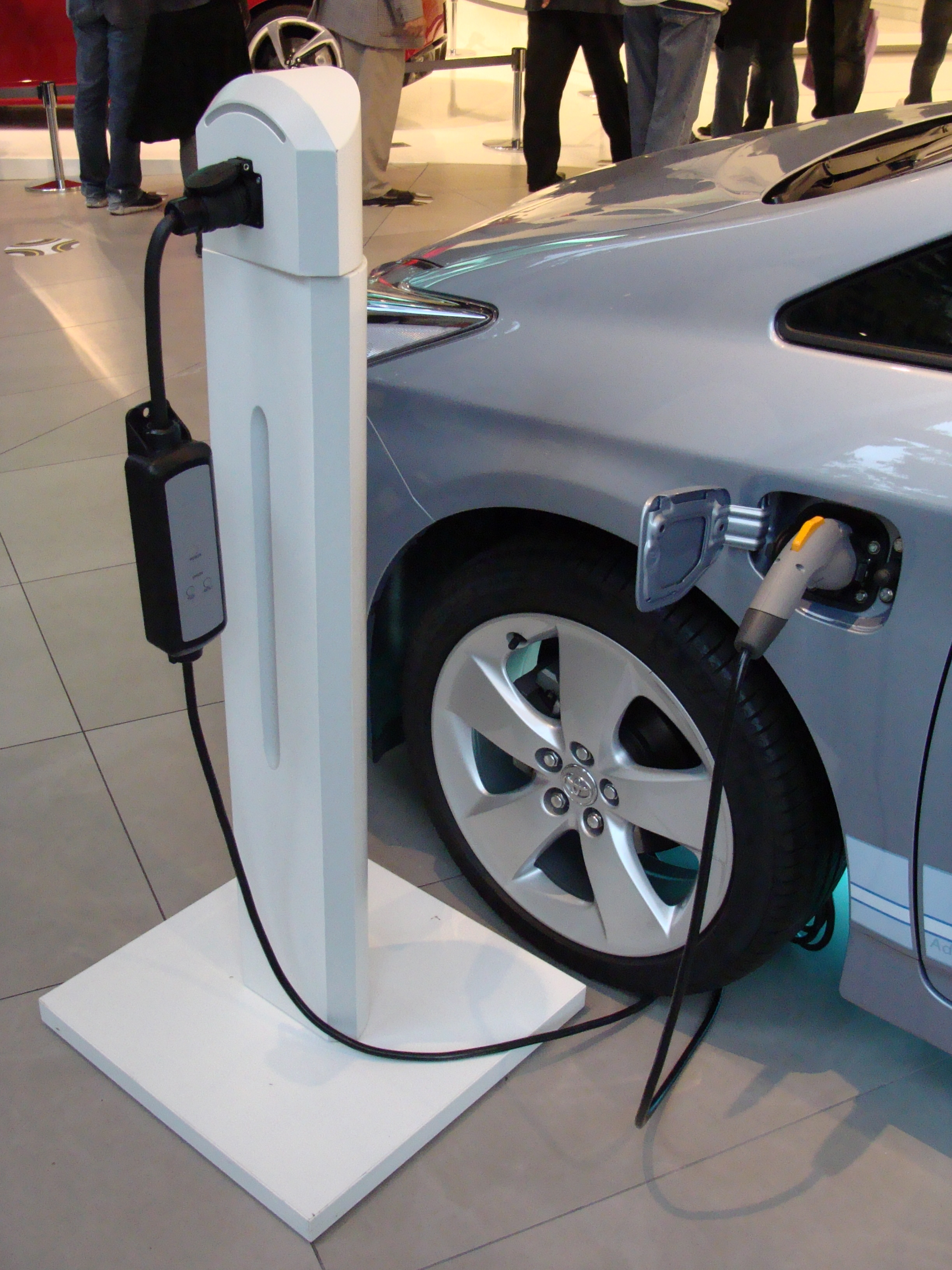
EV incentives function by reducing the effective cost of purchasing and owning an electric vehicle. Purchase incentives, such as federal tax credits in the U.S. (e.g., the Clean Vehicle Credit) or rebates in Canada and various European nations, directly lower the upfront price. These can be capped based on the vehicle's MSRP or battery capacity. Beyond the initial purchase, incentives often extend to ongoing costs: reduced registration fees, exemption from road taxes (like the UK's Vehicle Excise Duty), free or discounted parking, and access to high-occupancy vehicle (HOV) lanes, even for single-occupant vehicles, as seen in many U.S. states. Some programs also offer grants for home charging station installation, further reducing the barrier to entry. The goal is to create a compelling financial and practical argument for consumers to choose an EV over a traditional gasoline-powered car, thereby stimulating demand and supporting the growth of the EV market, as championed by companies like Tesla and General Motors.
📊 Key Facts & Numbers
Globally, EV incentives represent billions of dollars in investment. In the U.S., the federal tax credit can be up to $7,500 per new EV, though eligibility is complex, depending on vehicle assembly location, battery component sourcing, and MSRP caps, as detailed by the IRS. China, the world's largest EV market, has historically offered substantial subsidies, though these have been gradually phased out, shifting focus to regulatory measures like New Energy Vehicle (NEV) mandates. The total value of incentives can significantly alter the total cost of ownership, sometimes making an EV cheaper than a comparable ICE vehicle over its lifespan.
👥 Key People & Organizations
Key figures and organizations driving EV incentives include government bodies and automotive manufacturers. The U.S. Department of Energy and the EPA play roles in policy development and regulation. In Europe, the European Commission sets emissions standards that indirectly encourage national incentives. Automakers like Tesla, Volkswagen, and BYD are major beneficiaries and vocal proponents of these programs, as they directly impact sales volumes. Policy analysts and environmental groups, such as the International Council on Clean Transportation (ICCT), often advocate for stronger and more equitable incentive structures. The Rocky Mountain Institute (RMI) is another influential organization providing research and recommendations on EV policy.
🌍 Cultural Impact & Influence
EV incentives have profoundly reshaped the automotive landscape and influenced consumer perception. They have transformed EVs from niche curiosities into mainstream options, driving significant investment in battery technology and charging infrastructure by companies like ChargePoint and Electrify America. The cultural shift is palpable: owning an EV is increasingly associated with environmental consciousness, technological savviness, and a forward-thinking lifestyle. This has spurred a competitive race among legacy automakers and new entrants to capture market share. Furthermore, the success of EV incentives in countries like Norway has served as a powerful case study, influencing policy decisions in other nations and demonstrating the potential for rapid decarbonization of personal transportation. The visibility of EVs on roads, often facilitated by these perks, normalizes their presence and encourages further adoption.
⚡ Current State & Latest Developments
The landscape of EV incentives is dynamic and undergoing significant adjustments. Many countries are phasing out direct purchase subsidies as EV costs decrease and market share grows, shifting focus towards charging infrastructure development and used EV incentives. The Inflation Reduction Act of 2022 in the U.S. revamped federal tax credits, introducing stricter sourcing requirements for batteries and critical minerals, creating new complexities for consumers and manufacturers alike. China has largely transitioned from direct subsidies to regulatory tools like NEV mandates and emissions trading schemes. European nations are also recalibrating their offers, with some, like Germany, ending their national EV bonus program. The trend is towards more targeted incentives, focusing on lower-income buyers, specific vehicle types (like commercial vans), or charging infrastructure deployment.
🤔 Controversies & Debates
The efficacy and fairness of EV incentives are subjects of ongoing debate. Critics argue that current incentives disproportionately benefit wealthier individuals who can afford new EVs, regardless of the subsidy amount. For instance, the Tesla Model 3 and Ford Mustang Mach-E have frequently been among the top recipients of tax credits. There are also concerns about the environmental impact of battery production and disposal, questioning whether the overall lifecycle emissions are as low as often portrayed. The complexity of eligibility requirements, particularly in the U.S. with its manufacturing and sourcing rules, leads to confusion and frustration. Furthermore, the long-term fiscal sustainability of generous incentive programs is questioned, especially as EV adoption scales up, potentially leading to significant government expenditure. The debate also touches on whether incentives distort the market or accelerate a transition that would happen organically.
🔮 Future Outlook & Predictions
The future of EV incentives will likely see a continued shift away from broad purchase subsidies towards more nuanced policies. Expect increased focus on incentivizing the purchase of used EVs to improve accessibility for lower-income households. Investments in public and private charging infrastructure will remain paramount, potentially through tax credits for installation or direct grants. Regulatory measures, such as stricter emissions standards for new vehicles and potential bans on ICE vehicle sales (like the UK's planned 2035 ban), will play an increasingly significant role. Some jurisdictions may explore 'feebates' – taxing high-emission vehicles to fund incentives for low-emission ones. As battery costs continue to fall and EV production scales, the necessity for direct financial incentives may diminish, but targeted support for specific segments or infrastructure is likely to persist, driven by climate goals and energy security concerns.
💡 Practical Applications
EV incentives have direct practical applications for consumers looking to purchase an electric vehicle. Potential buyers can use online calculators provided by government agencies or automotive websites to estimate their eligibility for federal, state, and local tax credits and rebates, factoring in vehicle price and battery specifications. For example, a buyer in New York might research state-specific re
Key Facts
- Category
- technology
- Type
- topic