
Contents
Overview
The concept of fast casual dining didn't appear out of thin air; it's a descendant of earlier innovations in food service. Precursors can be traced to the rise of gourmet burger joints in the 1980s and the early adoption of fresh, customizable ingredients by chains like Subway in the 1970s. However, the true genesis of the modern fast casual model is often attributed to the late 1990s, with Chipotle Mexican Grill and Panera Bread (then known as Saint Louis Bread Company) emerging as pioneers. These brands distinguished themselves by offering made-to-order meals with higher-quality ingredients than typical fast food, served in a more upscale, yet still counter-service, environment. The early 2000s saw rapid expansion, with concepts like Five Guys and Chipotle's aggressive growth strategy solidifying the sector's viability and appeal. This period marked a deliberate move away from the frozen, processed offerings of traditional fast food towards a more transparent and ingredient-focused approach.
⚙️ How It Works
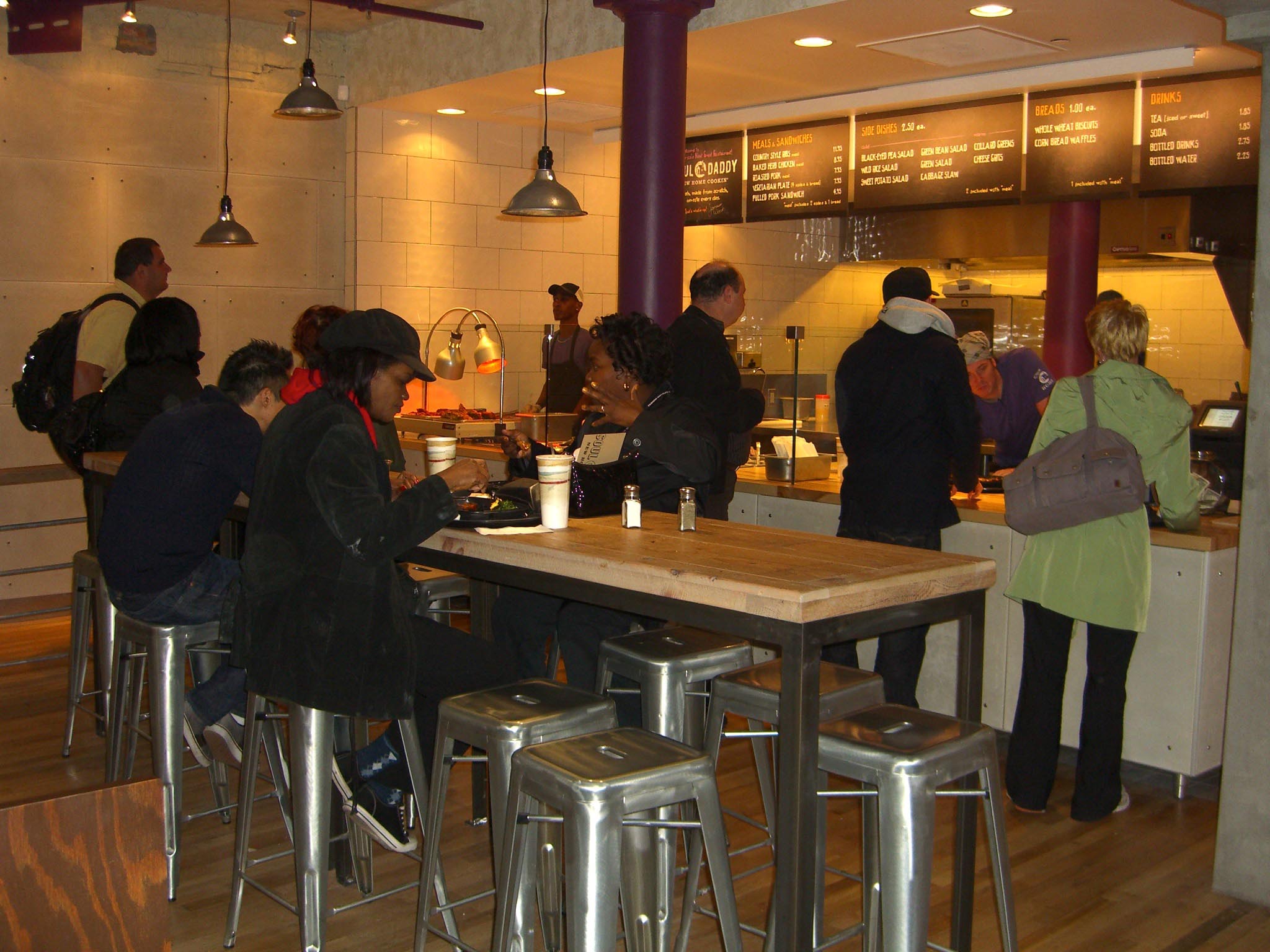
At its core, fast casual dining operates on a streamlined service model that prioritizes efficiency without sacrificing quality. Customers typically order at a counter, often from a visible preparation area where their food is assembled to their specifications, similar to a cafeteria line but with more personalized interaction. Unlike fast food, there's a greater emphasis on fresh, often locally sourced ingredients, and a wider array of customizable options, allowing for dietary preferences and specific tastes. The dining space itself is usually designed to be more comfortable and aesthetically pleasing than a typical fast-food joint, featuring better seating, décor, and sometimes even Wi-Fi, encouraging a slightly longer stay. Payment is usually made at the counter, and customers take their food to their tables, or it's brought to them in some models, but full table service with dedicated waitstaff is absent. This operational structure allows for lower labor costs and faster table turnover than full-service restaurants.
📊 Key Facts & Numbers
The financial scale of the fast casual sector is staggering. This segment accounts for approximately 25% of the total U.S. restaurant market share. The number of fast casual establishments has grown by over 50% in the last decade, outpacing both fast food and casual dining growth rates. This expansion is fueled by a customer base that spends an average of 15-20 minutes per visit, demonstrating the model's efficiency.
👥 Key People & Organizations
Several key figures and organizations have shaped the fast casual landscape. Steve Ells, founder of Chipotle Mexican Grill, is widely credited with popularizing the "food with integrity" ethos, emphasizing responsibly sourced ingredients. Ron Shachna, founder of Sweetgreen, has been instrumental in bringing a health-conscious, farm-to-table approach to the fast casual salad and bowl market, which he launched in 2007. Patrick Doyle, former CEO of Domino's Pizza, also played a role in modernizing fast food operations, indirectly influencing the efficiency benchmarks for fast casual. Major players include Chipotle Mexican Grill, Panera Bread, Shake Shack, Cava Group, and Sweetgreen, each carving out distinct market segments. Industry analysis firms like Technomic and NPD Group provide crucial data and insights into market trends and consumer behavior.
🌍 Cultural Impact & Influence
Fast casual dining has profoundly altered consumer expectations and the broader food ecosystem. It has normalized the idea of paying a premium for higher-quality, freshly prepared food that is still convenient, challenging the long-held perception that speed and quality were mutually exclusive. This has pressured traditional fast-food chains to improve their offerings, leading to menu innovations like healthier options and premium ingredients. Furthermore, the demand for transparency in sourcing, championed by brands like Chipotle Mexican Grill, has pushed the entire food industry towards greater accountability regarding sustainability and ethical practices. The aesthetic of fast casual restaurants, often featuring modern, clean designs, has also influenced the ambiance of other service sectors, including retail and co-working spaces. The rise of delivery platforms like DoorDash and Uber Eats has further amplified its reach, making these higher-quality meals accessible even further afield.
⚡ Current State & Latest Developments
The fast casual sector continues to evolve at a rapid pace. In 2024, the focus remains on digital integration, with enhanced mobile ordering, loyalty programs, and AI-driven personalization becoming standard. Brands are investing heavily in ghost kitchens and off-premise dining solutions to meet demand for delivery and takeout, a trend accelerated by the COVID-19 pandemic. There's also a noticeable push towards greater menu innovation, with an increasing emphasis on plant-based options, global flavors, and functional foods. Companies like Cava Group have seen significant success with their Mediterranean-inspired bowls, demonstrating the market's appetite for diverse culinary experiences. Sustainability initiatives, including reduced packaging waste and ethical sourcing, are also gaining prominence as consumers become more environmentally conscious. The competitive landscape remains fierce, with established players constantly innovating to retain market share against emerging concepts.
🤔 Controversies & Debates
The fast casual model is not without its critics and controversies. A primary debate centers on the true definition and differentiation from fast food, with some arguing that the lines have blurred considerably as major fast-food chains adopt similar strategies. Concerns about labor practices and wages persist, despite the generally higher price point compared to traditional fast food, as many fast casual jobs remain entry-level positions. The environmental impact of increased packaging for takeout and delivery, even with sustainable materials, is another point of contention. Furthermore, the rapid expansion of successful chains can lead to market saturation, raising questions about long-term viability and the potential for a 'fast casual bubble.' The sourcing of ingredients, while often touted as superior, can still face scrutiny regarding the actual scale of ethical and sustainable practices versus marketing claims.
🔮 Future Outlook & Predictions
The future of fast casual dining appears robust, though subject to ongoing adaptation. Expect continued technological integration, with automation playing a larger role in order processing and food preparation to enhance efficiency and manage labor costs. The demand for personalization will likely drive further menu customization and data-driven recommendations. Plant-based and flexitarian options are poised for significant growth, potentially becoming mainstream rather than niche offerings. Global flavors and fusion concepts will continue to gain traction as consumers seek novel culinary experiences. Consolidation within the industry is also probable, as larger corporations acquire successful smaller brands or as established players expand aggressively. The challenge will be maintaining perceived value and quality while navigating rising ingredient and labor costs, and evolving consumer preferences.
💡 Practical Applications
Fast casual dining has direct applications in various aspects of modern life. For busy professionals and students, it offers a quick yet satisfying lunch or dinner option that doesn't compromise on taste or perceived health benefits. It serves as a viable alternative for families seek
Key Facts
- Category
- culture
- Type
- topic