
Contents
Overview
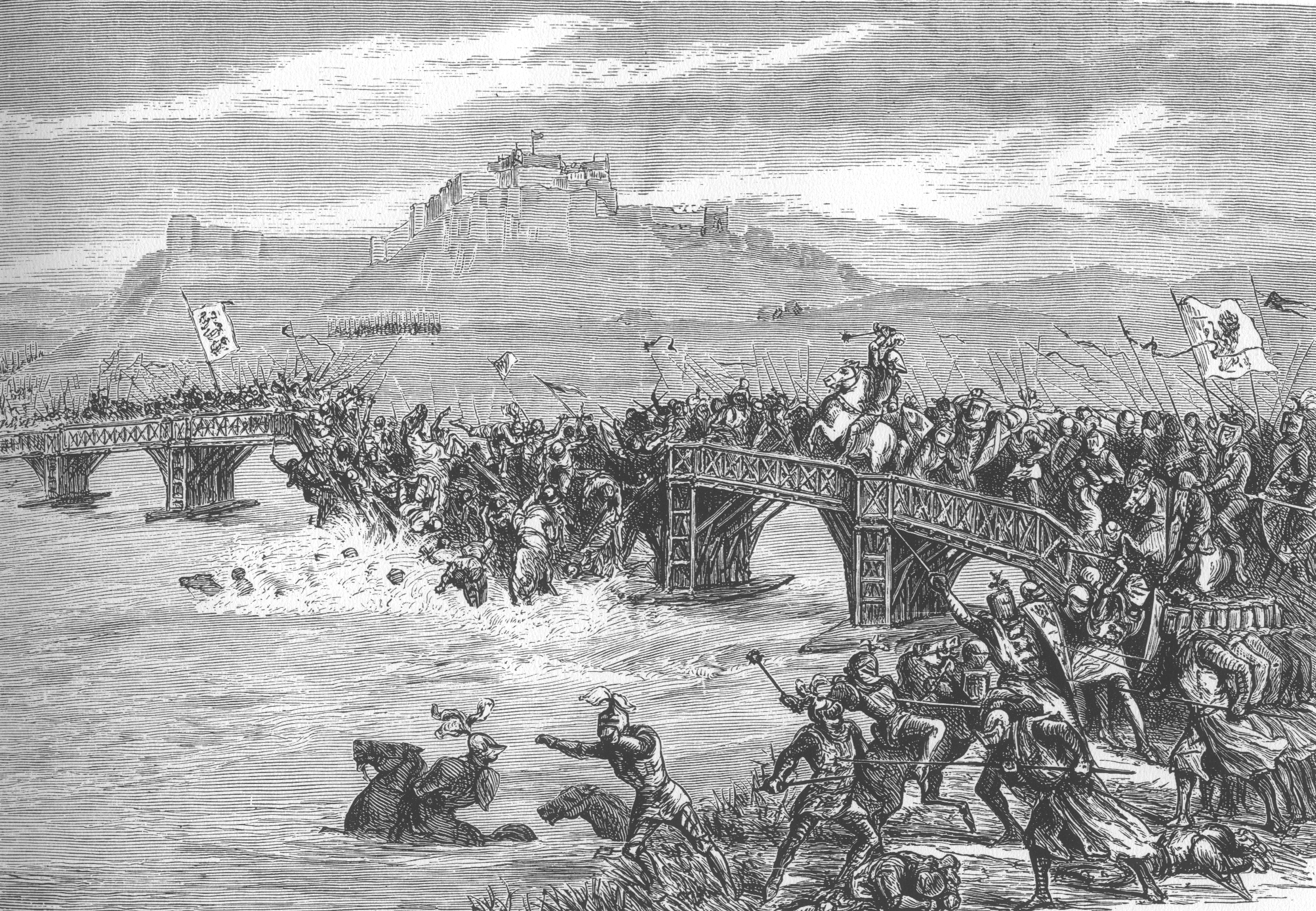
The First War of Scottish Independence (1296-1328) was a foundational conflict that pitted the nascent Scottish kingdom against the expansionist ambitions of the English crown. Sparked by King Edward I's invasion and the deposition of John Balliol, this war was far more than a mere border skirmish; it was a desperate fight for national survival and self-determination. Key figures like William Wallace and Robert the Bruce emerged as iconic leaders, rallying a fractured populace against a seemingly insurmountable foe. The conflict's brutal nature, marked by devastating battles like Strathord and the pivotal Battle of Bannockburn, ultimately secured de facto independence for Scotland by 1314, a status formally recognized by the Treaty of Edinburgh-Northampton in 1328. This war didn't just redraw maps; it cemented a distinct Scottish identity and laid the groundwork for centuries of complex Anglo-Scottish relations.
🎵 Origins & History
The seeds of the First War of Scottish Independence were sown in the complex web of feudal allegiances and dynastic disputes that plagued the late 13th century. Following the death of the Maid of Norway in 1290, the Scottish succession crisis provided King Edward I of England, often dubbed the 'Hammer of the Scots,' with the pretext to assert his overlordship. Edward's arbitration in favor of John Balliol was a Pyrrhic victory, as Balliol soon found himself a puppet king, forced to renounce his French alliance and pay homage to Edward. This humiliation, coupled with Edward's increasing demands and military interventions, ignited widespread Scottish resistance. The invasion of Scotland by Edward I in March 1296, marked by the brutal sack of Berwick-upon-Tweed, officially commenced hostilities, shattering any pretense of peaceful English suzerainty and plunging the kingdom into a protracted struggle for survival.
⚙️ How It Worked: Warfare and Strategy
The warfare of the First War of Scottish Independence was characterized by a stark contrast in military capabilities and strategic approaches. The English army, backed by the vast resources of the Angevin Empire, typically fielded heavily armored knights, professional men-at-arms, and a formidable contingent of archers, often employing tactics designed for pitched battles on open ground. The Scots, conversely, often relied on guerrilla warfare, ambushes, and the strategic use of terrain, particularly the rugged Scottish landscape, to negate English numerical and technological superiority. Figures like William Wallace masterfully employed schiltrons—dense formations of spearmen—to counter cavalry charges, as famously demonstrated at the Battle of Falkirk in 1298, though this tactic ultimately proved vulnerable to flanking maneuvers and superior English archery. Robert the Bruce, on the other hand, refined these strategies, emphasizing mobility and decisive engagements, culminating in the devastating victory at Bannockburn.
📊 Key Facts & Numbers
The First War of Scottish Independence spanned 32 years, from the English invasion in 1296 to the formal recognition of Scottish independence in 1328. During this period, an estimated 10,000 Scottish soldiers perished in combat, with civilian casualties also being significant due to widespread destruction and famine. The cost of the war for England was immense, with military campaigns alone estimated to have cost upwards of £100,000 annually during peak conflict periods. The Battle of Bannockburn in 1314, a decisive Scottish victory, saw an estimated 10,000 English soldiers killed or captured, a staggering loss that crippled Edward II's immediate ability to prosecute the war. The Treaty of Edinburgh-Northampton, signed in 1328, officially ended the conflict, with England renouncing all claims to Scottish sovereignty, a recognition that held for nearly three centuries until the Union of the Crowns in 1603.
👥 Key People & Organizations
Several towering figures defined the First War of Scottish Independence. William Wallace, a knight of minor nobility, rose to become a national hero and Guardian of Scotland, leading the initial resistance with remarkable ferocity and inspiring widespread popular support, though his capture and execution in 1305 marked a tragic turning point. Robert the Bruce, initially a rival claimant to the throne, eventually emerged as the preeminent leader, crowned King of Scots in 1306. His strategic acumen and unwavering determination, particularly his successful campaign to reclaim castles from English garrisons and his decisive victory at Bannockburn, were instrumental in securing Scottish independence. Other key figures include John Balliol, the deposed king whose claim served as a rallying point for some; Edward I of England, the relentless English monarch whose ambition fueled the conflict; and Edward II of England, the English monarch during the Battle of Bannockburn. The Knights Templar also played a tangential role, with their Scottish holdings being seized by Edward I.
🌍 Cultural Impact & Influence
The First War of Scottish Independence left an indelible mark on Scottish national identity and culture, forging a potent narrative of resistance against overwhelming odds. The figures of Wallace and Bruce became legendary, immortalized in ballads, poems, and later, epic films like Braveheart, which, despite historical inaccuracies, cemented their heroic status in popular consciousness. The war fostered a sense of shared purpose and distinctiveness among the Scottish people, solidifying their language, laws, and customs in opposition to English influence. This period also saw the development of iconic Scottish symbols and traditions, many of which continue to resonate today. The enduring legacy of this struggle is evident in the persistent Scottish desire for autonomy and the deep-seated historical memory of a nation forged in defiance.
⚡ Current State & Latest Developments
While the First War of Scottish Independence concluded with the Treaty of Edinburgh-Northampton in 1328, its echoes continue to resonate in modern geopolitical discussions. The historical narrative of Scottish resistance against English dominance remains a potent undercurrent in contemporary debates about Scottish sovereignty and the Scottish independence referendum of 2014. Historians continue to analyze the military strategies employed, the socio-economic impacts of the prolonged conflict, and the complex motivations of the key players. Furthermore, the ongoing academic study of medieval warfare, feudal systems, and the development of national identities often draws upon the rich historical record of this pivotal era, ensuring its continued relevance in understanding the historical trajectory of both Scotland and England.
🤔 Controversies & Debates
The First War of Scottish Independence is not without its controversies and debates, particularly concerning the motivations and actions of its key figures. The legitimacy of Robert the Bruce's claim to the throne, his role in the murder of John Comyn, and the extent of popular support for his cause remain subjects of historical scrutiny. Similarly, the portrayal of William Wallace, while largely heroic, is debated; some historians question the scale of his early military successes and the extent of his leadership beyond the initial uprising. The nature of Scottish society at the time—whether it was a unified nation or a collection of warring factions—is also debated. Furthermore, the historical accuracy of popular depictions, such as the film Braveheart, often clashes with scholarly consensus, leading to ongoing discussions about how historical events are remembered and mythologized.
🔮 Future Outlook & Predictions
The future outlook for the legacy of the First War of Scottish Independence is intrinsically linked to the ongoing political landscape of the United Kingdom. As long as questions of Scottish sovereignty persist, the historical narrative of this foundational war will remain a potent symbol. Future historical scholarship will likely continue to refine our understanding of the war's socio-economic impacts, the role of women and commoners in the conflict, and the nuanced diplomatic relations with continental powers like France. The potential for renewed calls for Scottish independence could see the historical figures of Wallace and Bruce re-enter the political discourse, potentially influencing public opinion and shaping future constitutional debates. The enduring spirit of defiance forged in this era suggests its narrative will continue to be invoked in discussions of national identity and self-determination.
💡 Practical Applications
While the First War of Scottish Independence is a historical event, its 'practical applications' lie primarily in the realm of national identity formation and political discourse. The war provides a foundational mythos for Scottish nationhood, a powerful narrative of resilience and the successful struggle for self-governance that continues to inform contemporary political movements, such as the Scottish National Party's advocacy for independence. The military strategies, particularly the use of the schiltron formation an
Key Facts
- Category
- history
- Type
- topic