
Contents
Overview
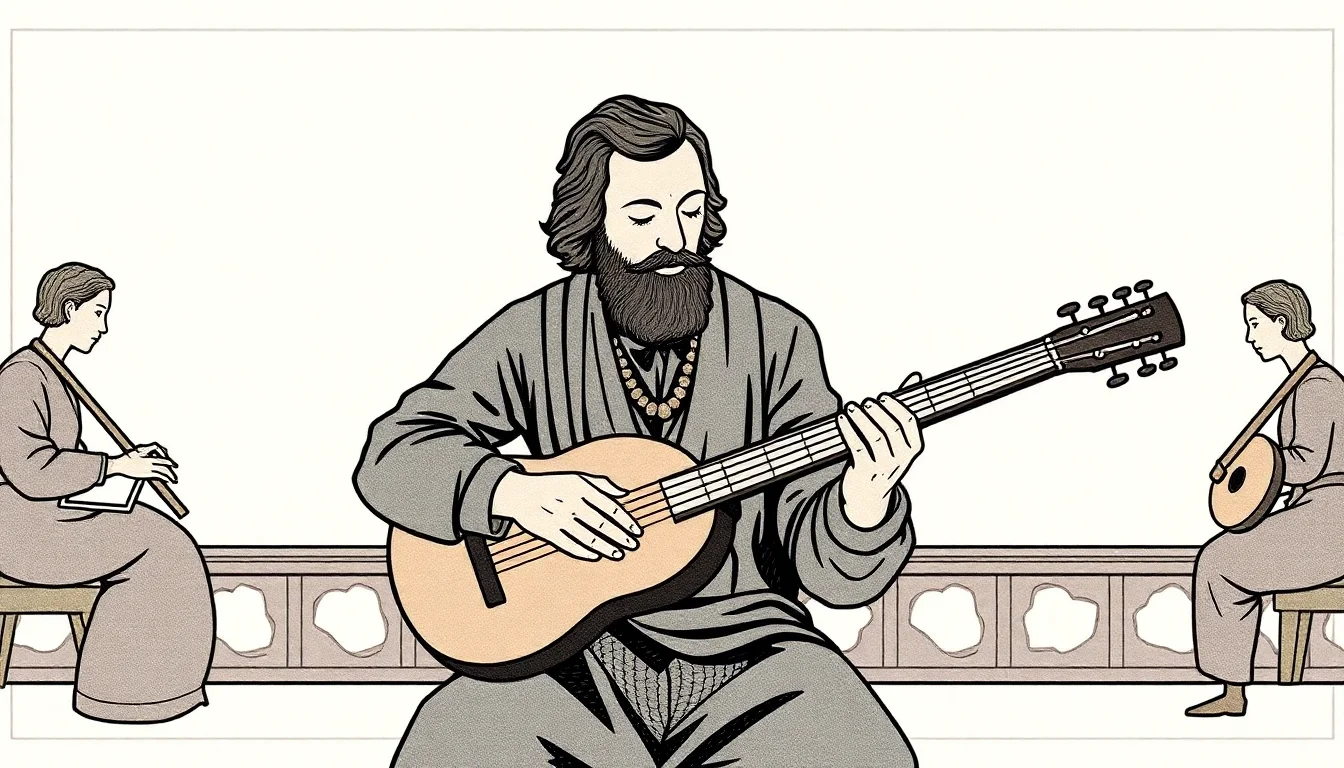
Francesco da Milano, born Francesco Canova da Milano around 1497 and dying in 1543, was a pivotal figure in the history of Renaissance music. Primarily known as a virtuoso lute player and composer, his influence extended across Europe. He served at the courts of some of the most powerful rulers of his time, including Francis I of France and Henry VIII of England, solidifying his reputation as one of the era's premier musicians. His compositions, though relatively few in number, are considered masterpieces of the lute repertoire, showcasing both technical brilliance and profound musicality. Understanding Francesco da Milano is key to grasping the evolution of instrumental music during the High Renaissance.
📜 Historical Context: The Lute's Golden Age
Francesco da Milano emerged during the zenith of the lute's popularity. This period, roughly the 16th century, saw the lute transition from a simple accompaniment instrument to a sophisticated solo voice capable of complex polyphony and expressive melodies. The invention of new tuning systems and advancements in lute construction allowed for greater technical possibilities, which composers like Francesco da Milano masterfully exploited. His work stands as a testament to this golden age, demonstrating the instrument's full potential before the rise of keyboard instruments and the Baroque guitar. The cultural milieu of Italian Renaissance courts, with their patronage of the arts, provided fertile ground for his innovative compositions.
🎼 Key Works & Musical Style
Francesco da Milano's surviving works consist mainly of fantasias and ricercars for solo lute, alongside a few dance pieces. His style is characterized by intricate melodic lines, sophisticated contrapuntal writing, and a remarkable sense of harmonic progression. The fantasias, in particular, are improvisatory in spirit, often featuring rapid scalar passages, arpeggios, and complex ornamentation that pushed the boundaries of lute technique. His ricercars, on the other hand, are more structured, often employing imitative polyphony akin to vocal motets. These pieces reveal a composer deeply attuned to the expressive capabilities of his instrument, moving beyond mere technical display to create music of profound emotional depth.
🌟 Why He Matters Today
Francesco da Milano's enduring legacy lies in his elevation of the lute to a premier solo instrument and his foundational role in the development of instrumental composition. His works served as models for subsequent generations of lutenists and composers, influencing figures like John Dowland and shaping the repertoire for centuries. The technical demands and artistic sophistication of his music continue to challenge and inspire modern performers. His compositions remain essential listening for anyone interested in the evolution of Western classical music and the rich tradition of plucked-string instruments. His music offers a direct window into the musical tastes and technical prowess of the Renaissance elite.
🤔 Debates & Controversies
The exact number of Francesco da Milano's surviving compositions is a subject of ongoing scholarly debate, with some works attributed to him later being re-assigned to other composers. Furthermore, the precise extent of his travels and the duration of his service at various courts are not always definitively documented, leading to differing interpretations of his career trajectory. While his genius is widely acknowledged, the scarcity of his output compared to some contemporaries fuels discussions about his working methods and the preservation of his musical legacy. The question of whether his influence was more direct or indirect on later composers also remains a point of academic interest.
🎧 Listening Recommendations
To truly appreciate Francesco da Milano, start with his most celebrated pieces. The Fantasia No. 11 and Fantasia No. 22 are excellent entry points, showcasing his improvisatory flair and melodic invention. For a taste of his more structured writing, listen to his Ricercar. Many recordings feature selections from his collected works, often performed on period-accurate lutes. Look for interpretations by renowned lutenists such as Paul O'Dette, Hopkinson Smith, or Julian Bream, who have dedicated significant effort to reviving and performing his repertoire. These recordings offer a sonic journey back to the heart of Renaissance musical expression.
📚 Further Exploration
For those eager to delve deeper into the world of Francesco da Milano, exploring scholarly editions of his complete works is a must. Books on Renaissance lute music, such as those by James Tyler or Howard Mayer Brown, often feature detailed analyses of his style and historical context. Examining primary source manuscripts, where available, provides direct insight into the music as it was originally conceived. Understanding the broader context of Renaissance courtly life and the patronage system is also crucial for appreciating the environment in which his music flourished. The Vibepedia knowledge graph offers further connections to related composers and musical forms of the era.
📍 Where to Find His Music
Finding recordings of Francesco da Milano's music is straightforward, with numerous options available across various platforms. Major classical music streaming services like Spotify, Apple Music, and Idagio host a wide selection of albums dedicated to his lute works. Online music retailers such as Amazon and specialist classical music stores also offer physical CDs and digital downloads. For those seeking authentic performances, exploring labels like Harmonia Mundi, Naxos, or Deutsche Grammophon is recommended. Many university libraries and music archives also provide access to historical recordings and scholarly resources related to his compositions.
Key Facts
- Year
- c. 1497 – c. 1543
- Origin
- Milan, Italy
- Category
- Music History
- Type
- Person
Frequently Asked Questions
What instrument did Francesco da Milano primarily compose for?
Francesco da Milano was almost exclusively a composer for the lute. His surviving works are predominantly solo pieces for this instrument, showcasing its capabilities during the Renaissance. While he may have performed other instruments, his compositional legacy is firmly rooted in the lute repertoire. His mastery of the instrument allowed him to explore its full technical and expressive potential.
What are the main types of pieces Francesco da Milano wrote?
His most significant contributions are his fantasias and ricercars for solo lute. Fantasias are often more improvisatory and virtuosic, while ricercars tend to be more structured and imitative, drawing parallels with vocal polyphony. He also composed a smaller number of dance pieces, contributing to the diverse instrumental genres of the Renaissance. These forms allowed him to experiment with melody, harmony, and counterpoint.
Which European courts did Francesco da Milano serve?
Francesco da Milano is documented as having served at the courts of Francis I of France and Henry VIII of England. He also likely spent time in Italy, potentially at the Sforza court in Milan, given his surname. His international career highlights the interconnectedness of European musical culture during the Renaissance and his own high standing as a musician. These appointments underscore his reputation across the continent.
How does Francesco da Milano compare to other Renaissance lute composers like John Dowland?
While both were masters of the lute, Francesco da Milano is generally considered to have been more focused on instrumental virtuosity and complex polyphony, representing an earlier phase of lute composition. John Dowland, writing slightly later, is renowned for his melancholic ayres (songs with lute accompaniment) and his more expressive, often introspective, solo lute pieces. Francesco's style is often seen as more purely instrumental and technically demanding, whereas Dowland brought a profound lyrical and emotional depth, particularly to his vocal works.
Are there many of Francesco da Milano's compositions that have survived?
Compared to some composers, the number of surviving works attributed to Francesco da Milano is relatively modest, with around 120 pieces for solo lute believed to be extant. However, the quality and influence of these pieces are immense. The scarcity of his output has also led to scholarly debate regarding attributions and the completeness of the historical record. Despite this, his existing repertoire is considered foundational for the lute.
Where can I hear authentic performances of Francesco da Milano's music?
Authentic performances are best found through recordings by skilled lutenists who specialize in early music. Look for artists like Paul O'Dette, Hopkinson Smith, or Julian Bream on reputable classical music labels. Many of these recordings utilize period-accurate instruments and performance practices, offering the most genuine listening experience. Concerts by early music ensembles also frequently feature his works.