
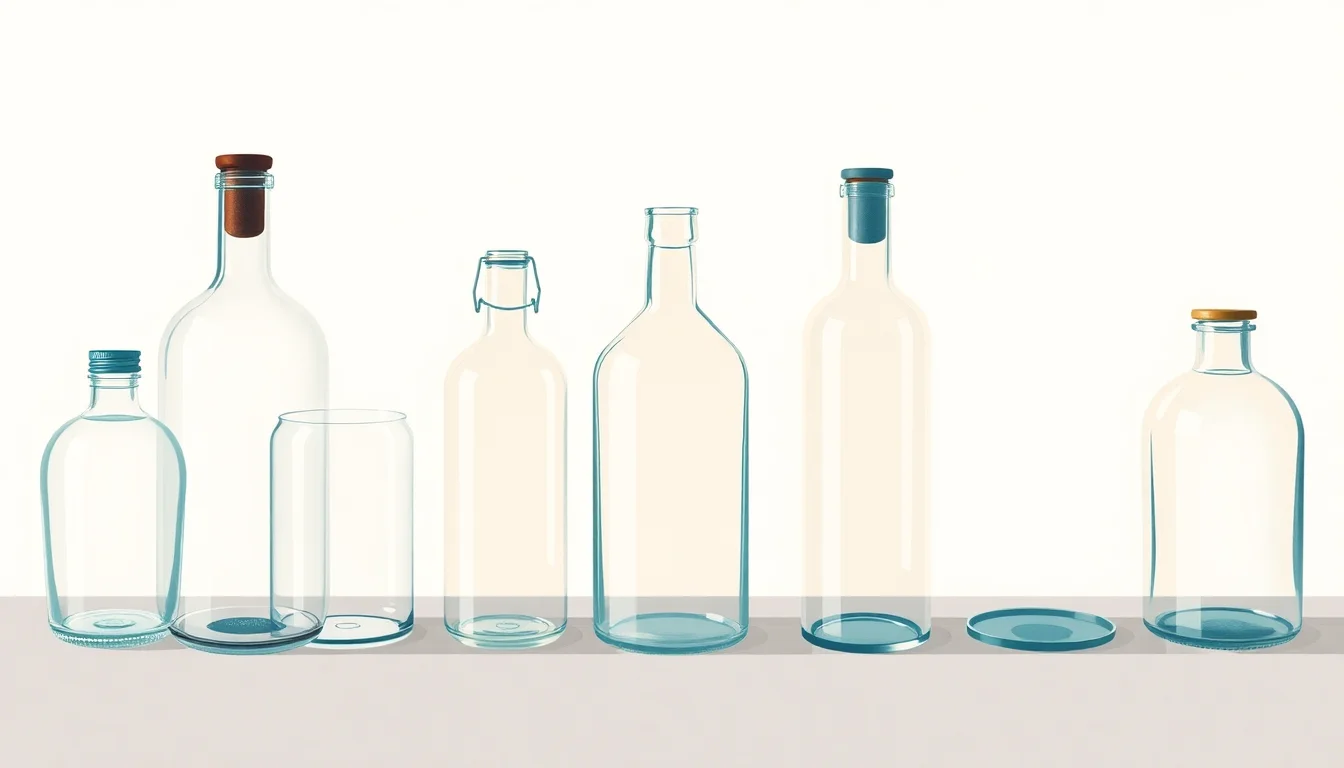
Contents
- 🌎 Introduction to Glass Containers
- 🔍 History of Glassmaking
- 💡 Properties of Glass Containers
- 📦 Applications of Glass Containers
- 🌈 Color and Decoration of Glass Containers
- 🔬 Manufacturing Process of Glass Containers
- 🚮 Sustainability and Environmental Impact
- 📈 Market Trends and Future Outlook
- 👥 Key Players in the Glass Container Industry
- 🤝 Challenges and Opportunities
- 📊 Economic Impact of Glass Containers
- 🔮 Conclusion and Future Directions
- Frequently Asked Questions
- Related Topics
Overview
Glass containers have been a staple of human civilization for millennia, with a history dating back to ancient Mesopotamia around 1500 BCE. The first glass containers were created by the Egyptians and Phoenicians, who developed a technique called core-forming, where a core of sand and soda was wrapped in a layer of molten glass. Today, glass containers are used in a wide range of applications, from food and beverage packaging to pharmaceuticals and cosmetics, with a global market valued at over $60 billion. Despite the rise of plastic and other materials, glass remains a popular choice due to its sustainability, durability, and aesthetic appeal, with companies like Owens-Illinois and Verallia leading the way in innovation. However, the industry is not without its challenges, including the high energy costs associated with glass production and the need for more efficient recycling methods. As the world becomes increasingly focused on reducing waste and promoting sustainability, the future of glass containers looks bright, with opportunities for growth and innovation in areas like bioglass and smart packaging.
🌎 Introduction to Glass Containers
The allure of glass containers has been a longstanding phenomenon, with their versatility, durability, and aesthetic appeal making them a staple in various industries. From ancient civilizations to modern times, glass containers have played a significant role in storing and preserving goods. The history of glassmaking dates back to around 2500 BCE, with the ancient Mesopotamians being among the first to produce glass. Today, glass containers are used in a wide range of applications, including food and beverage packaging, pharmaceuticals, and cosmetics. For more information on the history of glassmaking, visit the Glassmaking page. The properties of glass containers, such as their non-porous and non-toxic nature, make them an ideal choice for storing sensitive products. Additionally, glass containers can be recycled indefinitely, making them a sustainable option. Learn more about the Sustainability of glass containers and their environmental impact.
🔍 History of Glassmaking
The history of glassmaking is a rich and fascinating one, with various civilizations contributing to its development. The ancient Egyptians, for example, were known for their exquisite glasswork, which included intricate vessels and jewelry. The Romans also made significant contributions to glassmaking, introducing new techniques such as blowing and casting. Today, glassmaking is a global industry, with countries such as China, the United States, and Germany being among the top producers. For more information on the history of glassmaking, visit the Roman Glass page. The art of glassmaking has also been influenced by various cultural and artistic movements, including the Art Nouveau and Art Deco styles. The use of glass containers has also been shaped by technological advancements, such as the introduction of machine-made glass. Learn more about the Machine Made Glass process and its impact on the industry.
💡 Properties of Glass Containers
Glass containers possess a unique set of properties that make them an ideal choice for various applications. Their non-porous nature, for example, prevents the transfer of flavors and odors, making them perfect for storing food and beverages. Additionally, glass containers are non-toxic and resistant to corrosion, ensuring that the contents remain safe and fresh. The transparency of glass containers also allows for easy inspection and identification of the contents. For more information on the properties of glass containers, visit the Properties of Glass page. The durability of glass containers is also a significant advantage, as they can withstand extreme temperatures and physical stress. Furthermore, glass containers can be recycled indefinitely, reducing waste and minimizing environmental impact. Learn more about the Recycling process and its benefits.
📦 Applications of Glass Containers
The applications of glass containers are diverse and widespread, ranging from food and beverage packaging to pharmaceuticals and cosmetics. In the food industry, glass containers are used for storing and preserving a wide range of products, including jams, sauces, and pickles. The use of glass containers in the pharmaceutical industry is also significant, as they provide a safe and secure way to store and transport medications. For more information on the applications of glass containers, visit the Pharmaceutical Packaging page. Glass containers are also used in the cosmetics industry, where they are valued for their elegance and sophistication. Additionally, glass containers are used in laboratories and research institutions, where they are used to store and handle sensitive chemicals and materials. Learn more about the Laboratory Equipment used in these settings.
🌈 Color and Decoration of Glass Containers
The color and decoration of glass containers have played a significant role in their aesthetic appeal and cultural significance. Throughout history, glassmakers have used various techniques to create intricate and beautiful designs, including etching, engraving, and painting. The use of color in glass containers has also been a key aspect of their appeal, with various hues and shades being used to create unique and eye-catching effects. For more information on the color and decoration of glass containers, visit the Stained Glass page. The art of glassmaking has also been influenced by various cultural and artistic movements, including the Renaissance and Baroque styles. The use of glass containers has also been shaped by technological advancements, such as the introduction of machine-made glass. Learn more about the Machine Made Glass process and its impact on the industry.
🔬 Manufacturing Process of Glass Containers
The manufacturing process of glass containers involves several stages, including gathering, marvering, and annealing. The gathering process involves collecting a small amount of molten glass on the end of a metal blowpipe, which is then shaped and formed into the desired shape. The marvering process involves rolling the glass on a flat surface to create a stable and symmetrical shape. For more information on the manufacturing process of glass containers, visit the Glass Blowing page. The annealing process involves slowly cooling the glass over a period of time to prevent stresses and breakage. Additionally, glass containers can be decorated and finished using various techniques, such as etching, engraving, and painting. Learn more about the Glass Etching process and its applications.
🚮 Sustainability and Environmental Impact
The sustainability and environmental impact of glass containers are significant concerns in today's eco-conscious world. Glass containers are 100% recyclable, and recycling glass saves raw materials, reduces waste, and conserves energy. Additionally, glass containers are non-toxic and non-porous, making them a safe choice for storing food and beverages. For more information on the sustainability of glass containers, visit the Sustainable Packaging page. However, the production of glass containers also has an environmental impact, including energy consumption and greenhouse gas emissions. Learn more about the Greenhouse Gas Emissions associated with glass production and ways to reduce them.
📈 Market Trends and Future Outlook
The market trends and future outlook for glass containers are positive, with growing demand for sustainable and eco-friendly packaging solutions. The global glass container market is expected to grow at a CAGR of 4.5% from 2023 to 2028, driven by increasing demand for food and beverage packaging. For more information on the market trends and future outlook, visit the Market Trends page. The use of glass containers in the pharmaceutical and cosmetics industries is also expected to drive growth, as these industries prioritize safety and sustainability. Additionally, advancements in technology and manufacturing processes are expected to improve the efficiency and sustainability of glass container production. Learn more about the Industry Trends shaping the future of glass containers.
👥 Key Players in the Glass Container Industry
The key players in the glass container industry include companies such as Owens-Illinois, Verallia, and Ardagh Group. These companies are major producers of glass containers and have a significant presence in the global market. For more information on the key players, visit the Owens-Illinois page. The glass container industry is also characterized by a high level of competition, with many smaller companies and regional players competing for market share. Learn more about the Competition in the glass container industry and its impact on the market.
🤝 Challenges and Opportunities
The challenges and opportunities facing the glass container industry are significant, with growing demand for sustainable and eco-friendly packaging solutions. One of the major challenges facing the industry is the high energy consumption and greenhouse gas emissions associated with glass production. For more information on the challenges and opportunities, visit the Challenges page. However, this also presents an opportunity for companies to invest in sustainable technologies and manufacturing processes, reducing their environmental impact and improving their competitiveness. Additionally, the growing demand for glass containers in emerging markets presents a significant opportunity for companies to expand their presence and increase their market share. Learn more about the Emerging Markets and their potential for growth.
📊 Economic Impact of Glass Containers
The economic impact of glass containers is significant, with the global glass container market valued at over $60 billion in 2022. The industry also employs millions of people worldwide, from manufacturing and production to distribution and sales. For more information on the economic impact, visit the Economic Impact page. The use of glass containers also has a positive impact on the environment, as they are 100% recyclable and can be reused multiple times. Learn more about the Environmental Impact of glass containers and their role in reducing waste and conserving resources.
🔮 Conclusion and Future Directions
In conclusion, the enduring allure of glass containers is a testament to their versatility, durability, and aesthetic appeal. From ancient civilizations to modern times, glass containers have played a significant role in storing and preserving goods. As the world becomes increasingly eco-conscious, the demand for sustainable and eco-friendly packaging solutions is expected to drive growth in the glass container industry. For more information on the future of glass containers, visit the Future of Glass page. The use of glass containers will continue to evolve, with advancements in technology and manufacturing processes improving their efficiency and sustainability. Learn more about the Sustainable Future of glass containers and their role in reducing waste and conserving resources.
Key Facts
- Year
- 2023
- Origin
- Ancient Mesopotamia
- Category
- Materials Science
- Type
- Material
Frequently Asked Questions
What is the history of glassmaking?
The history of glassmaking dates back to around 2500 BCE, with the ancient Mesopotamians being among the first to produce glass. The art of glassmaking has been influenced by various cultural and artistic movements, including the Renaissance and Baroque styles. For more information, visit the Glassmaking page.
What are the properties of glass containers?
Glass containers possess a unique set of properties, including non-porous and non-toxic nature, durability, and transparency. They are also 100% recyclable, making them a sustainable option. For more information, visit the Properties of Glass page.
What are the applications of glass containers?
Glass containers are used in a wide range of applications, including food and beverage packaging, pharmaceuticals, and cosmetics. They are also used in laboratories and research institutions, where they are valued for their safety and durability. For more information, visit the Pharmaceutical Packaging page.
What is the manufacturing process of glass containers?
The manufacturing process of glass containers involves several stages, including gathering, marvering, and annealing. The process also includes decoration and finishing techniques, such as etching, engraving, and painting. For more information, visit the Glass Blowing page.
What is the sustainability and environmental impact of glass containers?
Glass containers are 100% recyclable, and recycling glass saves raw materials, reduces waste, and conserves energy. However, the production of glass containers also has an environmental impact, including energy consumption and greenhouse gas emissions. For more information, visit the Sustainable Packaging page.
What is the market trends and future outlook for glass containers?
The global glass container market is expected to grow at a CAGR of 4.5% from 2023 to 2028, driven by increasing demand for food and beverage packaging. The use of glass containers in the pharmaceutical and cosmetics industries is also expected to drive growth. For more information, visit the Market Trends page.
Who are the key players in the glass container industry?
The key players in the glass container industry include companies such as Owens-Illinois, Verallia, and Ardagh Group. These companies are major producers of glass containers and have a significant presence in the global market. For more information, visit the Owens-Illinois page.