
Contents
- 🌎 Introduction to Global Terrorism
- 📚 Defining Terrorism: A Complex Task
- 🌈 Types of Terrorism: Ideologies and Motivations
- 🕊️ The Impact of Terrorism on Civilians
- 👮 Counter-Terrorism Efforts: Challenges and Strategies
- 🤝 International Cooperation: A Key to Combating Terrorism
- 📊 The Economic Cost of Terrorism: A Growing Concern
- 💣 The Role of Technology in Modern Terrorism
- 📺 Media Coverage of Terrorism: A Delicate Balance
- 👥 The Human Factor: Radicalization and Recruitment
- 🔍 The Future of Terrorism: Emerging Trends and Threats
- Frequently Asked Questions
- Related Topics
Overview
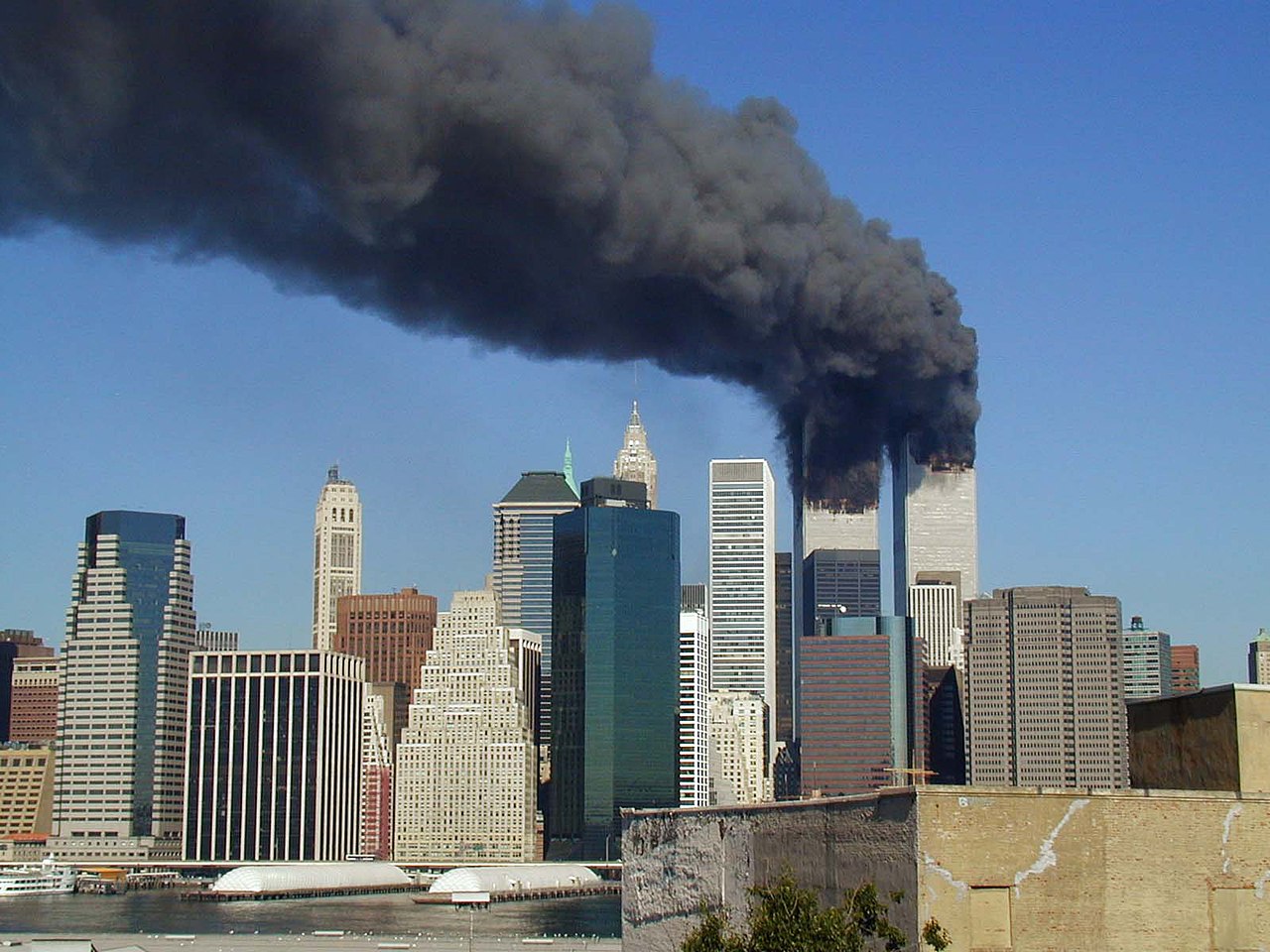
Global terrorism is a multifaceted phenomenon with roots in various ideologies, historical events, and socioeconomic factors. The 9/11 attacks in 2001, perpetrated by Al-Qaeda, marked a significant turning point in the global war on terror, with the US launching military interventions in Afghanistan and Iraq. Since then, the rise of the Islamic State (ISIS) has further complicated the landscape, with the group's brutal tactics and sophisticated online recruitment strategies. According to a report by the Global Terrorism Index, terrorist attacks have increased by 25% since 2019, with the majority occurring in the Middle East and North Africa. The economic costs of terrorism are also staggering, with estimates suggesting that the global economy loses over $50 billion annually due to terrorist activities. As the world grapples with the evolving threat of terrorism, it is essential to examine the complex interplay of factors driving this phenomenon and to develop effective strategies for prevention and counter-terrorism, including addressing the root causes of radicalization and improving international cooperation.
🌎 Introduction to Global Terrorism
The concept of Terrorism is complex and multifaceted, making it challenging to define and combat. At its core, Terrorism involves the use of violence against non-combatants to achieve political or ideological aims. This can include Suicide Bombings, Hijackings, and other forms of violence. The impact of Terrorism can be devastating, causing widespread fear and destruction. To understand Terrorism, it is essential to examine its various definitions and forms, including Domestic Terrorism and International Terrorism.
📚 Defining Terrorism: A Complex Task
Defining Terrorism is a complex task, with no universal agreement on its meaning. Different definitions of Terrorism emphasize its randomness, its aim to instill fear, and its broader impact beyond its immediate victims. The United Nations has attempted to define Terrorism, but a consensus has yet to be reached. Meanwhile, countries like the United States and Israel have their own definitions of Terrorism, which can sometimes conflict with those of other nations. Understanding these different definitions is crucial to developing effective Counter-Terrorism Strategies.
🌈 Types of Terrorism: Ideologies and Motivations
There are various types of Terrorism, each with its own ideology and motivations. Islamic Terrorism, for example, is driven by a radical interpretation of Islam. In contrast, Left-Wing Terrorism is often motivated by a desire to overthrow capitalist systems. Right-Wing Terrorism, on the other hand, is frequently driven by nationalist or racist ideologies. Understanding these different types of Terrorism is essential to developing effective Counter-Terrorism Strategies.
🕊️ The Impact of Terrorism on Civilians
The impact of Terrorism on civilians can be devastating. Terrorist Attacks can cause widespread fear and destruction, leading to a breakdown in social cohesion. The Psychological Impact of Terrorism can also be significant, with many victims experiencing Post-Traumatic Stress Disorder (PTSD) and other mental health issues. To mitigate these effects, it is essential to develop effective Counter-Terrorism Strategies that prioritize the protection of civilians. This can involve working with Human Rights Organizations to promote Human Rights and prevent Humanitarian Crises.
👮 Counter-Terrorism Efforts: Challenges and Strategies
Counter-Terrorism efforts are crucial to preventing and responding to Terrorist Attacks. These efforts can involve a range of strategies, including Intelligence Gathering, Law Enforcement, and Military Action. However, these strategies must be carefully balanced to avoid violating Human Rights or exacerbating Social and Economic Inequalities. To develop effective Counter-Terrorism Strategies, it is essential to work with International Organizations like the United Nations and Non-Governmental Organizations like Amnesty International.
🤝 International Cooperation: A Key to Combating Terrorism
International cooperation is a key component of effective Counter-Terrorism Strategies. By working together, countries can share Intelligence and best practices, helping to prevent Terrorist Attacks and respond to their aftermath. The United Nations plays a crucial role in promoting international cooperation on Counter-Terrorism, with initiatives like the UN Counter-Terrorism Committee. Regional organizations like the European Union and the Association of Southeast Asian Nations (ASEAN) also play important roles in promoting regional cooperation on Counter-Terrorism.
📊 The Economic Cost of Terrorism: A Growing Concern
The economic cost of Terrorism can be significant, with Terrorist Attacks causing widespread destruction and disrupting economic activity. The Economic Impact of Terrorism can also be felt in the long term, with many countries experiencing a decline in Foreign Investment and Tourism following a Terrorist Attack. To mitigate these effects, it is essential to develop effective Counter-Terrorism Strategies that prioritize economic development and stability. This can involve working with International Financial Institutions like the World Bank and the International Monetary Fund.
💣 The Role of Technology in Modern Terrorism
The role of technology in modern Terrorism is significant, with many Terrorist Groups using the internet and other digital technologies to communicate, recruit, and plan Terrorist Attacks. Cyber-Terrorism is also a growing concern, with many Terrorist Groups using Cyber-Attacks to disrupt critical infrastructure and steal sensitive information. To combat these threats, it is essential to develop effective Counter-Terrorism Strategies that prioritize Cyber-Security and Digital Forensics.
📺 Media Coverage of Terrorism: A Delicate Balance
The media plays a crucial role in shaping public perceptions of Terrorism, with many News Outlets providing extensive coverage of Terrorist Attacks. However, this coverage can sometimes be sensationalized, perpetuating negative stereotypes and exacerbating Social and Economic Inequalities. To promote more responsible media coverage of Terrorism, it is essential to work with Journalism Organizations and Media Watchdogs to promote Journalistic Ethics and Media Literacy.
👥 The Human Factor: Radicalization and Recruitment
The human factor is a critical component of Terrorism, with many Terrorist Groups relying on Radicalization and Recruitment to attract new members. Understanding the Psychological and Sociological Factors that drive Radicalization is essential to developing effective Counter-Terrorism Strategies. This can involve working with Social Scientists and Psychologists to promote Community Engagement and Social Inclusion.
🔍 The Future of Terrorism: Emerging Trends and Threats
The future of Terrorism is uncertain, with many Terrorist Groups adapting to changing circumstances and evolving their tactics. Emerging Trends in Terrorism include the use of Drone Technology and Artificial Intelligence to plan and execute Terrorist Attacks. To combat these threats, it is essential to develop effective Counter-Terrorism Strategies that prioritize Innovation and Adaptability.
Key Facts
- Year
- 2001
- Origin
- Middle East
- Category
- Politics and International Relations
- Type
- Concept
Frequently Asked Questions
What is the definition of terrorism?
The definition of Terrorism is complex and multifaceted, with no universal agreement on its meaning. Different definitions of Terrorism emphasize its randomness, its aim to instill fear, and its broader impact beyond its immediate victims. The United Nations has attempted to define Terrorism, but a consensus has yet to be reached.
What are the different types of terrorism?
There are various types of Terrorism, each with its own ideology and motivations. Islamic Terrorism, for example, is driven by a radical interpretation of Islam. In contrast, Left-Wing Terrorism is often motivated by a desire to overthrow capitalist systems. Right-Wing Terrorism, on the other hand, is frequently driven by nationalist or racist ideologies.
How does terrorism affect civilians?
The impact of Terrorism on civilians can be devastating. Terrorist Attacks can cause widespread fear and destruction, leading to a breakdown in social cohesion. The Psychological Impact of Terrorism can also be significant, with many victims experiencing Post-Traumatic Stress Disorder (PTSD) and other mental health issues.
What are the economic costs of terrorism?
The economic cost of Terrorism can be significant, with Terrorist Attacks causing widespread destruction and disrupting economic activity. The Economic Impact of Terrorism can also be felt in the long term, with many countries experiencing a decline in Foreign Investment and Tourism following a Terrorist Attack.
How can we prevent terrorism?
Preventing Terrorism requires a multifaceted approach that involves addressing the root causes of Radicalization and Recruitment. This can involve promoting Community Engagement and Social Inclusion, as well as supporting Counter-Terrorism Strategies that prioritize Innovation and Adaptability.
What is the role of technology in modern terrorism?
The role of technology in modern Terrorism is significant, with many Terrorist Groups using the internet and other digital technologies to communicate, recruit, and plan Terrorist Attacks. Cyber-Terrorism is also a growing concern, with many Terrorist Groups using Cyber-Attacks to disrupt critical infrastructure and steal sensitive information.
How can we balance security and human rights in the context of terrorism?
Balancing security and Human Rights in the context of Terrorism is a complex challenge. It is essential to develop Counter-Terrorism Strategies that prioritize the protection of civilians and respect for Human Rights. This can involve working with Human Rights Organizations and International Organizations to promote Human Rights and prevent Humanitarian Crises.