
Contents
Overview
The concept of habitat degradation, though not always termed as such, has roots stretching back to early human land-use practices. As human populations grew and developed agricultural societies, forests were cleared for crops and settlements, altering landscapes for millennia. Early ecological awareness began to emerge in the late 19th and early 20th centuries, with figures like John Muir advocating for the preservation of wilderness areas, highlighting the impact of logging and industrial expansion on natural environments. The formal scientific study of habitat loss and its ecological consequences gained significant traction in the mid-20th century, particularly following the publication of Rachel Carson's Silent Spring, which brought issues of pollution and its impact on ecosystems to the forefront. The establishment of organizations like the International Union for Conservation of Nature (IUCN) further solidified the global focus on conservation and the threats to natural habitats.
⚙️ How It Works
Habitat degradation operates through various mechanisms that diminish the quality and availability of living spaces for wildlife. Deforestation, driven by logging, agriculture (like palm oil plantations), and urban sprawl, removes vital tree cover, food sources, and shelter. Pollution, encompassing chemical runoff from farms and factories, plastic waste in oceans, and atmospheric contaminants, directly poisons organisms and renders environments uninhabitable. Climate change, fueled by greenhouse gas emissions from burning fossil fuels and industrial processes, alters temperature and precipitation patterns, forcing species to adapt, migrate, or perish. Habitat fragmentation, a precursor or component of degradation, breaks down large, contiguous habitats into smaller, isolated patches, hindering species movement, gene flow, and predator-prey dynamics. Even seemingly minor changes, like the introduction of invasive species facilitated by global trade, can outcompete native flora and fauna, fundamentally altering ecosystem structure.
📊 Key Facts & Numbers
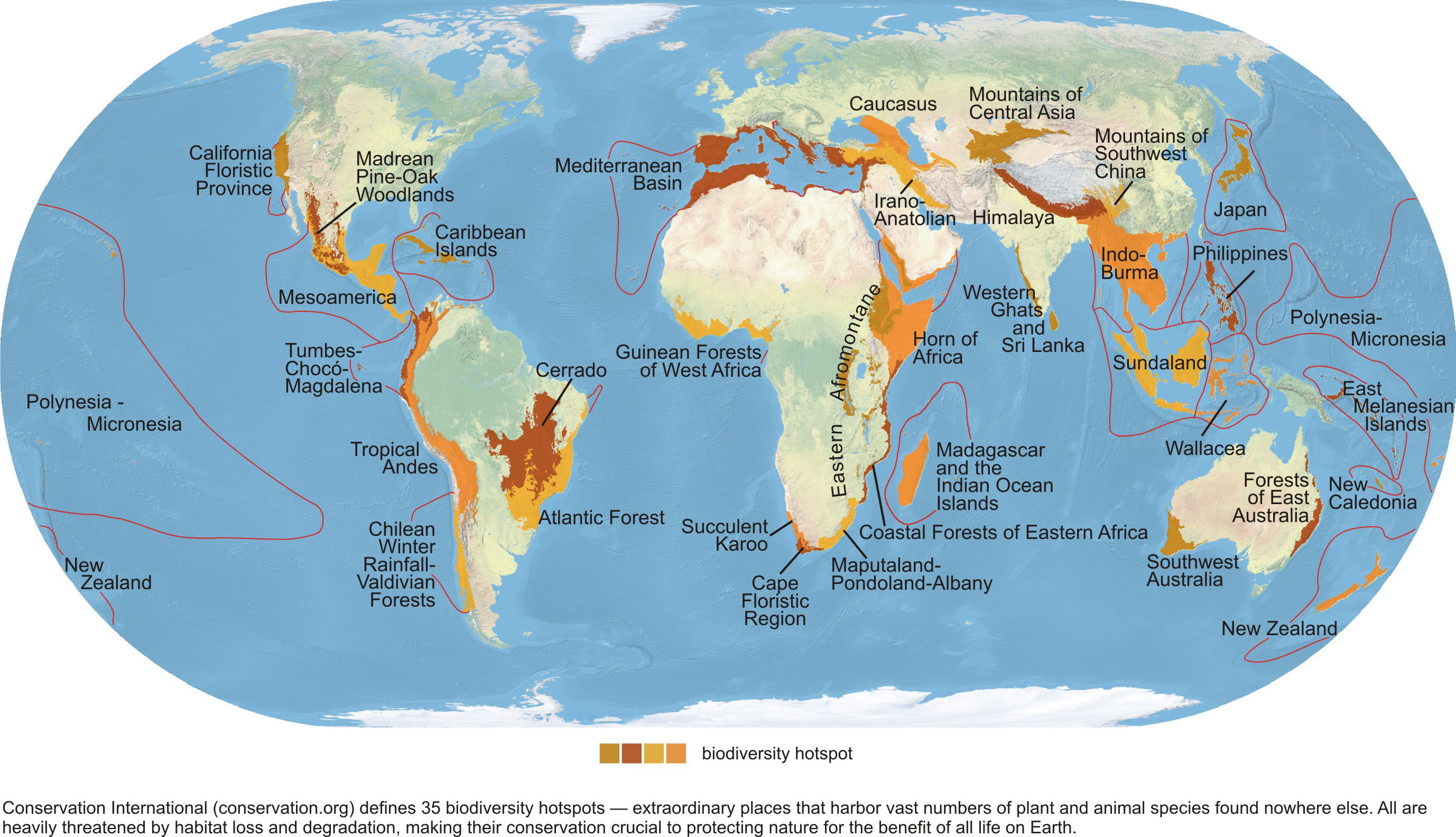
The scale of habitat degradation is staggering. Globally, it is estimated that around 50% of the world's habitable land has been converted for human use, primarily agriculture. Deforestation claims approximately 10 million hectares (25 million acres) of forest per year, an area roughly the size of Iceland, with tropical rainforests suffering the most severe losses. Marine habitats are equally threatened; over 90% of the world's fish stocks are now fully exploited, overexploited, or depleted, largely due to destructive fishing practices like bottom trawling, which can destroy seafloor ecosystems. Coral reefs, vital biodiversity hotspots, have seen over 50% of their populations destroyed, with projections suggesting up to 90% could be lost by 2050 due to warming oceans and acidification. Urban expansion alone consumes an estimated 1.5 million hectares of land annually worldwide.
👥 Key People & Organizations
Numerous individuals and organizations have been instrumental in understanding and combating habitat degradation. Ecologists like Edward O. Wilson extensively researched biodiversity and the impacts of habitat loss, coining the term 'biodiversity' and advocating for conservation. Conservation organizations such as the World Wildlife Fund (WWF) and The Nature Conservancy (TNC) work globally to protect critical habitats through land acquisition, policy advocacy, and restoration projects. The United Nations Environment Programme (UNEP) plays a crucial role in setting international environmental agendas and coordinating conservation efforts. Scientists like Thomas Lovejoy pioneered research on habitat fragmentation in the Amazon, demonstrating its devastating effects on species diversity. Policy advocates and researchers at institutions like Stanford University and Oxford University continue to publish critical studies on land-use change and its ecological ramifications.
🌍 Cultural Impact & Influence
Habitat degradation has profoundly shaped human culture and consciousness, often serving as a stark reminder of our impact on the planet. The loss of iconic species like the passenger pigeon (driven to extinction by overhunting and habitat loss) has become a potent symbol of human-induced ecological tragedy. Literature and art have frequently depicted the vanishing wilderness, from the romanticized landscapes of the Hudson River School painters to the stark environmental warnings in contemporary documentaries. The rise of ecotourism, while sometimes contributing to local pressures, also fosters appreciation for intact ecosystems and the species they support, creating economic incentives for conservation. Conversely, the relentless march of development, often celebrated in narratives of progress and expansion, has also normalized the alteration and destruction of natural landscapes, embedding a human-centric view of the world into many cultural frameworks. The concept of 'rewilding' and the growing popularity of nature-based solutions reflect a cultural shift towards valuing and restoring degraded habitats.
⚡ Current State & Latest Developments
The current state of habitat degradation remains a critical global challenge. Deforestation continues at alarming rates in regions like the Amazon rainforest and Southeast Asia, driven by demand for commodities such as soy, beef, and palm oil. Industrial pollution, particularly microplastics and chemical contaminants, poses an escalating threat to aquatic ecosystems, impacting everything from plankton to marine mammals. The ongoing climate crisis exacerbates habitat issues, with rising sea levels threatening coastal wetlands and increased frequency of extreme weather events like wildfires and droughts devastating terrestrial ecosystems. Efforts to halt degradation are ongoing, with initiatives like the 30x30 initiative aiming to protect 30% of the planet's land and oceans by 2030, but progress is often hampered by economic interests and political inertia. The expansion of renewable energy infrastructure, while crucial for climate mitigation, also presents new challenges related to land use and potential habitat fragmentation if not planned carefully.
🤔 Controversies & Debates
Significant controversies surround habitat degradation, particularly concerning the balance between economic development and environmental protection. Critics argue that strict conservation measures can stifle economic growth, leading to job losses and hindering poverty reduction in developing nations. Conversely, proponents of conservation emphasize the long-term economic benefits of healthy ecosystems, including vital services like pollination, water purification, and climate regulation, which are often undervalued. Debates also arise over the effectiveness and fairness of conservation strategies, with some indigenous communities arguing that protected areas displace them from their ancestral lands without adequate compensation or consultation. The role of large-scale agricultural corporations and extractive industries in driving degradation is a constant point of contention, with ongoing legal battles and public protests demanding greater accountability and stricter regulations. The debate over whether to prioritize protecting existing intact habitats or restoring degraded lands also sparks discussion among conservationists.
🔮 Future Outlook & Predictions
The future outlook for habitat degradation is a complex interplay of escalating threats and potential solutions. Projections suggest that continued human population growth and consumption patterns will intensify pressures on natural landscapes, potentially leading to further biodiversity loss and ecosystem collapse. However, advancements in technology, such as remote sensing for monitoring deforestation and precision agriculture to reduce land footprint, offer new tools for mitigation. The growing global commitment to climate action, if realized, could slow down climate-driven habitat changes. Furthermore, the increasing recognition of the economic value of ecosystem ser
Key Facts
- Category
- nature
- Type
- topic