
Contents
Overview
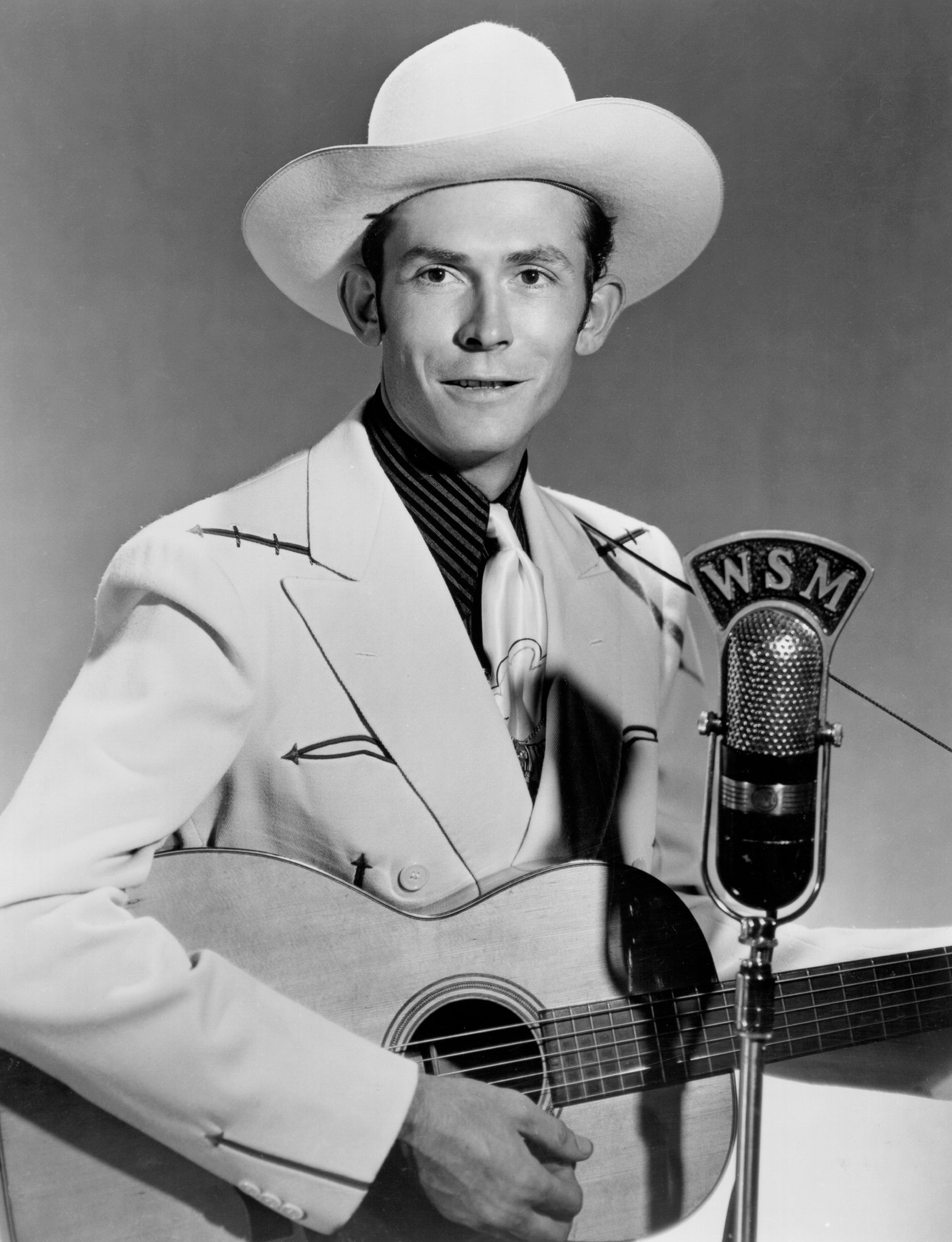
Hiram 'Hank' Williams Sr. (September 17, 1923 – January 1, 1953) was an American singer-songwriter whose raw, honest lyrics and distinctive vocal style cemented his status as a foundational figure in country music and a profound influence on subsequent generations of musicians across genres. Born in Mount Olive, Alabama, Williams learned guitar from blues musician Rufus Payne, absorbing influences that would shape his unique sound. Despite a career tragically cut short by alcoholism and early death at age 29, he penned and performed over 55 singles that charted in the Billboard Top 10, including 12 number-one hits like 'Your Cheatin' Heart' and 'Hey, Good Lookin'.' His music, characterized by themes of heartbreak, infidelity, and everyday struggles, resonated deeply with working-class audiences and continues to be celebrated for its enduring emotional power and artistic integrity.
🎵 Origins & History
Hiram 'Hank' Williams learned to play the guitar from Rufus Payne, an African-American blues musician who instilled in him a foundational understanding of chord structures and phrasing. This early exposure to blues, combined with the gospel music of his mother's church and the burgeoning sounds of country music from performers like Roy Acuff, forged the unique sonic palette that would define Williams's career. By his late teens, Williams had formed his own band, the Drifting Cowboys, and was performing on local radio stations in Montgomery, Alabama, honing his songwriting and performance skills. His raw talent and relatable lyrics quickly garnered attention, setting the stage for his meteoric rise in the post-World War II music scene.
⚙️ How It Works: The Sound of Hank
The 'sound of Hank' is a deceptively simple yet profoundly effective blend of country, blues, and gospel influences, delivered with an unvarnished emotional intensity. His songwriting was characterized by direct, conversational language that spoke to universal themes of love, loss, and hardship, often with a poignant, self-deprecating humor. Musically, his signature yodel, a technique learned from Jimmie Rodgers, became an instantly recognizable element, adding a layer of plaintive vulnerability to his vocals. The instrumentation of the Drifting Cowboys, typically featuring steel guitar, fiddle, and a steady rhythm section, provided a sparse but potent backdrop that allowed Williams's voice and lyrics to take center stage. This stripped-down approach, prioritizing emotional authenticity over technical complexity, was a deliberate choice that resonated deeply with audiences who felt their own lives reflected in his music.
📊 Key Facts & Numbers
Hank Williams's career, though tragically short, yielded an astonishing output of hit records. His music continues to be celebrated for its enduring emotional power and artistic integrity. The Grand Ole Opry invited him to join in 1949, a significant milestone for any country artist, though his tenure was brief due to his erratic behavior.
👥 Key People & Organizations
Beyond Hank Williams Sr. himself, several key figures shaped his career and legacy. His mother, Jesse 'Lula' Smith, played a crucial role in managing his early career and finances, providing a vital support system. Audrey Williams, his second wife, was a significant presence, often involved in his musical endeavors and business dealings, though their relationship was tumultuous. Rufus Payne served as an early musical mentor, teaching him guitar. On the business side, Fred Rose and Hy Cobb of Acuff-Rose Music were instrumental in publishing and promoting his songs, helping to secure his place in music history. His son, Hank Williams Jr., also became a successful country music star, carrying on the family name and musical tradition, while his daughter, Jett Williams, has been active in preserving his legacy.
🌍 Cultural Impact & Influence
Hank Williams Sr.'s influence on American music is immeasurable, extending far beyond the confines of country music. His lyrical honesty paved the way for countless singer-songwriters. Artists from Bob Dylan and Bruce Springsteen to The Rolling Stones and Elvis Presley have cited Williams as a major inspiration. His songs have been covered by thousands of artists across genres, from rockabilly and folk to blues and pop. The Rock and Roll Hall of Fame inducted him as one of its original honorees in 1986, recognizing his foundational impact on popular music. His music continues to be a touchstone for authenticity and emotional depth in songwriting.
⚡ Current State & Latest Developments
Despite his death over 70 years ago, Hank Williams Sr.'s music remains vibrantly alive. His catalog continues to be streamed by millions worldwide, and his songs are regularly performed by contemporary artists. The Hank Williams Museum in Montgomery, Alabama, draws thousands of visitors annually, dedicated to preserving his life and work. Ongoing efforts by his estate and record labels ensure his music remains accessible, with frequent reissues and compilations introducing his work to new audiences.
🤔 Controversies & Debates
The most persistent controversy surrounding Hank Williams Sr. revolves around his struggles with alcoholism and drug abuse, which ultimately led to his premature death. Debates also persist regarding the extent of his songwriting contributions versus those of his collaborators, particularly Fred Rose, who was instrumental in shaping and publishing many of his hits. Furthermore, the commercialization of his image and music posthumously has sometimes been viewed critically by purists who feel it exploits his tragic life story, though others see it as a necessary means of keeping his legacy alive for new generations.
🔮 Future Outlook & Predictions
The future of Hank Williams Sr.'s legacy appears secure, driven by the timeless quality of his music and the ongoing efforts to introduce him to new audiences. Advances in digital distribution and streaming platforms ensure his catalog remains readily available, while curated playlists and artist tributes continue to highlight his influence. There is ongoing interest in biographical projects, including potential films or documentaries that could further illuminate his life and impact. The enduring appeal of his raw, emotional storytelling suggests his music will continue to resonate with listeners facing similar life experiences, ensuring his place as a perpetual voice in American popular music.
💡 Practical Applications
Hank Williams Sr.'s songs are not just musical artifacts; they are blueprints for emotional expression and storytelling that find practical application across various creative fields. His lyrical directness and thematic honesty serve as a masterclass for aspiring songwriters in country, folk, and Americana music, demonstrating how to connect with an audience on a deeply personal level. His influence is evident in the narrative structures and character development found in many contemporary songs, teaching artists how to craft compelling stories within a three-minute format. Furthermore, his music has been utilized in film soundtracks and theatrical productions, underscoring its power to evoke specific moods and historical contexts, from the dusty roads of the American South to the universal pangs of heartbreak.
Key Facts
- Category
- culture
- Type
- topic