
Contents
Overview
The genesis of Hawaiian culture is linked to the voyages of Polynesian navigators who first settled the Hawaiian Islands. These explorers brought with them a complex social structure, agricultural techniques, and a spiritual cosmology that would evolve over centuries in relative isolation. Early Hawaiian society was organized into a hierarchical system of chiefs (aliʻi) and commoners, governed by a system of kapu (taboos) that dictated social conduct and religious observance. This period saw the development of distinct Hawaiian art forms, including intricate featherwork, petroglyphs, and the foundational elements of hula, all deeply interwoven with mythology and the natural world. Sustained contact with Westerners initiated an era of profound cultural disruption.
⚙️ Core Elements & Practices
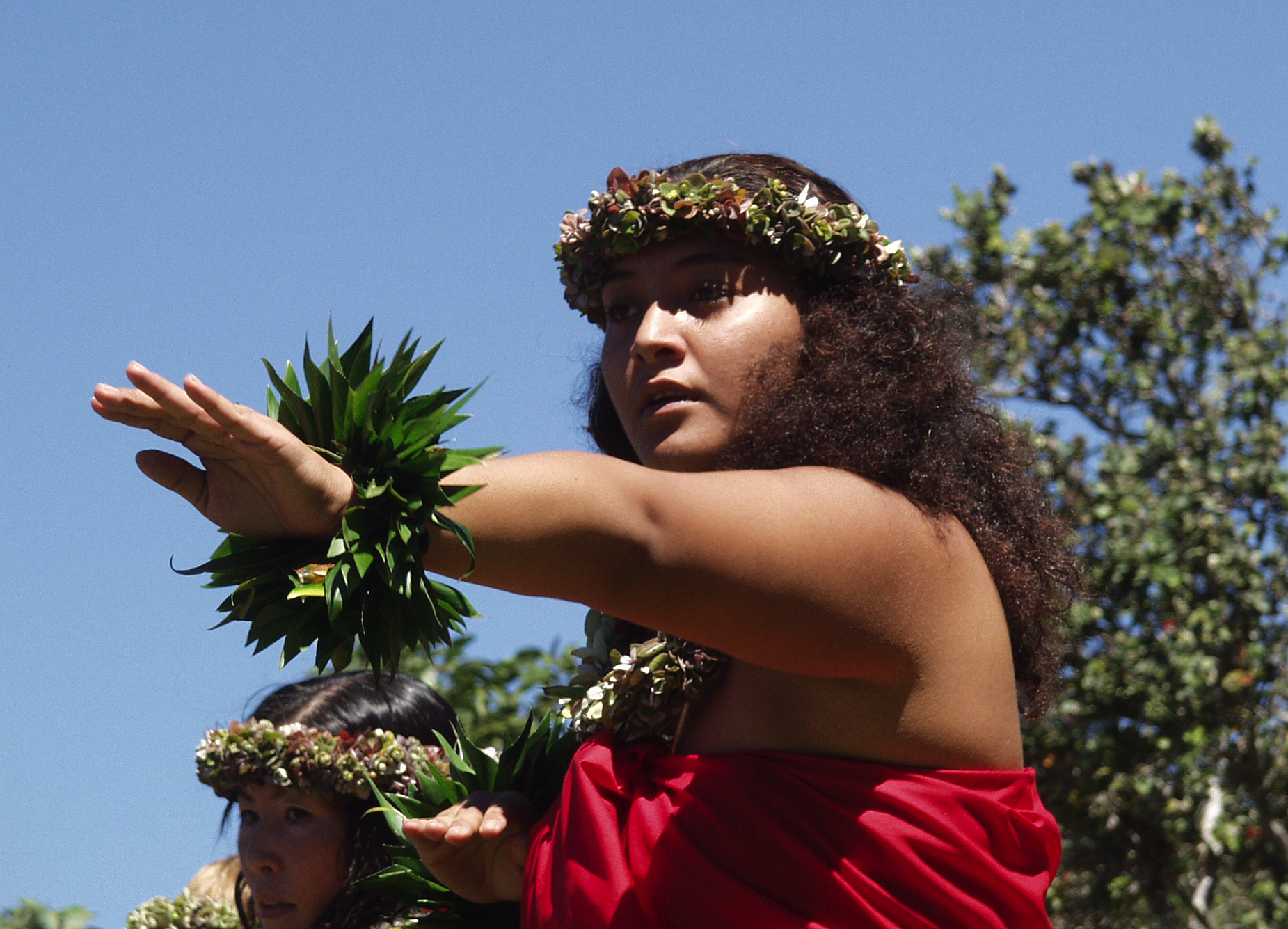
At the heart of Hawaiian culture lies the concept of 'aloha', a multifaceted word embodying love, compassion, peace, and mutual respect, extending not only to people but also to the environment. Spirituality is deeply animistic, with reverence for the natural world – the ocean (kai), the mountains (mauna), and the sky (lani) – seen as imbued with divine energy or 'mana'. Traditional practices like 'oli' (chanting) and 'hula' (dance) are not mere performance arts but sacred forms of storytelling, historical record-keeping, and spiritual communication. The 'ohana' (family) structure is paramount, emphasizing collective responsibility and interconnectedness that extends beyond immediate blood relations to encompass the entire community and ancestral lineage. Traditional Hawaiian medicine, utilizing native plants and holistic approaches, also remains a vital component of cultural health and well-being.
📊 Key Facts & Numbers
The Hawaiian language is ʻŌlelo Hawaiʻi. The Hawaiian language, ʻŌlelo Hawaiʻi, once on the brink of extinction, has seen a resurgence, thanks to immersion schools like Pūnana Leo and Kamehameha Schools. The Hawaiian Renaissance of the late 20th century revitalized traditional arts.
👥 Key Figures & Organizations
Key figures instrumental in shaping and preserving Hawaiian culture include Queen Liliʻuokalani, the last reigning monarch, whose writings and advocacy championed Native Hawaiian rights and cultural integrity. David Kalākaua is celebrated for his efforts to revive traditional arts like hula and chant during his reign in the late 19th century. In the modern era, figures involved with organizations such as the Office of Hawaiian Affairs (OHA) and the Native Hawaiian Legal Corporation (NHLC), have been pivotal in advocating for Native Hawaiian sovereignty, land rights, and cultural preservation. The Kamehameha Schools, founded by the estate of Bernice Pauahi Bishop, remains a leading educational institution dedicated to the upliftment of Native Hawaiians.
🌍 Cultural Impact & Influence
Hawaiian culture's influence is far-reaching, permeating global perceptions of island life and indigenous resilience. The globally recognized dance form, hula, has become a symbol of Hawaiian identity, with thousands of practitioners worldwide. Concepts like 'aloha' and 'ohana' have entered the global lexicon, representing ideals of community and unconditional love. The environmental ethos embedded in Hawaiian culture, emphasizing 'mālama ʻāina' (care for the land), has gained traction within global sustainability movements. Furthermore, the struggle for Native Hawaiian self-determination has become a significant case study in indigenous rights movements worldwide, influencing legal and political discourse on sovereignty and cultural autonomy.
⚡ Current State & Revitalization
The 21st century sees Hawaiian culture in a dynamic state of revitalization and adaptation. The ʻŌlelo Hawaiʻi language immersion programs are expanding, fostering new generations of fluent speakers. Traditional practices, from canoe building and navigation to traditional farming and healing, are being actively revived and taught. The rise of digital platforms has enabled Native Hawaiians to share their stories, music, and art globally, fostering a stronger sense of community and cultural pride. However, this revitalization occurs against a backdrop of ongoing challenges, including economic disparities, environmental pressures from tourism and development, and the persistent legacy of colonization, prompting continuous advocacy and cultural innovation.
🤔 Controversies & Debates
The most significant controversy surrounding Hawaiian culture revolves around the question of sovereignty and self-determination for Native Hawaiians. Debates persist regarding the legitimacy of the overthrow of the Hawaiian Kingdom and the subsequent annexation by the United States, with ongoing calls for reparations and nationhood. Another point of contention is the commercialization and appropriation of Hawaiian cultural elements, particularly hula and traditional motifs, by non-Native entities, raising issues of cultural authenticity and economic exploitation. The impact of mass tourism on the islands also sparks debate, with concerns about the commodification of culture and the strain on local resources and traditional ways of life.
🔮 Future Outlook & Predictions
The future of Hawaiian culture appears poised for continued growth and adaptation, driven by a younger generation deeply connected to their heritage. Expect to see further advancements in language revitalization, with a potential for ʻŌlelo Hawaiʻi to become more integrated into public life and education. Innovations in traditional arts, such as contemporary hula choreography and modern interpretations of ancient chants, will likely emerge. The movement for Native Hawaiian sovereignty is expected to gain further momentum, potentially leading to new political and legal frameworks. Furthermore, as global awareness of indigenous rights and environmental stewardship increases, Hawaiian cultural practices and philosophies, like 'aloha ʻāina', will likely play an even more prominent role in shaping global conversations.
💡 Practical Applications
Hawaiian culture offers practical applications and insights across various domains. The principles of 'aloha ʻāina' provide a powerful framework for environmental conservation and sustainable land management, influencing modern ecological practices and policy. Traditional navigation techniques, once thought lost, are being studied and applied in modern maritime education, highlighting sophisticated ancestral knowledge. The emphasis on community and collective well-being within the 'ohana' structure offers valuable lessons for social work, community development, and even corporate team-building. Furthermore, the resilience and adaptability demonstrated by Native Hawaiians in preserving their culture serve as an inspiring model for other indigenous groups facing similar challenges worldwide.
Key Facts
- Category
- culture
- Type
- topic