
Contents
Overview
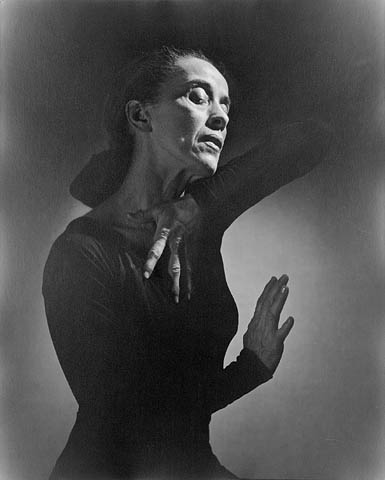
The history of modern dance chronicles a departure from the rigid structures of classical ballet, emerging in the late 19th and early 20th centuries as a potent expression of individual freedom and social commentary. Pioneered by figures like Isadora Duncan, Loie Fuller, and Ruth St. Denis in Europe and the United States, this new art form sought to liberate the body from corsets and pointe shoes, embracing natural movement and emotional authenticity. It evolved through distinct waves, from the early pioneers' focus on free expression to the codified techniques of Martha Graham and Doris Humphrey, and later the postmodern explorations of Merce Cunningham and Judson Dance Theater. Modern dance's influence extends globally, continually reshaping theatrical dance and reflecting the sociopolitical landscapes of its time.
🎵 Origins & History
The genesis of modern dance lies in a deliberate rejection of the perceived artifice and restrictive vocabulary of classical ballet, which dominated Western theatrical dance. By the late 19th century, artists like Isadora Duncan in Greece, inspired by ancient Greek ideals, began shedding corsets and pointe shoes to dance barefoot in flowing tunics, emphasizing natural, uninhibited movement and emotional expression. Simultaneously, Loie Fuller in Paris experimented with theatrical lighting and voluminous costumes to create abstract visual spectacles, while Ruth St. Denis in the United States drew inspiration from Eastern cultures, seeking a more spiritual and exotic dimension in dance. These early pioneers, often working outside established theatrical institutions, laid the groundwork for a new dance language that prioritized personal experience and social relevance over balletic virtuosity.
⚙️ How It Works
Modern dance, in its essence, operates on principles of freedom, expression, and a direct connection between inner feeling and outward movement. Unlike ballet's codified steps and precise lines, modern dance techniques, developed by second-generation choreographers like Martha Graham, Doris Humphrey, and Charles Weidman, often emphasize gravity, the use of the torso as a source of movement, and floor work. Graham's technique, for instance, is characterized by its "contraction and release," a visceral exploration of human emotion, while Humphrey's work focused on "fall and recovery," exploring the body's relationship with gravity. Postmodern developments, particularly from the Judson Dance Theater collective, further deconstructed dance, questioning what constitutes dance itself by incorporating everyday movements and pedestrian actions.
📊 Key Facts & Numbers
The development of modern dance saw a significant shift in performance spaces, moving from grand opera houses to smaller, more intimate theaters and even unconventional venues. The number of academic dance programs in universities across the US alone grew from a handful in the 1930s to over 500 by the 1980s, reflecting the institutionalization of the art form. Choreographic works often explored themes ranging from Greek mythology to contemporary social issues, with approximately 70% of repertory in major companies being new creations each decade.
👥 Key People & Organizations
Key figures who shaped modern dance include the "pioneers" like Isadora Duncan, Loie Fuller, and Ruth St. Denis, who broke from balletic tradition. The "second generation" such as Martha Graham, Doris Humphrey, Hanya Holm, and Charles Weidman codified distinct techniques and established influential schools and companies. Later, Merce Cunningham revolutionized choreography by separating dance from music and narrative, while Alvin Ailey brought African American experiences to the forefront with his eponymous company, founded in 1958. Organizations like the Judson Dance Theater became crucibles for postmodern experimentation, challenging the very definition of dance.
🌍 Cultural Impact & Influence
Modern dance has profoundly influenced not only theatrical dance but also broader cultural expressions, including contemporary choreography, musical theater, and even film. Its emphasis on emotional authenticity and personal narrative resonated deeply, providing a vehicle for artists to address sociopolitical issues, from the Great Depression in works by Doris Humphrey to racial injustice in pieces by Alvin Ailey. The experimental spirit of postmodern dance, in particular, has seeped into various art forms, encouraging interdisciplinary collaboration and a questioning of established norms. The global reach of modern dance has also led to the development of distinct national styles and interpretations, enriching the international dance landscape.
⚡ Current State & Latest Developments
In the 21st century, modern dance continues to evolve, often blurring lines with contemporary dance, which itself is a broad category encompassing many styles that have roots in modern and postmodern dance. Choreographers are increasingly engaging with digital technologies, exploring virtual performances and interactive media, as seen in works by artists like Wayne McGregor. There's a growing emphasis on diversity, inclusion, and intercultural dialogue, with companies actively seeking to represent a wider range of voices and perspectives. The legacy of modern dance is evident in the ongoing exploration of new movement vocabularies and the persistent drive to make dance a relevant and powerful commentary on the human condition.
🤔 Controversies & Debates
One of the most persistent debates surrounding modern dance concerns its definition and boundaries, particularly in relation to contemporary dance, ballet, and other movement forms. Critics sometimes argue that the "modern" era has passed, and what is now performed is simply "contemporary." Another controversy stems from the early 20th-century appropriation of non-Western dance forms by pioneers like Ruth St. Denis, raising questions about cultural authenticity and exploitation. Furthermore, the institutionalization of modern dance, while providing stability, has also led to debates about commercialization versus artistic integrity, and whether codified techniques can stifle the very freedom they were meant to liberate.
🔮 Future Outlook & Predictions
The future of modern dance appears to be one of continued hybridization and boundary-pushing. We can anticipate further integration with technology, potentially leading to entirely new forms of performance that blend live movement with virtual reality or augmented reality. The exploration of social and political themes is likely to intensify, with choreographers using dance as a tool for activism and dialogue on issues like climate change, social justice, and identity. There's also a strong possibility of a resurgence of interest in the foundational techniques of early modern pioneers, reinterpreted through a contemporary lens, ensuring that the core principles of expression and authenticity remain central.
💡 Practical Applications
Modern dance techniques are widely applied in various performance contexts beyond the concert stage. They form the foundation for much of contemporary choreography in musical theater, film, and television, providing dancers with a versatile movement vocabulary. Training in modern dance is crucial for aspiring professional dancers across many disciplines, enhancing their physical expressiveness, spatial awareness, and ability to embody complex characters or emotions. Furthermore, principles of modern dance, such as mindful movement and body awareness, are integrated into therapeutic practices like dance therapy and somatic education, promoting physical and mental well-being.
Key Facts
- Category
- culture
- Type
- movement