
Contents
Overview
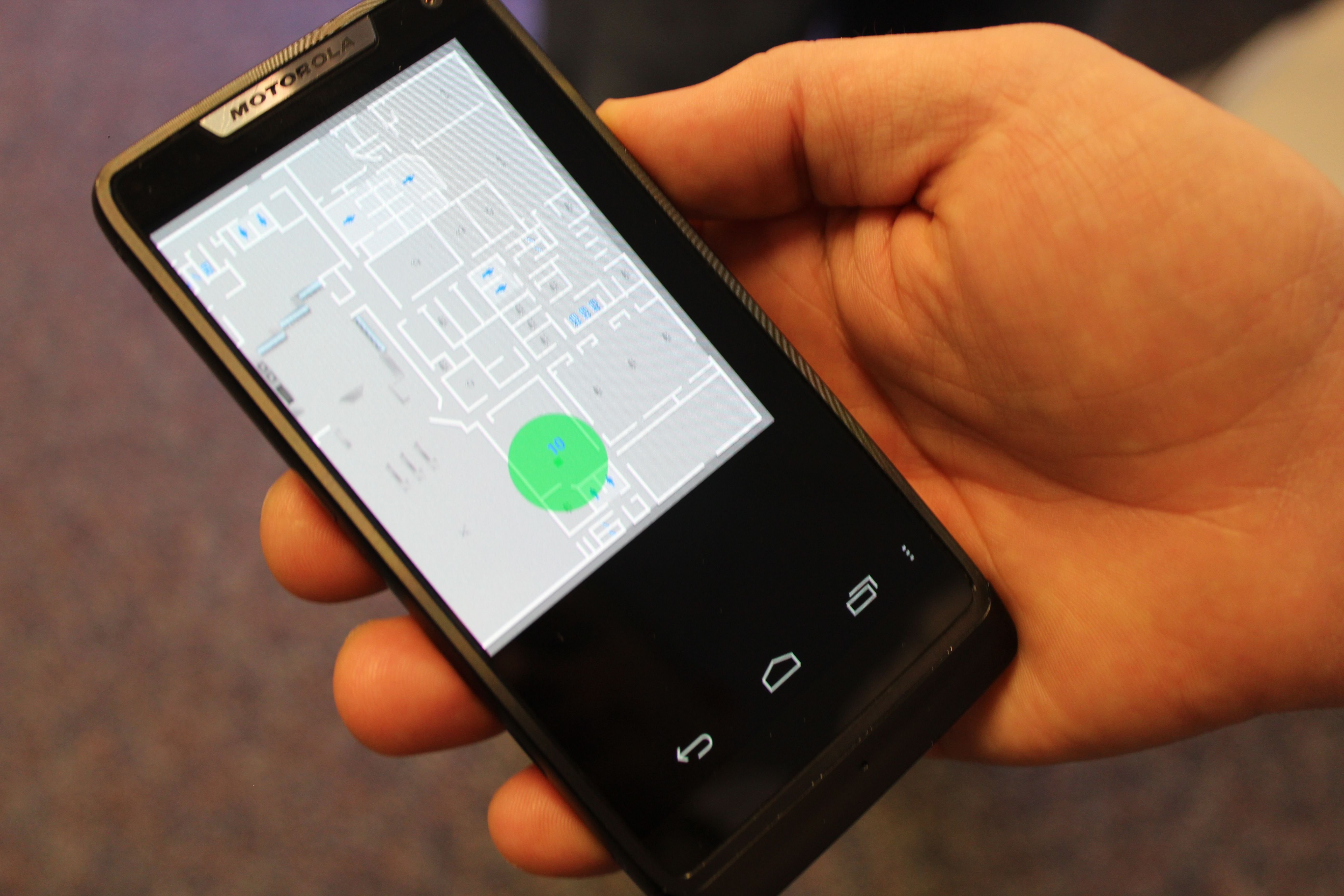
Indoor Positioning Systems (IPS) are a diverse suite of technologies designed to pinpoint location within environments where Global Navigation Satellite Systems (GNSS) like GPS are ineffective, such as inside buildings, underground, or in dense urban canyons. These systems leverage a variety of signals and infrastructure, from Wi-Fi and Bluetooth beacons to radio frequency identification (RFID), ultra-wideband (UWB), and even visible light. IPS are critical for applications ranging from asset tracking in warehouses and navigation in large venues to emergency response and augmented reality experiences. The market is rapidly expanding, driven by the proliferation of smartphones and the increasing demand for location-aware services indoors, creating a complex ecosystem of competing standards and proprietary solutions.
🎵 Origins & History
The quest for indoor navigation predates modern digital systems, with early attempts involving triangulation using radio signals and even manual mapping. However, the modern era of Indoor Positioning Systems truly began to coalesce with the widespread adoption of wireless networking technologies. Early commercial deployments often relied on proprietary RFID systems for asset tracking in controlled environments, but the vision of ubiquitous indoor positioning for consumers and businesses began to take shape with the advent of the smartphone.
⚙️ How It Works
IPS operate by triangulating or trilaterating a device's position based on signals from known anchor points or by analyzing the device's own sensor data. Technologies like Wi-Fi Positioning measure signal strength (RSSI) from multiple access points to estimate location. Bluetooth Low Energy (BLE) beacons broadcast unique IDs that smartphones detect, allowing for proximity-based positioning or zone identification. Ultra-Wideband (UWB) offers high precision by measuring the time of flight of short radio pulses between anchors and a tag. Other methods include RFID for short-range identification, Visible Light Communication (VLC) which uses modulated LED lights, and inertial measurement units (IMUs) within smartphones that track movement between known points. Some systems also employ magnetic field mapping or acoustic signals to augment positioning data.
📊 Key Facts & Numbers
The global indoor positioning market was valued at approximately $7.5 billion in 2023 and is projected to reach over $30 billion by 2030, exhibiting a compound annual growth rate (CAGR) of around 20%. Wi-Fi-based systems account for a significant portion of current deployments, with over 90% of smartphones equipped with Wi-Fi capabilities. Bluetooth Low Energy (BLE) beacons are deployed in millions of locations worldwide, with estimates suggesting over 500 million BLE-enabled devices were in use by 2022. Ultra-Wideband (UWB) technology, while newer to mass consumer devices, is seeing rapid adoption, with Apple's inclusion in the iPhone 11 and subsequent models driving its growth. Accuracy levels vary widely, from 1-5 meters for Wi-Fi and Bluetooth to sub-meter and even centimeter-level accuracy with UWB and specialized systems.
👥 Key People & Organizations
Key players in the IPS ecosystem span a wide spectrum. Google and Apple are dominant forces through their mobile operating systems and mapping platforms, integrating IPS capabilities into billions of devices. Companies like Kontakt.io, Quuppa, and Zebra Technologies are major providers of hardware (beacons, anchors) and software platforms for enterprise-grade IPS. Siemens and Bosch are investing heavily in industrial IoT applications, including indoor navigation for smart factories. Research institutions such as the MIT Media Lab have also been instrumental in pioneering new IPS techniques. The Bluetooth SIG and the Wi-Fi Alliance are crucial standardization bodies that influence the interoperability and development of these technologies.
🌍 Cultural Impact & Influence
IPS are subtly reshaping our interaction with physical spaces, moving beyond simple navigation to create more intelligent and responsive environments. In retail, IPS enable personalized promotions and analytics, transforming the shopping experience. For large public venues like Disneyland or Wembley Stadium, they offer wayfinding and enhance crowd management. The integration of IPS into augmented reality applications, such as ARKit and ARCore, allows for immersive digital overlays onto the physical world, impacting gaming, education, and design. Furthermore, the ability to precisely track assets and personnel in industrial settings is driving efficiency and safety improvements across sectors like logistics and manufacturing, fundamentally altering operational paradigms.
⚡ Current State & Latest Developments
The IPS landscape is in constant flux, with rapid advancements in sensor fusion and AI-driven algorithms. Ultra-Wideband (UWB) is emerging as a leading contender for high-precision applications, with increasing integration into smartphones and wearables. The development of standardized protocols for interoperability between different IPS technologies is a major focus, aiming to reduce fragmentation. Furthermore, the rise of digital twins and the metaverse is creating new demands for accurate indoor spatial data. Companies are exploring hybrid approaches that combine multiple IPS technologies to achieve greater robustness and accuracy, especially in challenging environments. The recent focus on privacy-preserving location technologies is also shaping the development of new IPS solutions.
🤔 Controversies & Debates
The primary controversy surrounding IPS revolves around privacy. The ability to track individuals' movements within buildings raises significant concerns about surveillance and data misuse. Companies collecting this data face scrutiny over how it is stored, anonymized, and utilized. Another debate centers on the fragmentation of the market, with numerous proprietary solutions and competing standards making widespread interoperability a challenge. The accuracy claims of various systems are also subject to debate, as real-world performance can vary significantly based on environmental factors and installation quality. Ethical considerations regarding the potential for discriminatory use of location data, particularly in employment or access control scenarios, are also prominent.
🔮 Future Outlook & Predictions
The future of IPS is likely to be characterized by greater integration, intelligence, and ubiquity. We can expect seamless handoffs between indoor and outdoor positioning systems, creating a truly continuous location experience. AI and machine learning will play an increasingly vital role in interpreting sensor data, predicting user intent, and optimizing navigation. The development of 'ambient intelligence' environments, where spaces automatically adapt to occupants' presence and needs based on their location, is a significant long-term goal. Furthermore, the convergence of IPS with 5G and beyond will unlock new possibilities for real-time, high-bandwidth location-aware applications, potentially leading to advancements in autonomous systems and robotic navigation within complex indoor environments. The push for standardization will continue, aiming to create a more unified and accessible IPS ecosystem.
💡 Practical Applications
Indoor Positioning Systems have a vast array of practical applications across numerous sectors. In healthcare, they enable real-time tracking of medical equipment and patients within hospitals, improving efficiency and response times during emergencies. Warehouses and logistics centers use IPS for precise asset tracking, inventory management, and optimizing pick-and-pack routes. Retailers employ them for in-store navigation, personalized marketing, and foot traffic analysis. Airports and train stations use IPS for passenger wayfinding and guiding them to gates or platforms. In industrial settings, they are crucial for safety monitoring, tracking personnel in hazardous areas, and managing complex machinery. Museums and galleries can use IPS to provide interactive exhibits and personalized tours.
Key Facts
- Category
- technology
- Type
- topic