
Contents
Overview
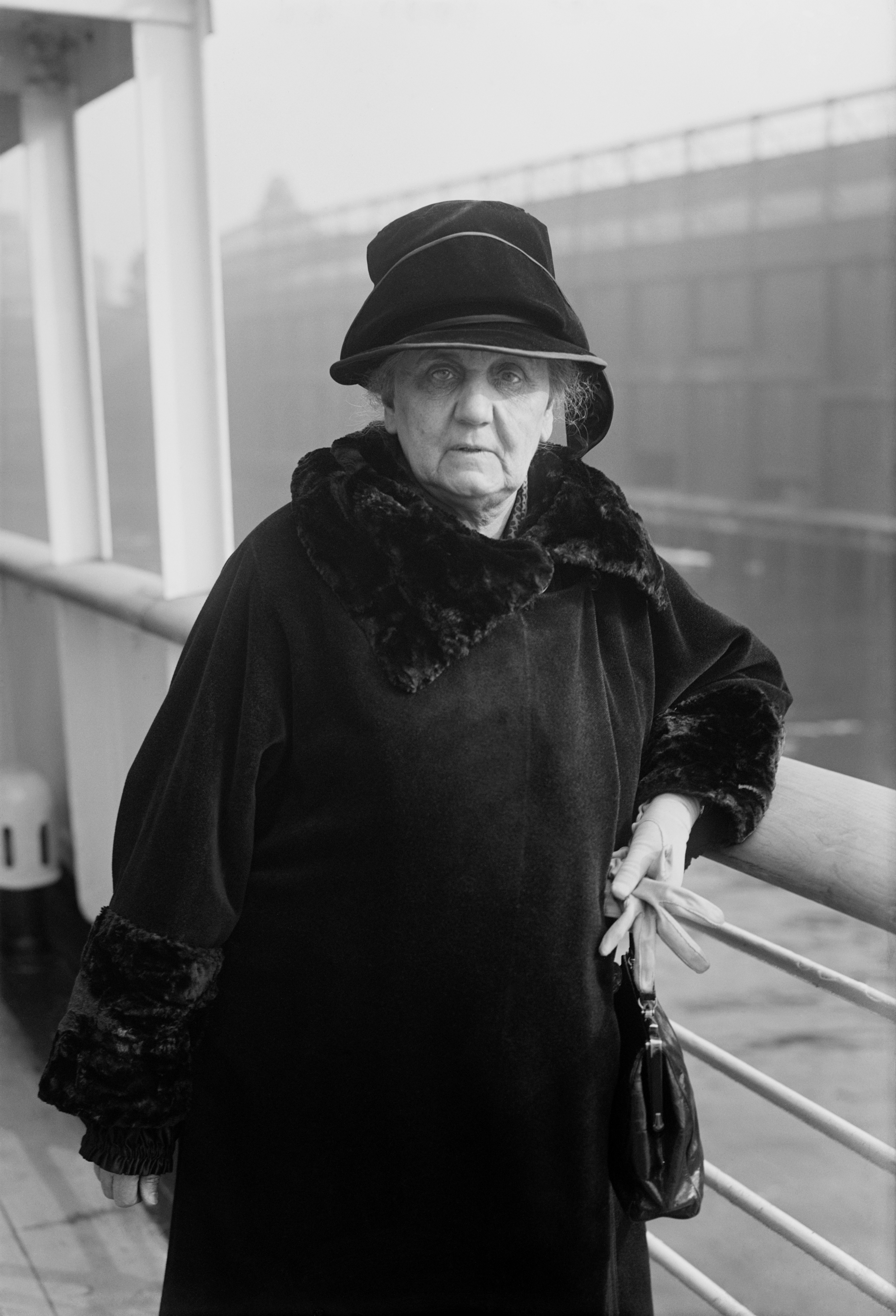
Born in Cedarville, Illinois, on September 6, 1860, Jane Addams hailed from a prosperous family, her father, John H. Addams, a prominent businessman and state senator. Despite societal expectations for women of her class, Addams harbored intellectual ambitions, attending the Rockford Female Seminary (now Rockford University), where she developed a passion for literature and social justice. Following her father's death in 1881, she inherited a substantial fortune, which, rather than leading to a life of leisure, provided the financial independence to pursue her reformist ideals. Her travels through Europe in the late 1880s exposed her to the burgeoning settlement house movement in London, most notably Toynbee Hall, which directly inspired her to establish a similar institution in Chicago. This foundational experience, coupled with her deep empathy for the urban poor, set the stage for her life's work.
⚙️ How It Works
Hull House, co-founded with Ellen Gates Starr in 1889, operated on the principle of "neighboring" – educated residents living within the community to offer services and foster mutual understanding. It provided a wide array of programs, including a kindergarten, a nursery, an art gallery, a gymnasium, a public bath, and vocational training classes for immigrants and the working poor. Beyond direct services, Hull House served as a hub for social research and advocacy, meticulously documenting the conditions of Chicago's West Side. The institution became a laboratory for social reform, influencing public policy on issues ranging from child labor laws to public sanitation. Its success demonstrated the efficacy of community-based interventions and the power of an educated, engaged citizenry to address systemic social problems.
📊 Key Facts & Numbers
Addams's influence was immense, impacting an estimated 2,000 people weekly at Hull House at its peak. By 1910, Hull House had expanded to 13 buildings, employing over 100 staff members and attracting thousands of volunteers annually. Her seminal book, "Twenty Years at Hull-House" (1910), sold over 10,000 copies in its first year alone, reaching a broad audience with her vision for social change. Addams was a prolific writer, publishing more than 1,000 articles and essays throughout her career. Her advocacy for peace led to her being nominated for the Nobel Peace Prize multiple times before finally winning it in 1931, an award valued at approximately $16,000 at the time. Her work directly contributed to the establishment of child labor laws and improved working conditions across the United States.
👥 Key People & Organizations
Beyond her lifelong partner Mary Rozet Smith, who provided crucial financial and emotional support, Jane Addams collaborated with numerous influential figures. Ellen Gates Starr, her co-founder at Hull House, was instrumental in establishing its art and craft programs. Addams was also a contemporary and peer of other Progressive Era reformers like John Dewey, with whom she shared intellectual ground on pragmatism and education, and Florence Kelley, a fierce advocate for labor rights who worked closely with Addams on legislative reform. Her activism extended to national organizations such as the National Woman Suffrage Association and the American Union Against Militarism. The University of Chicago became a key academic partner, with many of its sociologists conducting research at Hull House.
🌍 Cultural Impact & Influence
Jane Addams fundamentally reshaped the American social landscape, establishing the settlement house as a vital model for community development and social service delivery. Her work at Hull House provided a blueprint for similar institutions across the nation and internationally, influencing urban planning and public health initiatives. As a leading suffragist, she championed women's right to vote, arguing that women's participation was essential for achieving social justice and peace. Her philosophical writings, particularly her articulation of "public philosophy," laid groundwork for feminist philosophy and the concept of the "social self." The Nobel Peace Prize cemented her global stature, making her a symbol of American progressivism and a powerful voice for international cooperation, influencing generations of activists and policymakers.
⚡ Current State & Latest Developments
In the contemporary era, the principles championed by Jane Addams continue to resonate. The Hull House Association, though it underwent significant restructuring and divestment in the late 20th century, still exists as a provider of social services in the Chicago area, albeit in a different form. Addams's legacy is actively debated and reinterpreted by scholars and activists. Her critique of militarism and her advocacy for peace remain highly relevant in discussions surrounding global conflict and diplomacy. Furthermore, the ongoing challenges of poverty, immigration, and social inequality in urban centers worldwide highlight the enduring need for the kind of community-based, human-centered approach that defined her life's work. Contemporary social justice movements often draw inspiration from her holistic vision of social reform.
🤔 Controversies & Debates
Addams's pacifism, particularly her staunch opposition to World War I, drew significant criticism and even led to the temporary revocation of her U.S. passport. Some contemporaries accused her of being unpatriotic and naive for advocating peace during wartime. Her close relationship with Mary Rozet Smith has also been a subject of historical discussion, with some scholars interpreting their bond as a romantic partnership, a perspective that challenges traditional narratives of her personal life. Furthermore, debates persist regarding the extent to which the settlement house model, while providing essential services, could inadvertently reinforce existing power structures or create dependency. The legacy of Hull House itself is complex, with its eventual dissolution reflecting broader shifts in social welfare policy and funding.
🔮 Future Outlook & Predictions
The future of Jane Addams's legacy lies in its continued application to persistent social issues. As global challenges like climate change, mass displacement, and economic disparity intensify, her emphasis on community resilience, intergroup dialogue, and systemic reform offers a crucial framework. Scholars are increasingly examining her work through intersectional lenses, exploring how her ideas might inform contemporary struggles for racial justice and LGBTQ+ rights, areas where her direct engagement was more limited but her underlying principles of human dignity and social equity remain potent. The ongoing evolution of social work and community organizing will undoubtedly continue to grapple with and build upon the foundational principles she established, potentially leading to new models of social intervention and advocacy.
💡 Practical Applications
The practical applications of Jane Addams's work are vast and enduring. Hull House pioneered numerous social programs that became standard practice, including the establishment of playgrounds, public kindergartens, and community centers. Her research methods at Hull House informed the development of urban sociology and community-based participatory research, providing models for understanding and addressing the needs of marginalized populations. Her advocacy for labor rights contributed to the passage of legislation regulating working hours and conditions, particularly for women and children. The concept of "social casework," which emphasizes understanding individual circumstances within their social context, owes a significant debt to her approach. Her writings on peace and international relations continue to inform peace studies and diplomatic efforts.
Key Facts
- Category
- movements
- Type
- topic