
Contents
Overview
The origins of Japanese cooking are as ancient as the islands themselves, with early influences arriving from mainland Asia. The Yayoi period (c. 300 BCE – 300 CE) saw the introduction of rice cultivation and basic fermentation techniques, laying the groundwork for future culinary developments. During the Nara (710–794) and Heian (794–1185) periods, Chinese culinary practices, including the use of chopsticks and soy sauce, became more integrated, particularly within the imperial court and Buddhist monasteries. The isolationist policies of the Edo period (1603–1868) fostered a unique culinary identity, leading to the refinement of techniques and the popularization of dishes like sushi and tempura. The Meiji Restoration in 1868 opened Japan to Western influences, introducing new ingredients and cooking styles, such as the adoption of meat consumption and the creation of Yoshoku (Western-style Japanese food).
⚙️ How It Works
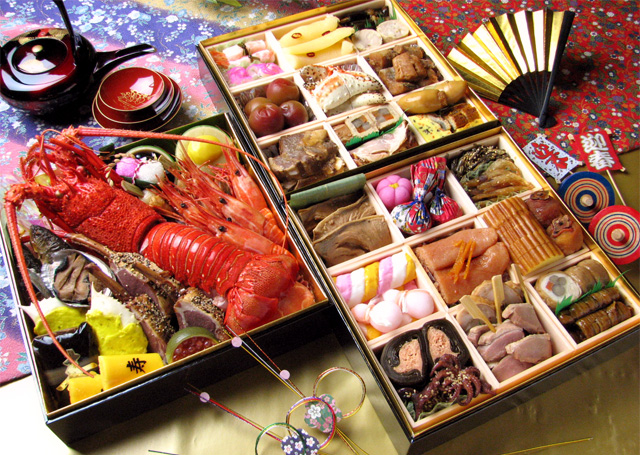
At its heart, Japanese cooking is governed by principles of seasonality (shun, 旬), balance, and umami. Ingredients are chosen at their peak freshness, reflecting the changing seasons, which dictates everything from the types of fish available to the vegetables used. The concept of 'go-mi, go-shoku, go-ho, go-gi, go-tsu' (five flavors, five colors, five methods, five senses, five attitudes) guides the preparation and presentation of meals, aiming for a harmonious sensory experience. Key cooking methods include grilling (yakimono), simmering (nimono), steaming (mushimono), deep-frying (agemono), and raw preparation (namamono, as in sashimi). The meticulous preparation of dashi, a fundamental broth made from kombu (kelp) and katsuobushi (dried bonito flakes), is crucial for imparting umami, the fifth taste, to countless dishes. Presentation is paramount, with dishes arranged to evoke natural beauty, often using specific tableware to complement the food.
📊 Key Facts & Numbers
Japan consumes a significant amount of rice annually, a cornerstone of its diet. Seafood accounts for a substantial portion of the Japanese diet. The global market for Japanese food products, including soy sauce, miso, and sake, is considerable. Sushi, perhaps the most internationally recognized Japanese dish, sees millions of servings consumed daily worldwide. Japan has a large number of restaurants, with a substantial number specializing in traditional washoku. The average lifespan in Japan is among the highest globally, often attributed in part to its healthy diet. There are many Michelin-starred restaurants in Japan, a testament to the country's high culinary standards.
👥 Key People & Organizations
While washoku is a collective tradition, certain individuals and organizations have been instrumental in its preservation and global dissemination. Chefs like Jiro Ono, the subject of the documentary Jiro Dreams of Sushi, exemplify the dedication to perfection in sushi making. The Japan Culinary Institute and various prefectural culinary associations play a vital role in training chefs and promoting regional specialties. Organizations such as the Washoku World Challenge actively promote Japanese cuisine internationally, fostering a new generation of global washoku ambassadors. Academics like Elizabeth and David Long-Greene have extensively documented and translated traditional Japanese cookbooks, making historical recipes accessible. The Japan Food Culture Promotion Organization (JFCPO) works to spread awareness of Japanese food culture abroad.
🌍 Cultural Impact & Influence
Japanese cooking's influence extends far beyond its borders, shaping global culinary trends and inspiring countless chefs. The emphasis on fresh, seasonal ingredients and minimalist presentation has been adopted by haute cuisine restaurants worldwide, influencing movements like farm-to-table and molecular gastronomy. The health benefits associated with a traditional Japanese diet, characterized by low fat and high intake of fish and vegetables, have contributed to its global popularity as a healthy eating choice, often associated with the Mediterranean diet in terms of longevity. The aesthetic principles of Japanese food presentation, known as moritsuke (盛り付け), have inspired visual arts and design. Furthermore, the global proliferation of Japanese restaurants, from high-end sushi bars to casual ramen shops, has introduced millions to its unique flavors and dining rituals, significantly impacting the global food service industry.
⚡ Current State & Latest Developments
In 2024 and 2025, Japanese cooking continues its global ascent, with a growing emphasis on sustainability and regional diversity. There's a rising interest in lesser-known regional cuisines, moving beyond the ubiquitous sushi and ramen to explore specialties from Hokkaido to Okinawa. The concept of 'mottainai' (もったいない), a sense of regret concerning waste, is increasingly influencing restaurant practices, leading to more nose-to-tail and root-to-stem cooking. Technological advancements are also impacting the industry, with AI-powered menu planning and advanced kitchen equipment enhancing efficiency. The global demand for authentic Japanese ingredients, such as yuzu, matcha, and high-quality soy sauce, continues to surge, driving innovation in food production and export. Efforts to train international chefs in authentic washoku techniques are expanding through online courses and exchange programs.
🤔 Controversies & Debates
One of the primary debates surrounding Japanese cooking revolves around authenticity versus adaptation. As dishes like sushi and ramen gain global popularity, questions arise about how much they can be altered before losing their essence. The commodification of certain Japanese dishes, particularly sushi, has led to concerns about overfishing and unsustainable practices, prompting discussions about ethical sourcing and aquaculture. Another point of contention is the perceived exclusivity of high-end washoku, with debates about accessibility and the cost of authentic ingredients and dining experiences. The influence of Yoshoku (Western-influenced Japanese food) also sparks discussion: is it a dilution of tradition or a natural evolution? The role of convenience foods and the impact of fast-food chains on traditional dining habits also present ongoing debates within Japan itself.
🔮 Future Outlook & Predictions
The future of Japanese cooking appears to be one of continued global integration and innovation, balanced with a deep respect for tradition. Expect a greater exploration of plant-based Japanese cuisine, aligning with global dietary shifts and the principles of 'shojin ryori' (Buddhist vegetarian cuisine). The fusion of Japanese techniques with other global cuisines will likely intensify, leading to novel culinary creations. There's also a growing movement to revive and promote ancient or forgotten regional dishes, ensuring their survival for future generations. As climate change impacts ingredient availability, expect increased focus on climate-resilient crops and sustainable seafood practices. The digital realm will play an even larger role, with virtual cooking classes, AI-driven recipe generation, and augmented reality dining experiences becoming more commonplace.
💡 Practical Applications
Japanese cooking offers a wealth of practical applications, from home kitchens to professional culinary environments. The principles of washoku, emphasizing balance, seasonality, and mindful eating, can be applied to everyday meal preparation, promoting healthier lifestyles. Techniques like precise knife skills for sashimi preparation, the art of dashi making, and the delicate folding of gyoza are valuable skills for aspiring chefs. The aesthetic principles of food presentation, known as moritsuke, can elevate any meal, turning simple dishes into works of art. Understanding the fermentation processes behind miso, soy sauce, and pickles opens doors to home-based food preservation. The global popularity of Japanese cuisine has created numerous career opportunities in restaurants, food tourism, and ingredient import/export.
Key Facts
- Category
- culture
- Type
- topic