
Contents
Overview
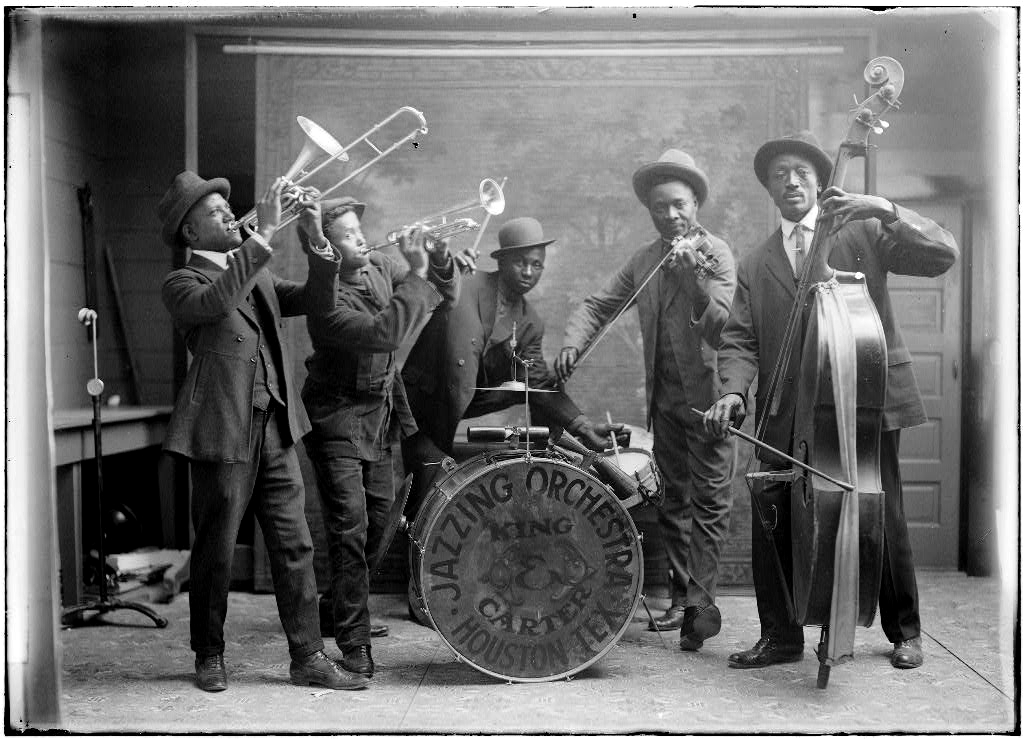
The genesis of the Jazz Age can be traced to the post-World War I era, a period of profound societal upheaval and a collective desire for change. Jazz music emerged from African American communities in New Orleans in the late 19th and early 20th centuries, drawing from blues, ragtime, and spirituals, and its widespread cultural dominance solidified in the 1920s. African Americans migrated from the rural South to urban centers like Chicago and New York City, carrying this vibrant musical form with them, where it found new audiences and evolved rapidly. Figures like Louis Armstrong and Duke Ellington were instrumental in shaping the sound and popularizing jazz beyond its origins, transforming it into a national phenomenon. The era officially began around 1920, coinciding with the start of Prohibition, which ironically fueled the rise of clandestine jazz clubs and speakeasies, further cementing jazz's association with rebellion and excitement.
⚙️ How It Works
Jazz Age culture wasn't just about the music; it was a multifaceted phenomenon encompassing new forms of dance, fashion, literature, and social attitudes. The music itself, characterized by improvisation, syncopation, and a distinctive rhythmic feel, provided the soundtrack for dances like the Charleston and the Lindy Hop, which were seen as energetic and even scandalous by older generations. Fashion reflected this newfound freedom, with women adopting shorter hemlines, bobbed hair, and a more boyish silhouette, epitomized by the flapper style. The literature of the era, often termed the Lost Generation, captured the disillusionment and hedonism of the time, with authors like F. Scott Fitzgerald famously coining the term "Jazz Age" in his novel of the same name. This cultural ecosystem thrived on a spirit of experimentation and a rejection of traditional Victorian values, creating a distinct, dynamic vibe.
📊 Key Facts & Numbers
The Jazz Age saw a dramatic surge in the consumption of music and entertainment. By 1927, an estimated 10 million phonograph records were sold annually in the United States, with jazz and dance music dominating sales. The advent of nationwide radio broadcasting in the early 1920s, with stations like WEAF in New York City reaching millions, exposed audiences to jazz on an unprecedented scale, transforming it from a regional sound to a national obsession. Attendance at live jazz performances in cities like Chicago and Harlem soared, with venues like the Cotton Club becoming legendary. The economic boom of the Roaring Twenties meant more disposable income for leisure activities, with an estimated $1.5 billion spent annually on entertainment by the mid-1920s, a significant portion of which flowed into jazz clubs and dance halls.
👥 Key People & Organizations
Key figures who defined the Jazz Age include musicians like Louis Armstrong, whose innovative trumpet playing and scat singing revolutionized jazz; Duke Ellington, a masterful composer and bandleader who elevated jazz to sophisticated artistic heights; and Bessie Smith, the "Empress of the Blues," whose powerful voice resonated with millions. Literary giants like F. Scott Fitzgerald, who chronicled the era's glamour and decay in works like "The Great Gatsby," and Langston Hughes, a central figure of the Harlem Renaissance, captured the spirit and social commentary of the time. Influential bandleaders like Paul Whiteman, who presented jazz in a more orchestrated, "symphonic" style, also played a significant role in its mainstream acceptance. Organizations like the National Association for the Advancement of Colored People (NAACP) worked to promote African American culture and rights during this period of artistic flourishing.
🌍 Cultural Impact & Influence
The cultural impact of the Jazz Age was seismic, extending far beyond music. It fundamentally altered American social norms, particularly regarding race and gender. Jazz, originating in Black communities, became a bridge, albeit a complex one, between white and Black cultures, influencing fashion, language, and social interaction. The liberated spirit of the flapper, with her bobbed hair and shorter skirts, symbolized a new era of female independence. The literary output of the era, from Ernest Hemingway's terse prose to Zora Neale Hurston's vibrant depictions of Black life, reflected the era's dynamism and anxieties. Jazz music's influence permeated Hollywood films, advertising, and even political discourse, becoming a symbol of modernity and American identity. The global spread of jazz, particularly to Europe, introduced new artistic sensibilities and influenced nascent jazz scenes in cities like Paris and Berlin.
⚡ Current State & Latest Developments
While the Jazz Age as a distinct cultural epoch largely concluded with the onset of the Great Depression in 1929 and the subsequent rise of the Swing Era in the 1930s, its legacy is far from dormant. Contemporary artists and musicians continue to draw inspiration from the harmonic innovations, improvisational spirit, and cultural rebellion of the Jazz Age. Modern jazz festivals, historical societies dedicated to preserving jazz history, and academic studies of the era's literature and social movements keep its memory alive. Furthermore, the cultural shifts it catalyzed—greater female autonomy, a more open dialogue about race, and the embrace of new technologies for mass communication—continue to resonate in 21st-century society. The enduring appeal of jazz music itself, with its constant evolution, ensures that the spirit of the Jazz Age remains a vibrant part of the global cultural landscape.
🤔 Controversies & Debates
The Jazz Age was not without its controversies. The music itself was often viewed with suspicion by older generations and conservative elements of society, who associated it with moral decay, illicit activities in speakeasies, and a perceived decline in traditional values. Critics often decried jazz as "primitive" or "noise," failing to recognize its complex musicality and improvisational genius. The racial dynamics were also a source of tension; while jazz provided a platform for Black artists, it was often appropriated and commercialized by white musicians and bandleaders, leading to debates about cultural ownership and exploitation. The association with Prohibition and organized crime further fueled moral panic surrounding jazz clubs and dance halls. The very liberation it represented for women and youth was seen by some as a dangerous departure from established social order.
🔮 Future Outlook & Predictions
The future outlook for Jazz Age culture lies in its continued reinterpretation and its foundational influence on subsequent artistic movements. While the specific sounds and styles of the 1920s may not dominate contemporary charts, the spirit of innovation, experimentation, and cultural defiance it embodied remains potent. We can anticipate ongoing academic and artistic exploration of the era's literature, music, and social history, potentially uncovering new insights into its complexities. Furthermore, the ongoing evolution of jazz itself, with artists like Kamasi Washington and Robert Glasper blending traditional elements with hip-hop and R&B, demonstrates the enduring vitality of the genre's roots in the Jazz Age. The cultural lessons of liberation, artistic freedom, and the power of music to drive social change will likely continue to inspire future generations.
💡 Practical Applications
The practical applications of Jazz Age culture are primarily found in its enduring influence on the arts and entertainment industries. Jazz music, in its various forms, continues to be performed, recorded, and studied worldwide, forming a cornerstone of music education and performance. The literary works of the Jazz Age, such as F. Scott Fitzgerald's "The Great Gatsby," are staples in literature curricula and continue to be adapted into films and stage productions. The fashion trends, particularly the flapper aesthetic, periodically resurface in contemporary design. More broadly, the era's embrace of new media like radio and phonograph records laid the groundwork for modern mass media and the entertainment industry as we know it today. The spirit of improvisation and creative freedom fostered during the Jazz Age remains a guiding principle for artists and innovators across disciplines.
Key Facts
- Category
- culture
- Type
- topic