
Contents
Overview
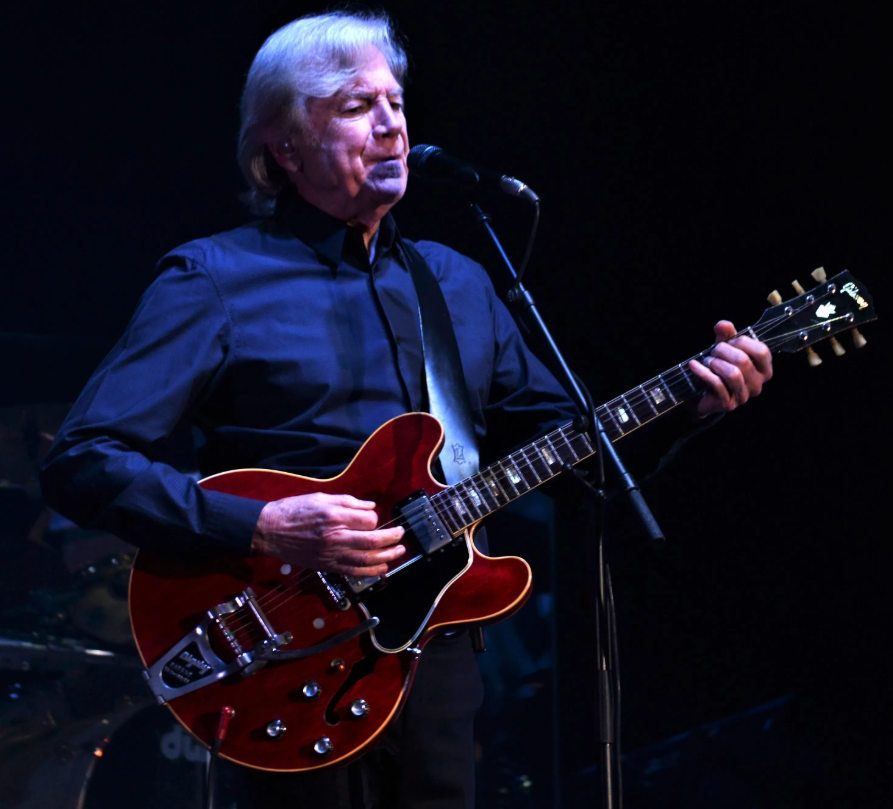
David Justin Hayward emerged from Swindon, England. He is celebrated as the principal vocalist and prolific songwriter for the iconic rock band the-moody-blues. His songwriting, characterized by poetic lyricism and melodic sophistication, defined the band's signature sound, blending rock with orchestral and psychedelic elements. With the passing of john-lodge in 2025, Hayward stands as the last surviving member of the classic Moody Blues lineup, a living conduit to a pivotal era of progressive and art rock. Beyond his work with the band, Hayward has maintained a notable solo career and collaborated on projects like the 1975 album "Blue Jays" with Lodge, further solidifying his legacy as a significant architect of 20th-century popular music.
🎵 Origins & History
David Justin Hayward emerged from Swindon, England. His early musical journey began with skiffle groups before he found his footing in the burgeoning beat scene of the early 1960s. A pivotal moment arrived in 1966 when he joined the-moody-blues, a band then seeking a new direction after their initial R&B-focused phase. Hayward's arrival, alongside bassist john-lodge, marked the beginning of the band's transformative shift towards a more experimental and introspective sound, laying the groundwork for their groundbreaking work on albums like "Days of Future Passed" (1967). This period saw the band coalesce around Hayward's burgeoning songwriting talent and distinctive vocal delivery, setting them apart from their contemporaries.
⚙️ Musical Style & Songwriting
Hayward's musical signature is deeply intertwined with his role as the primary architect of The Moody Blues' most recognizable sound. His songwriting often features intricate melodic structures, poetic and philosophical lyrics, and a keen sense of atmospheric arrangement, frequently incorporating orchestral elements and synthesizers. Tracks like "Nights in White Satin" exemplify this, weaving a narrative tapestry with a sweeping orchestral score and Hayward's emotive tenor. His guitar work, while often serving the song's broader texture, can range from delicate arpeggios to driving rock riffs, demonstrating a versatility that complemented the band's evolving sonic palette. This blend of accessible melody and ambitious composition became a hallmark of their success, influencing subsequent generations of progressive-rock and art-rock musicians.
📊 Key Facts & Numbers
Hayward is credited with writing 20 of The Moody Blues' 27 post-1967 singles, a staggering output that underscores his central role in the band's commercial and critical success. "Nights in White Satin", released in 1967, became a global phenomenon, eventually reaching number two on the Billboard Hot 100 in 1968 and number one in the UK in 1972, selling over two million copies worldwide. "Tuesday Afternoon" also charted significantly, peaking at number three in the US. The band sold over 70 million records globally. Hayward's solo album "Blue Jays", a collaboration with John Lodge, reached number five on the UK Albums Chart in 1975, with the single "Blue Guitar" (featuring 10cc as the backing band) hitting the UK top ten.
👥 Key People & Organizations
Central to Justin Hayward's career is his enduring partnership within the-moody-blues, particularly with bassist john-lodge. Their creative synergy, especially during the band's classic era from the late 1960s to the mid-1970s, was instrumental in shaping the band's sound and lyrical themes. Other key figures include producer tony-clarke, who worked on many of the band's seminal albums, and the instrumentalists who brought Hayward's compositions to life, such as ray-thomas and graeme-edge. Hayward's solo work has also seen collaborations with notable musicians, including eric-clapton and members of 10cc, further embedding him within the broader music industry ecosystem.
🌍 Cultural Impact & Influence
The influence of Justin Hayward's work with The Moody Blues resonates deeply within popular music. "Nights in White Satin" remains a cultural touchstone, frequently appearing on "greatest songs of all time" lists and utilized in films and television to evoke a sense of grandeur and introspection. The band's pioneering use of orchestral arrangements and synthesizers within a rock context paved the way for progressive-rock and art-rock movements, impacting artists from electric-light-orchestra to pink-floyd. Hayward's lyrical themes of love, loss, and existential reflection have provided a soundtrack for multiple generations, cementing his status as a significant voice in 20th-century songwriting.
⚡ Current State & Latest Developments
As of 2024, Justin Hayward continues to tour and perform his extensive catalog of songs, both solo and occasionally with other former members of The Moody Blues. His recent solo album, "The Butterfly God", released in 2023, showcases his continued artistic vitality and exploration of new musical ideas. While The Moody Blues officially disbanded in 2018 following ray-thomas's death and john-lodge's departure, Hayward remains an active presence in the music world, performing concerts that draw significant crowds eager to experience his classic hits live. He also occasionally engages with fans through online platforms and interviews, reflecting on his storied career.
🤔 Controversies & Debates
The legacy of Justin Hayward and The Moody Blues is not without its points of contention. Debates often arise regarding the band's classification, with some critics placing them firmly in the progressive-rock camp while others argue their more accessible melodies and lyrical themes align them closer to psychedelic-rock or even art-pop. The commercial success of "Nights in White Satin" has sometimes overshadowed the depth and breadth of the band's other work, leading to discussions about which aspects of their discography are most artistically significant. Furthermore, the band's decision to disband in 2018, after decades of touring, sparked discussions among fans about the future of their music and the potential for reunion tours, which ultimately did not materialize.
🔮 Future Outlook & Predictions
Looking ahead, Justin Hayward's future appears to be one of continued artistic expression and performance. His recent solo work suggests an ongoing commitment to creating new music, potentially exploring further collaborations or thematic concepts. The enduring popularity of The Moody Blues' catalog ensures that Hayward will remain a sought-after performer for years to come, with his classic songs continuing to find new audiences. Discussions about potential posthumous releases of unreleased material or archival concert recordings may also emerge, further preserving and expanding his musical legacy. The possibility of further solo albums or curated retrospectives remains high, driven by sustained fan interest.
💡 Solo Career & Collaborations
Beyond his monumental work with the-moody-blues, Justin Hayward has cultivated a rich solo career and engaged in notable collaborations. His 1975 album "Blue Jays", co-written and performed with john-lodge, offered a glimpse into their individual songwriting prowess outside the band's collective framework. The single "Blue Guitar" from this period, recorded with the acclaimed band 10cc, showcased his ability to adapt his sound to different musical contexts. Hayward's solo albums, including "Nightflight" (1980) and "The View from the Hill" (1996), have explored diverse musical territories, often featuring lush arrangements and introspective lyrical themes. His 2009 album "Always" and the more recent "The Butterfly God" (2023) demonstrate a continued evolution of his artistic voice, solidifying his status as a versatile and prolific artist.
Key Facts
- Category
- culture
- Type
- person